573 Million Dollars Spent in Texas Senate Race as Lead Narrows to Two Points
A new poll shows Ken Paxton leading James Talarico by 49 percent to 47 percent, capping a record-breaking campaign in a state that voted heavily Republican in the 2024 presidential election.
By Rebecca Svoboda ·
The race for the US Senate seat in Texas has narrowed to a two-point margin, with $573 million already spent on the contest. A poll released by Texas Southern University on Monday shows state attorney general Ken Paxton leading progressive state congressman James Talarico by 49 percent to 47 percent. The figures mark a contraction from earlier leads of up to six points, signaling a closer finish than initially predicted by many analysts.
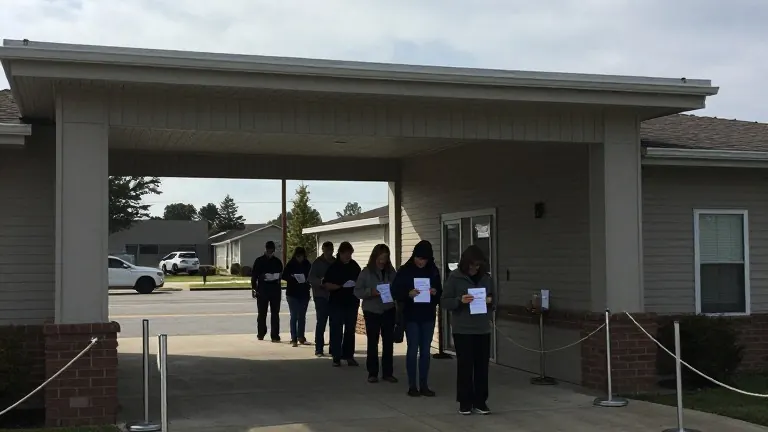
The election is poised to become the most expensive non-presidential political race in US history. Ad Impact data confirms the $573 million total, which has fueled an intense television advertising blitz. The campaigns are vying for voters across the state's vast geography, targeting both urban Democratic strongholds and the rural Republican base in central and west Texas. Early voting has already seen 7.8 million Texans cast their ballots, a high volume that reflects the intense competition for the seat.
The candidates have defined the contest through sharp contrasts in ideology and style. Paxton, a conservative incumbent challenger, frames the race as a defense of traditional values against radical change. At a rally in Cullen Yards on Saturday, he described Talarico as the most radical Democrat to run for state office in Texas. He accused the congressman of planning to tax tips, overtime, and Social Security, comparing Talarico to New York Mayor Zohran Mamdani and Rep. Alexandria Ocasio-Cortez.
Talarico counters by portraying Paxton as the most corrupt politician in Texas history. The Democrat, a Presbyterian seminarian and skilled fundraiser, has leveraged the financial backing of Elon Musk to frame the election as a battle against establishment forces. Musk, a part-time Texas resident and Trump ally, has spent $168 million supporting Paxton while frequently attacking Talarico on his social media platform. Talarico described his opponents as Goliaths, citing billionaire donors and corporate special interests.
Supporters of both sides remain entrenched in their views. Kim Carter, a Paxton supporter, dismissed Talarico's attacks as mudslinging and characterized a Talarico victory as death to Texas. She cited Paxton's proven track record as a key advantage, despite his personal history including impeachment charges over bribery and infidelity allegations. Carter argued that the Democratic Party is spending hundreds of millions to elevate a candidate who lacks substance and reality.
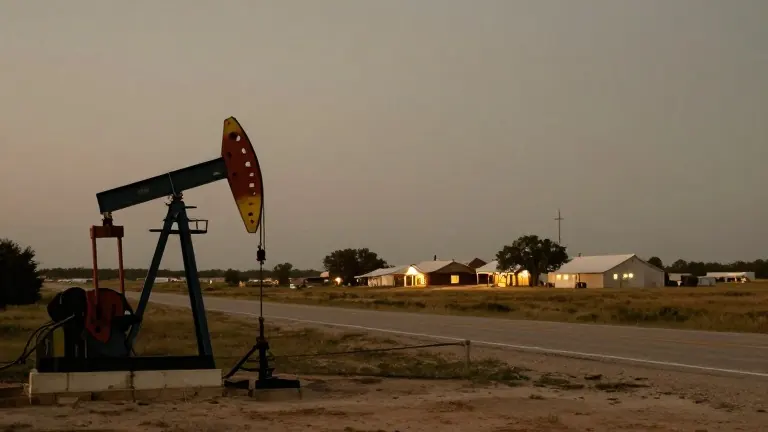
The political landscape in rural Texas remains firmly red. Archer County, home to the small town of Archer City, has voted Republican in every major election in recent decades. In 2016, 88 percent of votes went to Donald Trump. That figure rose to 89.5 percent in 2020 and reached 90 percent in 2024. Local residents in the area often view the Democratic platform as contrary to the identity of the region, a sentiment that has held steady despite the intense national attention on the state's politics.
The Talarico campaign acknowledged on the weekend that its internal polling may not fully capture the voting intentions of traditional Texan Republicans who support Trump. This uncertainty adds complexity to the final days of the campaign. General election voting is scheduled for November 3, with results expected to determine control of the US Senate for the next two years. The outcome will depend on whether the current polling margin holds or shifts as undecided voters finalize their choices.
The high cost of the race has drawn scrutiny from observers across the political spectrum. The $573 million figure dwarfs previous records for non-presidential offices. As the clock ticks down, both campaigns continue to deploy resources to influence the remaining voters. The result will likely hinge on turnout in key suburban counties and the rural interior, where the political leanings have remained consistent for years.
Source: The Irish Times