AI Buildout Hits a Snag as Google and Microsoft Hold Back on Spending Forecasts
Microsoft trimmed and Alphabet held its capital spending guidance in third-quarter reports, raising fresh questions about delays at third-party computing providers.
By News Media House Staff ·
For several quarters, the earnings reports of the biggest cloud companies have featured steadily rising capital spending forecasts as they race to build artificial intelligence infrastructure. In reports released Wednesday, Microsoft and Alphabet told a somewhat different story.
Both companies posted capital expenditure figures that fell short of analyst estimates. Microsoft lowered its forecast for the year to $170 billion from $175 billion, while Alphabet kept its guidance at $195 billion to $205 billion.
The figures do not point to a slowdown, but they add another possible worry for the AI buildout. Shares of the so-called neoclouds CoreWeave, Nebius and IREN fell after the reports, as did Oracle, one of the largest spenders on AI infrastructure.
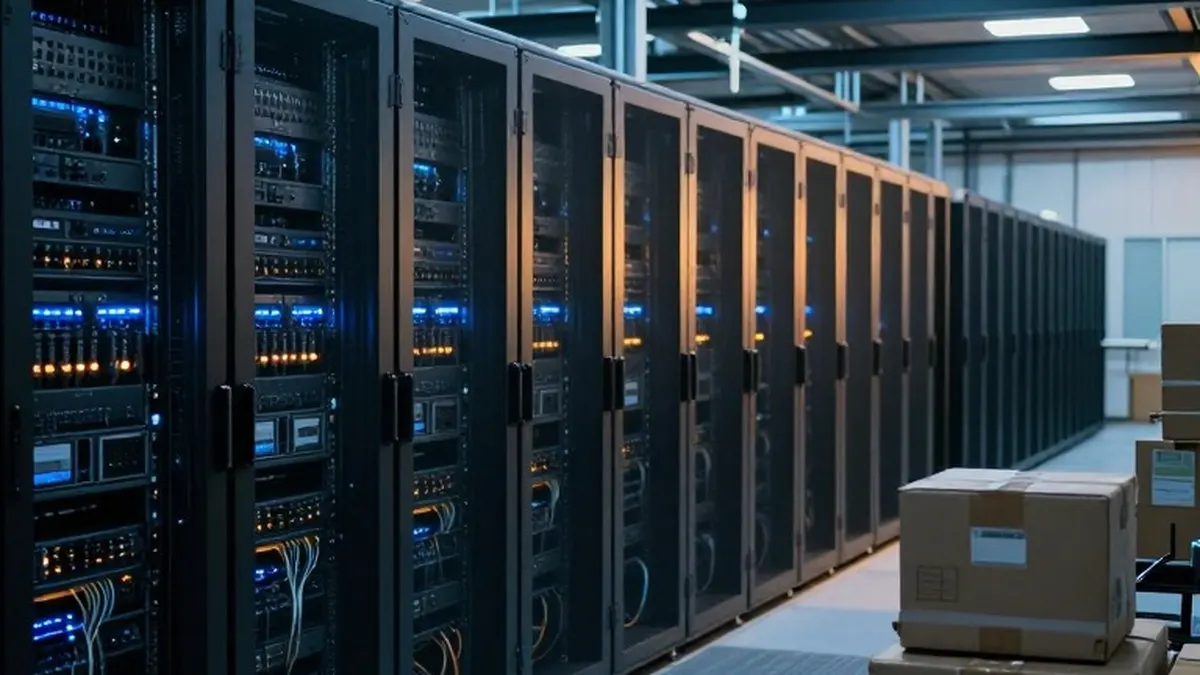
Microsoft finance chief Amy Hood said on the earnings call that third-party providers of graphics processing units had run into delays, pushing some available capacity out to the first half of 2027. She did not name the providers, though Microsoft relies on CoreWeave, IREN and Nebius, among others. Alphabet finance chief Anat Ashkenazi told analysts that outside computing power "came online only at the very end of Q3."
Alphabet shares dropped about 10% in extended trading after the company missed on earnings and revenue and reported negative free cash flow of more than $9 billion. Some shareholders remained supportive. Chris Ballard of Check Capital Management wrote that his firm trusts "management's approach to their AI spending." Meta also saw its shares sink last week after reporting negative free cash flow, though it raised the bottom of its full-year capex range to $135 billion to $145 billion from $130 billion. Amazon is due to report after the close Thursday.
The delays matter more now because Anthropic is preparing to go public. The company relies on Amazon, Google and Microsoft for much of its computing needs, along with capacity from SpaceX, Lambda and Nscale. Nscale filed to go public in September but has not updated its prospectus in weeks. Anthropic's Claude assistant has at times been unavailable this year because of rising demand, and OpenAI, which has said a 2027 initial public offering is likely, also constantly needs more capacity.
Financing is another challenge. Neoclouds need billions of dollars in outside capital but lack investment-grade credit ratings, and with interest rates rising and worries about debt loads growing, lenders are pulling back. Analysts at Gartner told CNBC last week they expect 80% of neocloud companies to be absorbed or shut down by 2030. Australia's Nvidia-backed Firmus withdrew its plans to go public earlier this month, despite large usage commitments from Meta and OpenAI.
None of this suggests the buildout is ending. Hood said she expects capital spending to accelerate in the first half of 2027 because of higher component costs and delayed deliveries. Combined hyperscaler capex is projected to top $1 trillion next year, and some estimates see it rising further.
Investors still welcomed Microsoft's results, which beat earnings and revenue estimates on 48% sales growth in its Azure cloud business. Cantor analysts led by Thomas Blakey called the quarter "further validation of Microsoft's AI-led growth opportunity" and raised their one-year price target to $630 from $608.
Originally published by News Media House · Source: CNBC
More News · National news · Report a business · Got a Story?