Cocoa Costs Drive Record Halloween Spending
Shoppers face 18% price hikes for candy as supply chain delays and tariffs keep retail prices elevated despite falling raw material costs.
By Rebecca Svoboda ·
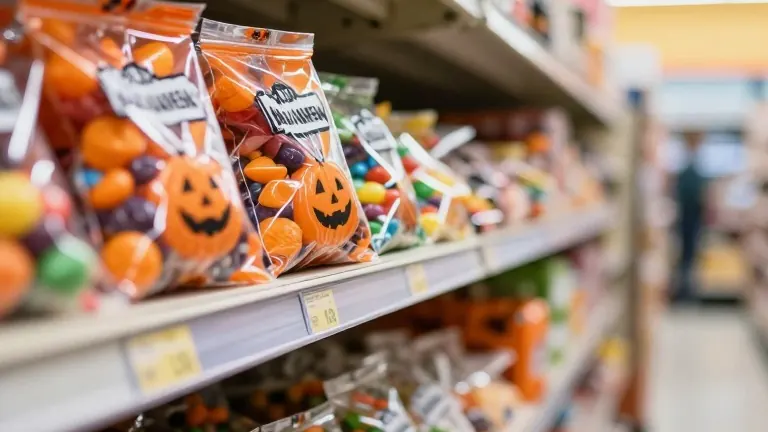
Halloween shoppers are facing record-high costs for candy this year. The National Retail Federation estimates total consumer spending on the holiday will reach $13.5 billion. That figure represents a 3% increase from last year and translates to an average of $115 per person.
Federal data shows that prices for candy and gum have risen by 7.7% over the past year. Over a two-year span, the increase exceeds 18%, outpacing the average rate of food inflation. Chocolate accounts for a large portion of this price surge. Drought and heavy rains in West Africa reduced cocoa harvests in recent seasons, driving up global prices for the raw ingredient.
David Branch, sector manager with the Wells Fargo Agri-Food Institute, explained that the candy currently on store shelves was produced using cocoa purchased in 2025. He noted that global cocoa production is rebounding, but that recovery does not immediately lower prices for consumers this weekend. The lag in production means retailers are still selling stock made with expensive ingredients.
Manufacturers face additional cost pressures beyond cocoa. David Branch identified higher sugar prices, increased fuel costs linked to the war in Iran, and expensive imports subject to U.S. tariffs as key factors. Enna Grazier, owner of Enna Chocolate in New Hampshire, reported a 50% tariff on holiday packaging and ingredients from Canadian suppliers. She said the tariffs disrupted her planning and forced her to alter packaging strategies for the season.
Candy makers are responding by shifting product lines away from chocolate. Companies are increasing output of gummy and sour candies and launching items with white creme coatings. Examples include KitKat’s marshmallow-flavored Witch’s Brew and Reese’s White Ghosts. These products avoid the most expensive cocoa components while targeting consumer demand for variety.
Market research firm Circana reports that chocolate candy sales in U.S. supermarkets have increased for several consecutive years. However, the data indicates that shoppers are purchasing smaller quantities of chocolate candy over the same period. This trend suggests that consumers are paying higher unit prices while reducing the volume of chocolate they buy.
Source: WOSU-FM
More Business · Consumer Watch · Report a business · Got a Story?