Harlem museum opens to fill gap in Northern civil rights history
The Urban Civil Rights Museum in Harlem will open this weekend, featuring nearly 12,000 square feet of exhibits on the Northern civil rights movement.
By Rebecca Svoboda ·
The National Urban League is opening a new museum in Harlem this weekend to document the civil rights movement in the northern United States. The facility, located in the organization’s Manhattan headquarters, is the first of its kind in New York City.
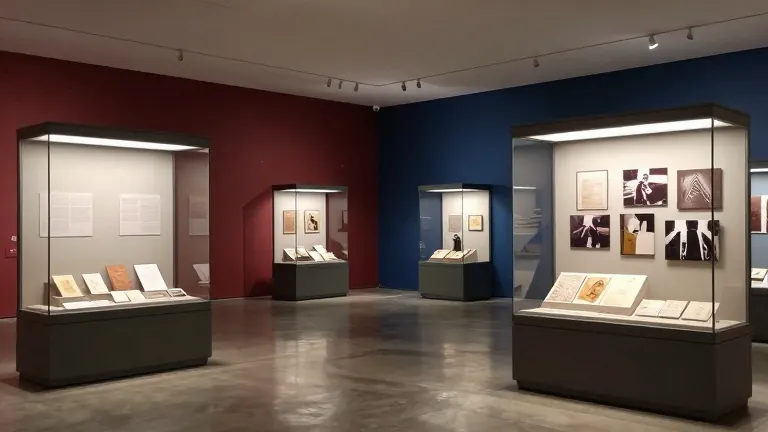
The Urban Civil Rights Museum in Harlem occupies nearly 12,000 square feet of permanent and rotating galleries. The inaugural exhibits cover the trans-Atlantic Slave Trade, the Great Migration, and the modern civil rights movement. Multimedia installations include audio recordings of speeches and oral histories from local residents.
Jennifer Scott, the museum’s founding executive director and chief curator, stated that the goal is to make visitors feel like key participants in history. She described the collection as a diasporic representation designed to help people see themselves in the narrative. Scott noted that the curation process prioritized immersion through both media and the specific stories chosen for display.
Marc Morial, president and CEO of the Urban League, emphasized the strategic placement of the museum near landmarks such as the Apollo Theater and The Schomburg Center for Research in Black Culture. He stated that naming the facility with a specific reference to Harlem anchors the institution to a specific geographic and cultural location.
Organizers assert that while dozens of civil rights museums exist across the country, most are located in Southern states. They contend that a premier institution dedicated to the Northern civil rights struggle has not previously existed. The new museum aims to correct this regional imbalance in historical documentation.
The museum’s narrative includes accounts that have faced scrutiny in recent years. Last year, the Trump administration ordered a review of federal museums, urging them to focus on American achievements rather than what it called divisive or race-centered ideologies. Martha Biondi, a history professor at Northwestern University, supported the preservation of these stories, stating that a true multiracial democracy requires telling the true history without sanitization.
Morial and Scott acknowledged that the history of institutionalized racism in the North has often been overshadowed by stories from the Deep South. They intend to continue evolving the exhibitions to include diverse perspectives from those who allied with African Americans in the region. The museum will hold a grand opening ceremony on Saturday with invited elected officials and community members.
The institution plans to use feedback walls to allow guests to share personal experiences related to protests and banned literature. Scott described the current collection as just scratching the surface of local stories. Morial stated that the museum is not static and that the organization is just getting started in its mission to preserve and present urban civil rights history.