House Passes $886 Billion Defense Bill on Near-Party-Line Vote as Culture Fights Take Center Stage
The annual National Defense Authorization Act, long a bipartisan measure, narrowly cleared the Republican-led House after conservatives attached provisions on diversity programs, transgender care and abortion travel.
By Juan Gonzalez ·
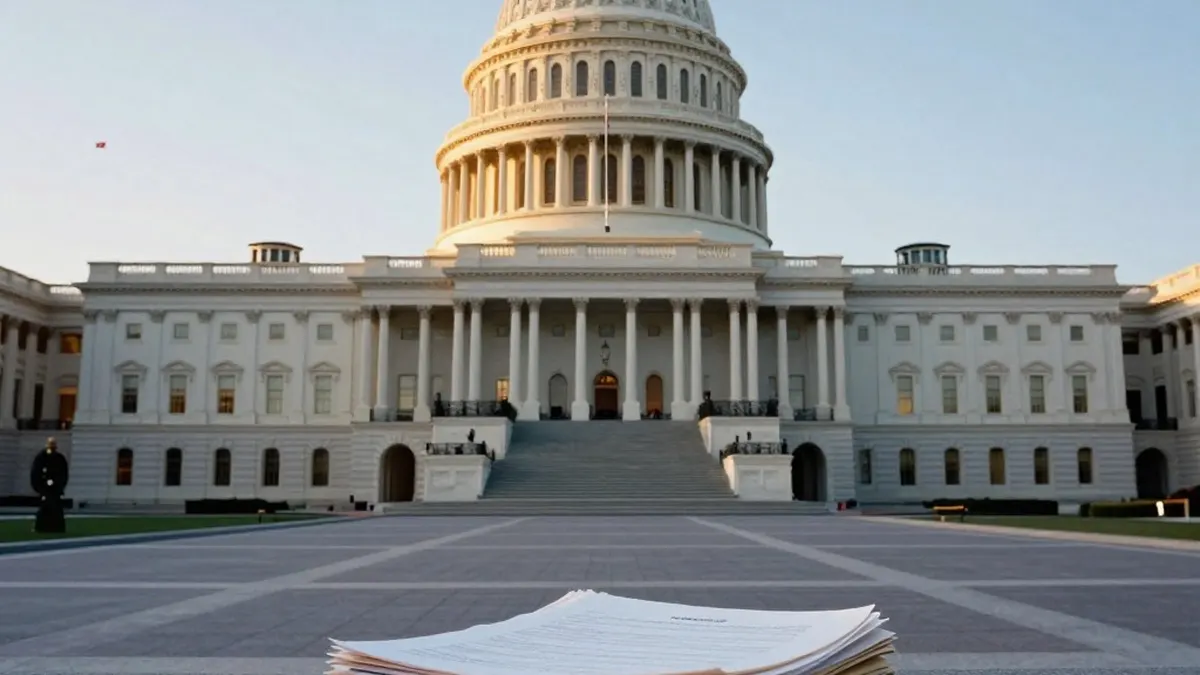
The House on Friday narrowly approved the National Defense Authorization Act, the annual bill that sets the Pentagon's priorities, in a vote that fell largely along party lines. The $886 billion measure has historically drawn support from both parties, but this year it became a vehicle for the broader cultural clash between Republicans and Democrats, touching on subjects from racial equity to abortion access.
Speaker Kevin McCarthy framed the legislation as a message to Democrats. "Stop using taxpayer money to do their own wokeism," he said, adding that "a military cannot defend themselves if you train them in woke."
NPR political correspondent Susan Davis said members of the hard-line House Freedom Caucus used their influence over the bill's contents to a degree not seen before. Republicans broadly object to Biden administration policies they argue make the armed forces too socially progressive. Amendments adopted in the House would roll back existing policies that fund diversity, equity and inclusion programs and would bar specialized health care for transgender service members.
Democrats oppose those changes. They argue that the policies help the military draw a more diverse workforce and that a more inclusive image could ease recruitment problems. Davis stressed that much of the bill remains bipartisan. It includes a 5.2% pay raise for service members, along with expanded child care and housing assistance for military families.
Abortion is another major point of division. Following the Supreme Court's Dobbs decision overturning Roe v. Wade, the Biden administration put in place a policy covering certain costs for service members who must travel to obtain abortion services. Since that ruling, more than a dozen states have enacted near-total bans on the procedure.
Republicans contend the policy violates the long-standing Hyde Amendment, which prohibits taxpayer money from paying for abortions. Davis noted, however, that the policy does not pay for abortion itself. It reimburses travel expenses and permits up to three weeks of administrative leave to receive care. The House-passed bill would effectively end it.
The fight now moves to the Senate, which Democrats control. Davis said Senate Republicans have shown less appetite for pursuing culture-war issues in a defense bill, and none of the House Republican amendments could survive in that chamber. Majority Leader Chuck Schumer has said the Senate wants to pass its own version before the August recess.
The two versions would then have to be reconciled. Davis said it is hard to see how that happens unless McCarthy is willing to dilute the House bill to win more Democratic votes. But removing the contested amendments would likely cost him the support of the conservatives who helped write it.
For now, McCarthy appears prepared for a fight. He has already announced that one of the negotiators he will send to the table is Georgia Rep. Marjorie Taylor Greene, a far-right conservative.
Source: KJZZ