Kody Blois: Chinese auto investment in Canada will unfold within 12 months
The parliamentary secretary says 17,000 Chinese EVs have entered the market so far, with a joint venture model expected to follow.
By Rebecca Svoboda ·
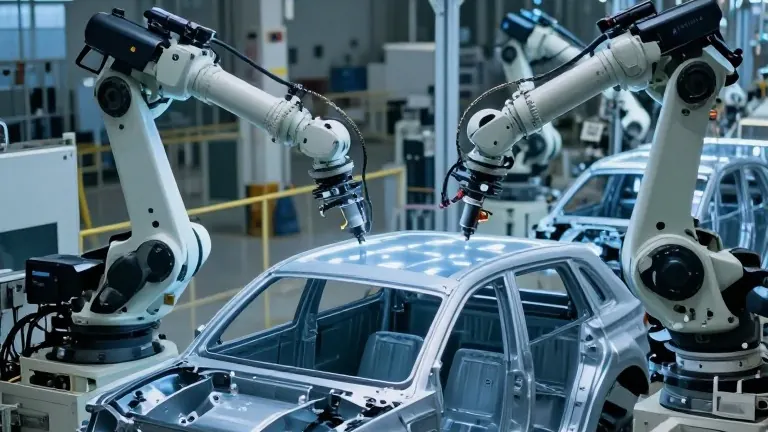
Only 17,000 electric vehicles from China have entered Canada this year, according to Kody Blois, the parliamentary secretary to Prime Minister Mark Carney. In an interview airing Sunday on CTV Question Period, Blois stated that the investment pathway for Chinese automakers in Canada will play out over the next year.
Blois, who accompanied Carney to China this week, said the government aims to protect existing original equipment manufacturers such as Ford, General Motors, Stellantis, Honda, and Toyota. At the same time, he identified a clear route for industrial investment from Chinese manufacturers. He noted that discussions must continue to verify sales performance in the Canadian market.
Prime Minister Carney met with Chinese President Xi Jinping in China ahead of the Asia-Pacific Economic Cooperation summit. The bilateral meeting resulted in a trade deal covering tariffs on pork, seafood, steel, and aluminum. However, no new updates were provided on electric vehicles since the January agreement between the two leaders.
In January, Carney announced a reduction in the tariff on Chinese electric vehicles from 100 per cent to 6.1 per cent. The agreement allows up to 49,000 Chinese-made electric vehicles into the Canadian market annually. In exchange, China lowered tariffs on Canadian agricultural exports, with a notable reduction in levies on canola seed.
Speaking to reporters in Cambodia before the APEC summit, Carney indicated he would consider Chinese investment in Canada’s automaking sector if U.S. tariffs continue to disrupt the North American market. Blois confirmed this stance, stating there is a pathway for investment regardless of the U.S. administration’s opposition to Chinese electric vehicles.
Industry Minister Melanie Joly has clarified that the government’s framework requires a joint venture. Blois emphasized that the government wants to see Canadian equity and partnership in any new arrangements. He described the current stage as early days, given the volume of vehicles imported so far against the annual quota.
Ontario Premier Doug Ford recently urged the federal government to ensure that Chinese-made electric vehicle kits are not assembled at the former Stellantis plant in Brampton, Ontario, which was sold to defense manufacturer Roshel. A Chinese electric vehicle kit consists of an electric vehicle manufactured largely in China and shipped to another country in pieces for final assembly. Blois stated the government’s focus extends beyond kits to full manufacturing and assembly.
Blois also addressed concerns regarding Chinese interference in Canadian affairs. A 2025 report by Justice Marie-José Hogue identified China as the most active perpetrator of foreign interference targeting Canada’s democratic institutions. Blois argued that leaders-to-leaders meetings allow for candid conversations with Chinese officials. He maintained that Canada has the mechanisms and institutional power to counter interference while pursuing partnerships in clean energy and agriculture.
The government plans to maintain guardrails in specific sectors, including defense, critical minerals, and artificial intelligence. Blois said Canada has a national security profile and is making investments in defense to combat cyber security threats. The full interview with Kody Blois airs on CTV Question Period on Sunday at 11 a.m. ET.
More Business · Consumer Watch · Report a business · Got a Story?