Lord of Lords Ministries installs solar, EV chargers to cut energy costs
Rev. Dr. Calvin Glass says the Detroit church adopted renewable technology to stabilize utility bills and support working families in the neighborhood.
By Rebecca Svoboda ·
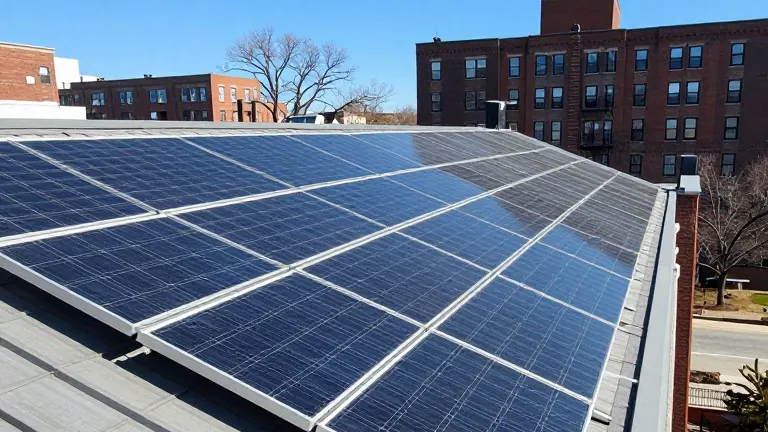
Lord of Lords Ministries in Detroit has added solar panels, battery backup systems, and electric vehicle charging stations to its campus. Rev. Dr. Calvin Glass, who has served the community since 1990, stated that the church made these financial investments to lower operating expenses and advocate for a healthier environment.
The parish has operated in a neighborhood that once relied heavily on employment at Chrysler, Ford, and General Motors. As manufacturing jobs declined and supermarkets closed, the church began addressing rising local needs, including food insecurity and health care access. Glass noted that utility bills have become a primary source of financial stress for residents. Seniors on fixed incomes and working parents are now balancing energy costs against rent, groceries, and medical expenses.
The church responded to these economic pressures by upgrading its energy infrastructure. Beyond solar panels and batteries, the ministry installed energy-efficient upgrades and air quality monitoring equipment. Glass explained that the goal was to improve operational resilience and reduce waste. These systems allow the church to continue operating during power outages and have lowered its monthly energy bills.
The installations also serve an educational function for the surrounding community. Church staff use the on-site technology to demonstrate how renewable solutions can benefit other homes and businesses. Glass argued that these improvements are not merely fashionable choices but practical tools that help families keep more money in their pockets. He emphasized that cleaner and more affordable energy options are already functioning in Detroit neighborhoods rather than remaining abstract policy concepts.
Glass supports expanding access to such solutions through mechanisms like community solar and energy-efficiency programs. He believes these tools can help residents manage daily financial burdens without relying on a single policy fix. The church’s approach combines faith-based stewardship with direct infrastructure investment to address household stability and health challenges.
The ministry continues to monitor air quality and energy usage as part of its ongoing operations. Glass pointed to the local history of community support as a model for future energy decisions. The church aims to ensure that energy costs do not force families to make difficult trade-offs between essential expenses.
Source: Planet Detroit
More Business · Consumer Watch · Report a business · Got a Story?