Knesset advances repeal of Broadcasting Law in first reading
The Knesset approved the first reading of a bill to repeal the Broadcasting Law, with proponents citing procedural flaws in the original legislation while critics argue the repeal process was too rushed.
By News Media House Staff ·
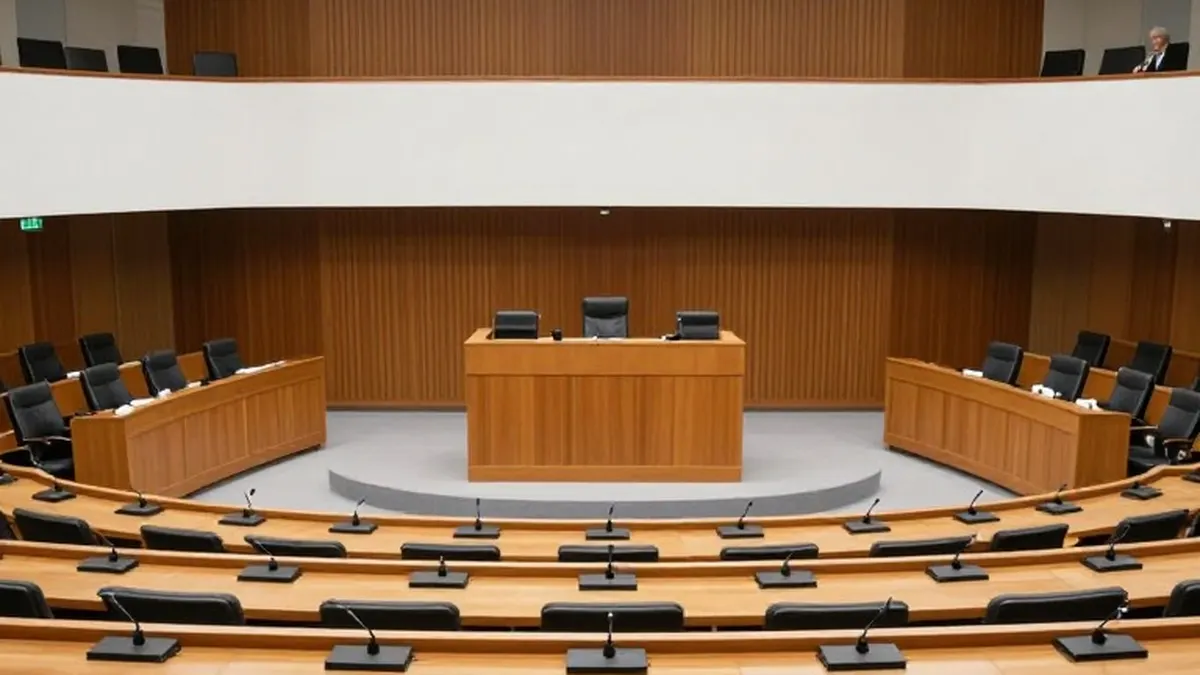
The plenum of the Knesset has approved the first reading of a bill designed to repeal the Broadcasting Law. The legislation, which was introduced by MK Eitan Ginsburg alongside a group of other members, will now return to the special committee established to handle the repeal for further deliberation and detailed examination.
The move has sparked significant debate within the legislative body, particularly regarding the speed at which the repeal is being pursued. Minister Karhi, who delivered concluding remarks to the plenum, expressed strong criticism of what he described as the rushed nature of the committee's work. He argued that the process used to dismantle the law was itself flawed, raising concerns about the integrity of the legislative correction.
Karhi highlighted a stark contrast in the time allocated to the original legislation versus the proposed repeal. He noted that the original bill underwent deliberations lasting more than 60 days, with approximately 360 hours of discussion. In comparison, the committee spent fewer than 10 hours debating the proposal to repeal the law. Karhi emphasized this disparity by stating that one cannot repeal a law on the grounds of it being flawed through a process that is seven times more flawed.
The primary objective of the bill is to fully repeal the Broadcasting Law, including all amendments it made to other pieces of legislation. The goal is to restore the legal framework that existed in Israel prior to the enactment of the controversial law, thereby reversing the changes made to the media regulatory environment.
MK Eitan Ginsburg, the sponsor of the bill, defended the proposed repeal during his address. He stressed the necessity of following a proper legislative process to reform Israel's media market. Ginsburg argued that the time had come to remove a law that was sinfully enacted during the previous Knesset's term. He asserted that the current Knesset is independent and reflects the will of the public, and that they were elected to legislate and correct previous mistakes.
Ginsburg further explained that the repeal is a practical implementation of the separation of powers. He stated that if the Knesset made an error in its previous legislative actions, it is the duty of the current body to correct it. He promised that the reform of the media market would be carried out in an orderly and proper manner, ensuring that the process meets high standards of governance.
The explanatory notes accompanying the bill provide additional context for the repeal. They acknowledge that the reform has far-reaching implications for the communications market in Israel. However, the notes contend that the original legislative process was marked by a series of difficulties, glitches, and flaws. It is stated that a complete professional and legal infrastructure was not presented during the initial passage of the law.
According to the notes, the arrangements included in the government bill that was brought to the Knesset were not examined in depth. The documentation points to significant shortcomings in the government's internal legislative process, specifically its failure to complete the required professional and legal procedures before the law was enacted.
The Knesset Legal Advisor also played a key role in identifying these issues. The notes mention that she identified extremely serious flaws in the legislative process. These concerns were detailed in a series of letters sent to committee members throughout the legislative process. The legal advisory team presented these issues to the committee both in writing and orally during its deliberations, reinforcing the arguments for the current repeal effort.
Originally published by News Media House