Spain heads into snap election with conservatives narrowly ahead
Housing pressures, immigration and corruption cases shape Spain's election as the conservative People's Party seeks power with likely support from far-right Vox.
By News Media House Staff ·
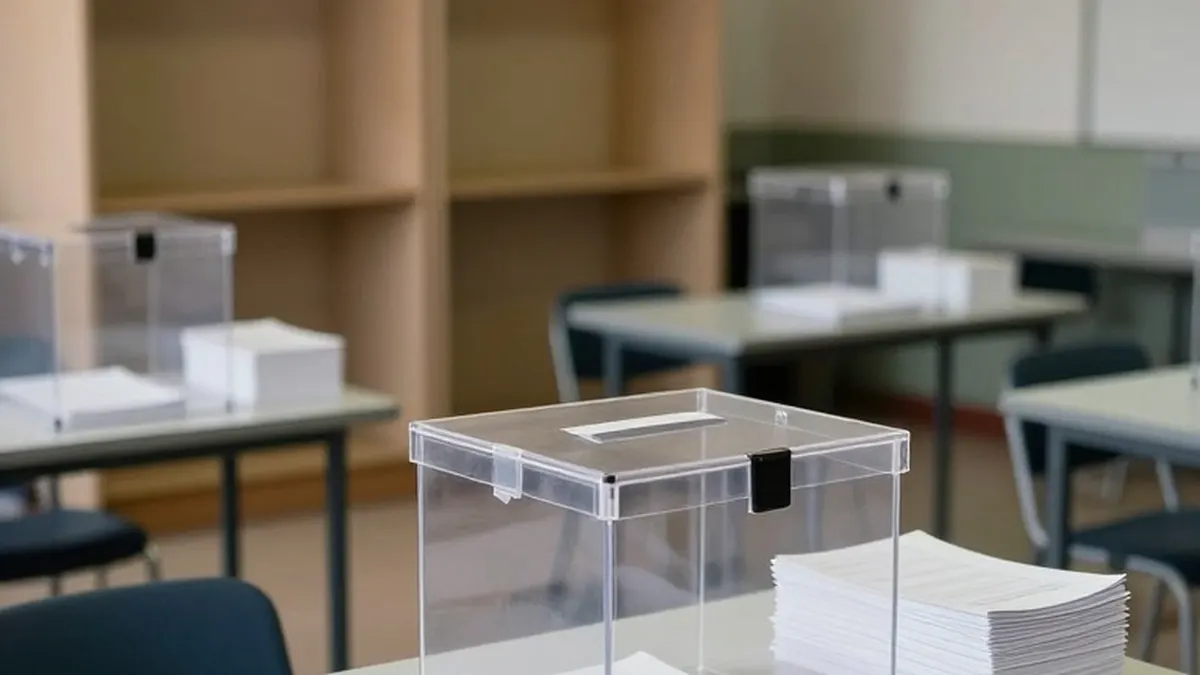
Spain votes on Sunday, 29 November, in a snap election that could end eight years of Socialist-led government under Pedro Sánchez. Most opinion polls give Alberto Núñez Feijóo's conservative People's Party a narrow advantage over Sánchez's PSOE, although the conservatives are unlikely to govern without support from far-right Vox, which is polling third.
Nearly 39 million people are eligible to elect members of Congress and the Senate in a country of almost 50 million. Voting runs from 09:00 to 20:00 local time, with the first exit polls expected when polling stations close. Sánchez retained office after finishing second in 2023 by securing other parties' backing, but support has since weakened for both the Socialists and other left-wing parties, particularly the Broad Front.
Sánchez brought the election forward by eight months after parliament rejected his proposed housing changes. The measures followed nationwide protests over the eviction of Maricarmen Abascal, 87, from her rented Madrid flat and her subsequent death. Junts, a centre-right Catalan party whose support the government depended on, opposed the changes, seeking to defend property owners' rights.
Housing has become a central campaign issue after property prices and rents rose by more than 80% between 2015 and 2025, outstripping wages. The Bank of Spain estimates that 700,000 homes are needed to relieve shortages. Unions said four million people joined a general strike on 11 November, the first since 2012. Left-wing parties favour rent controls and safeguards against eviction, while the right proposes more construction, homebuyer tax breaks and looser planning rules.
Immigration has also fuelled political clashes. Tens of thousands of migrants entered Ceuta from neighbouring Morocco in July, while El Hierro in the Canary Islands recorded 2,000 arrivals on 24 November. Both the People's Party and Vox oppose the government's initiative to legalise unauthorised migrants, which drew 1.2 million applications this year. Nevertheless, a recent CIS survey ranked immigration below housing, living costs, healthcare and working conditions among public concerns.
Vox could nearly double its current 33 seats in Congress, according to polls. Its proposals include giving Spanish citizens priority for welfare and subsidies, repatriating migrants without legal status and removing foreigners it considers not to be contributing to Spain. Feijóo supports tighter immigration controls, while Vox advocates mass deportations.
Corruption cases involving Sánchez's political circle and relatives have added pressure on the government. Former transport minister José Luis Ábalos received a 24-year prison sentence for multiple corruption offences. Senior Socialist Santos Cerdán faces trial over alleged bribery and denies wrongdoing. Sánchez's wife, Begoña Gómez, also denies allegations involving misuse of public funds and using her marriage to advance her academic career. His brother David Sánchez has been barred from public office for nine years for administrative misconduct.
Feijóo wants a majority supported by parliamentary agreements with Vox and has left open the possibility of a coalition. However, he says Vox's policy of prioritising Spanish citizens would conflict with Spain's constitution and European Union treaties. The parties have governed together regionally, although Vox withdrew from five regional administrations in 2024 over transfers of unaccompanied migrant children. They have since reached new coalition agreements in four regions.
Regional parties could again prove important in determining who governs. Catalonia holds 48 of Congress's 350 seats, and Sánchez relied on Catalan parties ERC and Junts as well as Basque separatists Bildu. Junts's rejection of his housing proposals ultimately broke that parliamentary support and prompted him to dissolve parliament.
Originally published by News Media House