Three nuclear leaders gather for 26-month window
Trump, Xi, and Putin convened in Shenzhen for trilateral talks, with the US president noting his remaining time in office.
By Noor Graham ·
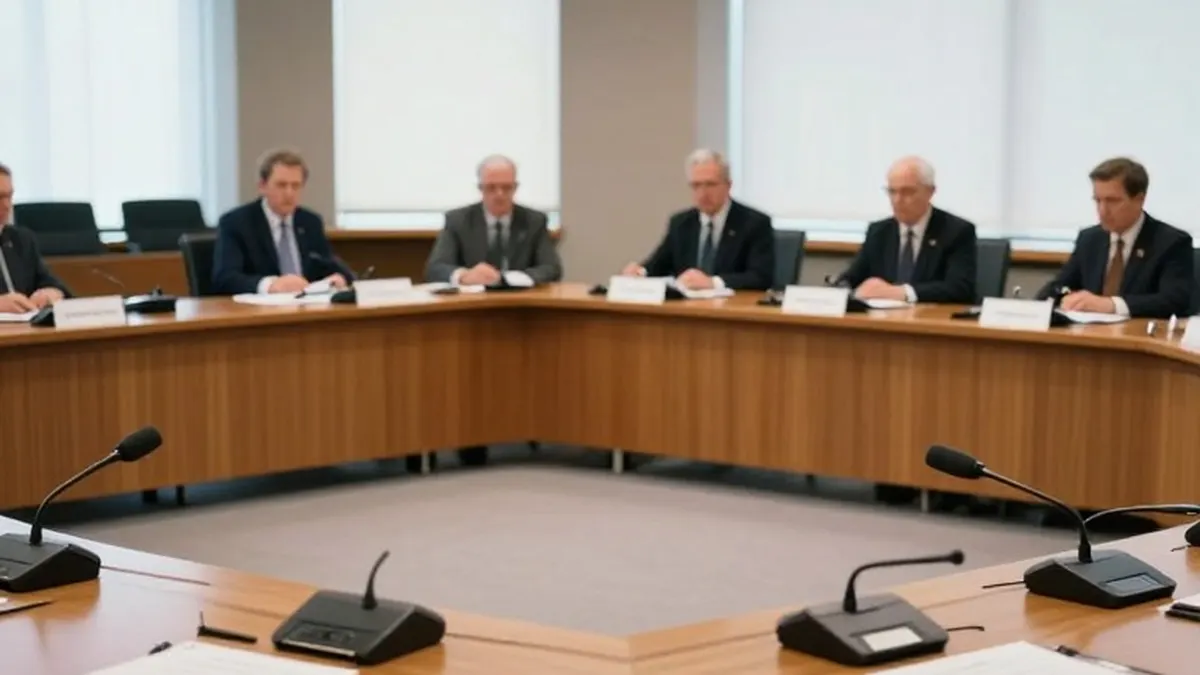
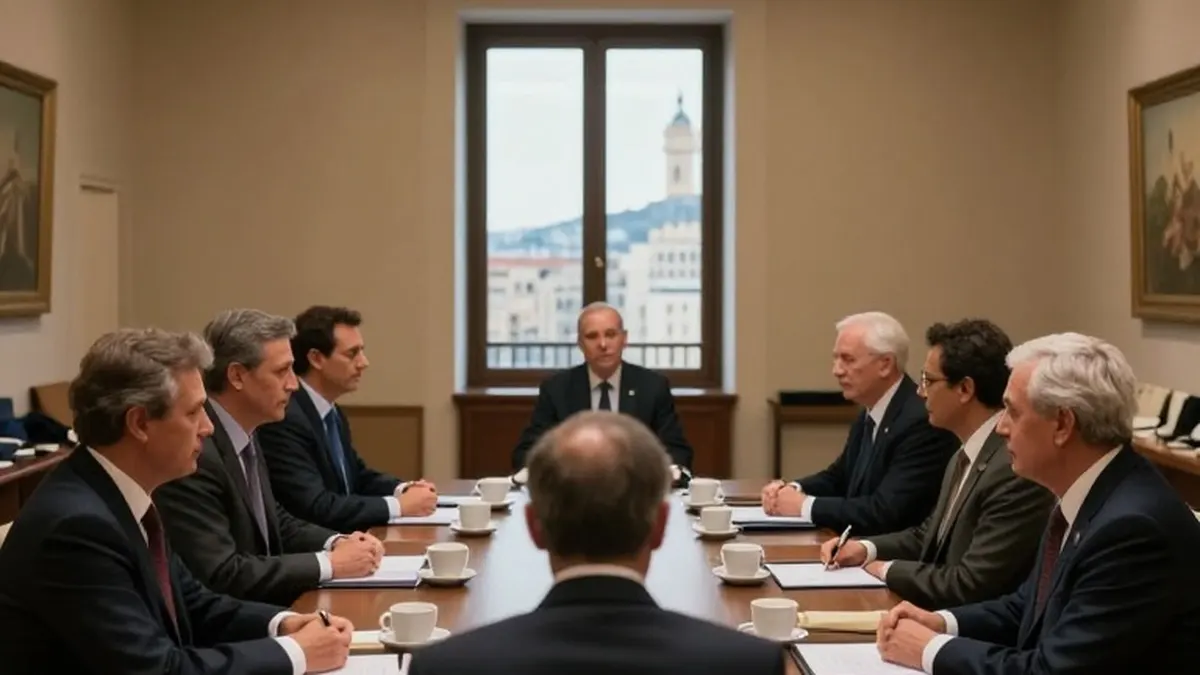
The diplomatic calendar for the Asia-Pacific Economic Cooperation summit in Shenzhen was dominated by a single event: the first trilateral meeting between the leaders of the world's three largest nuclear powers. On Thursday, Donald Trump, Xi Jinping, and Vladimir Putin posed for a group photograph before entering closed-door discussions. This gathering marked a shift in high-level engagement between Washington, Beijing, and Moscow.
The path to this meeting involved a series of bilateral engagements earlier in the day. Trump first met with Xi for approximately one hour. During that session, the US president characterized the relationship as a "special friendship" and stated that as long as they were in charge, the two nations would not face major problems. Xi responded by citing a new definition of strategic stability based on respect and fairness. He also noted that the Board of Trade established at their May summit in Beijing had helped balance tariffs.
Prior to the Chinese meeting, Trump held talks with Putin. Kremlin foreign policy aide Yury Ushakov reported that the two leaders discussed the conflict in Ukraine and bilateral relations. Ushakov described the mood as excellent. Trump publicly referred to Putin as a friend, a sentiment captured in video released by the White House Rapid Response account.
When the three leaders spoke together, the tone shifted toward global security. Xi opened by saying the meeting had groundbreaking significance. He argued that the world enjoys peace when great powers live in harmony. In a statement reported by Xinhua, the Chinese leader called for nuclear weapons to be comprehensively banned and thoroughly destroyed. Trump agreed that the three nations were uniquely positioned to discuss the issue, warning that past leaders often avoided conversations with those they disagreed with.
Putin indicated that the war in Ukraine would be the primary focus of his conversation before the group moved into private talks. Analysts suggested that major agreements are unlikely due to deep divisions over trade, Iran, and nuclear policy. However, the meeting created concern among smaller nations that their interests might be overlooked in a deal between the superpowers.
Al Jazeera diplomatic editor James Bays noted the unique dynamic of the room. He pointed out that Putin has been in power in Moscow for 26 years and Xi for 14 years. In contrast, Bays observed that the other two leaders know Trump only has 26 months remaining in his term. This timeline factor appeared to influence the US president's approach to the negotiations.
The trilateral session occurred alongside the main APEC summit activities, where representatives from 21 Pacific Rim economies are discussing innovation-driven growth. Trump emphasized the scale of his arrival, noting that Xi greeted him on the tarmac, a courtesy the US president said he rarely receives. He maintained that nuclear arms control must remain a central topic, despite previous objections from Beijing regarding talks with Washington and Moscow.