Unitree and Chinese Tech Firms Bleed Value as AI Profits Stay Elusive
A $2.4 trillion wipeout in Chinese equities reflects weak consumer demand and US trade restrictions that are straining the sector.
By Sakura Ellis ·
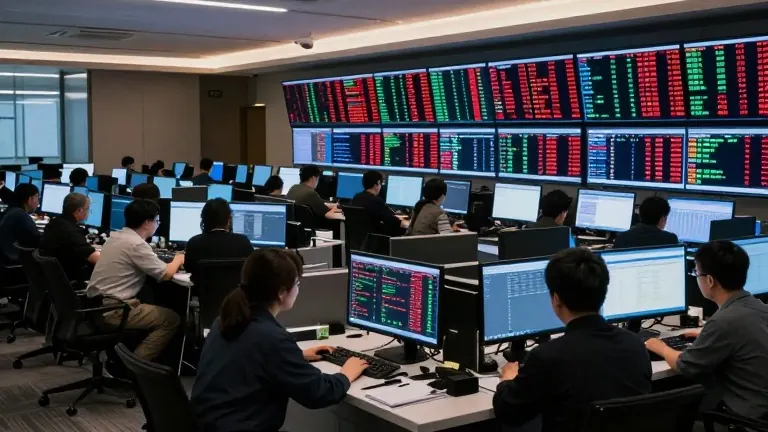
The STAR 50 Index has dropped 40% since June, erasing $2.4 trillion from China’s stock market according to Bloomberg data. This sharp decline has dragged down the broader market, with other major indexes falling by about 20% over the same period.
The sell-off is concentrated in artificial intelligence stocks. Goldman Sachs reports that AI companies make up more than 40% of the total market value in China and Hong Kong. This concentration means that any drop in AI valuations sends immediate shockwaves through the entire domestic economy.
Dan Wang, the China director for the Eurasia Group, points to weak profitability as a primary driver of the decline. She notes that profit margins this year have fallen short of expectations. This financial strain is compounded by rising interest rates in the United States and sluggish domestic demand in China.
Beijing has attempted to counter these pressures with direct investment. A state-backed AI fund worth 60 billion yuan began distributing capital to domestic developers this month. However, Chinese consumers remain hesitant to spend in the technology sector. This reluctance makes it difficult for many firms to generate consistent profits.
Geopolitical tensions have further complicated the outlook. The United States has banned Chinese humanoid robots on national security grounds. Washington is also considering restrictions on Chinese components used in data centers. These measures hurt Chinese exporters who cannot easily shift their sales volume to the domestic market.
The robotics sector, often called embodied AI, faces specific headwinds. While popular in entertainment, robotic dogs and humanoids are not yet practical for home use. Demand currently comes mainly from government agencies and research institutions rather than everyday consumers. Shares in Unitree, a leading robot manufacturer, have halved since they began trading in August.
Wang describes a general anxiety among tech firms about whether state-backed models can succeed against weak consumer demand. She argues that embodied intelligence does not yet look capable of turning a profit in the mass market. This uncertainty is discouraging local investors, especially as China restricts overseas investment to keep capital at home.
Some sectors retain investor confidence. AI research and satellite technology continue to attract funding. The satellite sector benefits from its military links, which suggest long-term state support. Globally, the AI boom is expected to persist for at least another year, but Chinese markets are missing the catalyst of a major domestic IPO.
US firm Anthropic filed paperwork this week for an initial public offering that could raise as much as $100 billion. China has no comparable blockbuster debut on the horizon. Policymakers face pressure to introduce stimulus measures, but none are expected during the current politically sensitive period.
Top Communist Party officials are gathering this week for the fifth plenum. This meeting will lay the groundwork for the 21st Party Congress next year, where Xi Jinping is expected to secure a fourth term. Wang warns that any stimulus measure before then carries high risk. Officials fear that if a policy fails, the person responsible will be held accountable.
Source: The Guardian
More Business · Consumer Watch · Report a business · Got a Story?