Iran Intensifies Gulf Strikes as Oil Transit Drops
Iranian forces have ramped up attacks on US assets and tankers in the Strait of Hormuz, causing a sharp decline in oil transit and raising questions about the path to ending the conflict.
By News Media House Staff ·
The Islamic Revolutionary Guard Corps has claimed to have targeted radar systems at a United States military base in Bahrain, marking the latest escalation in a week of intensified hostilities. During this period, Iranian forces struck tankers in the Strait of Hormuz, a critical global oil chokepoint, and downed several US drones. These actions have caused a significant drop in Gulf oil flows and heightened tensions between Tehran and Washington.
Bahrain has borne the brunt of recent Iranian attacks. On Saturday, authorities in Manama reported that an Iranian strike hit a civilian industrial facility, starting a fire, while other attacks were thwarted. The IRGC stated that it conducted a combined missile and drone operation targeting US positions at the al-Riffa and Awali bases, claiming the destruction of two Patriot air defense radars. Iranian state media reported that a US interceptor missile crashed on Sitra Island near Manama, sparking a large fire.
Iran has justified these strikes as retaliation for a US attack on a radar installation on its Hengam Island. Tehran also cited continued violations of its airspace by US MQ-1 and MQ-9 drones. Iranian forces announced on Sunday that they shot down another MQ-1 drone east of the Strait of Hormuz. The IRGC claimed this was the 20th US drone of its type to be downed since the war began in late February and the fourth in the last 24 hours.
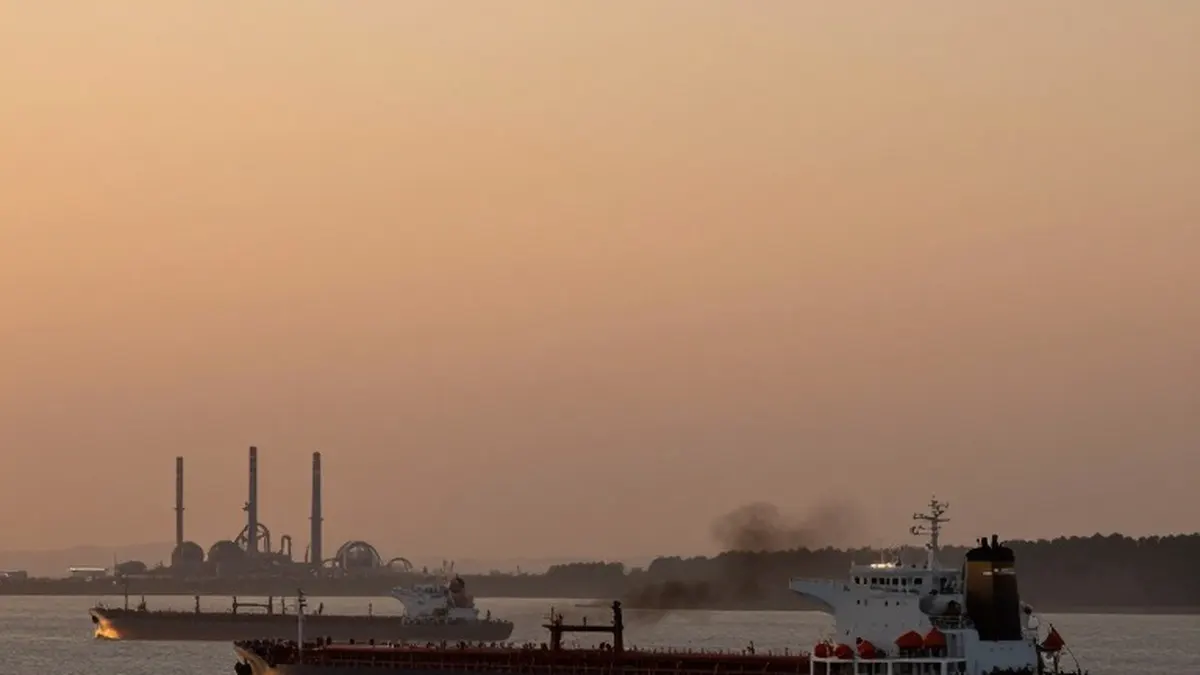
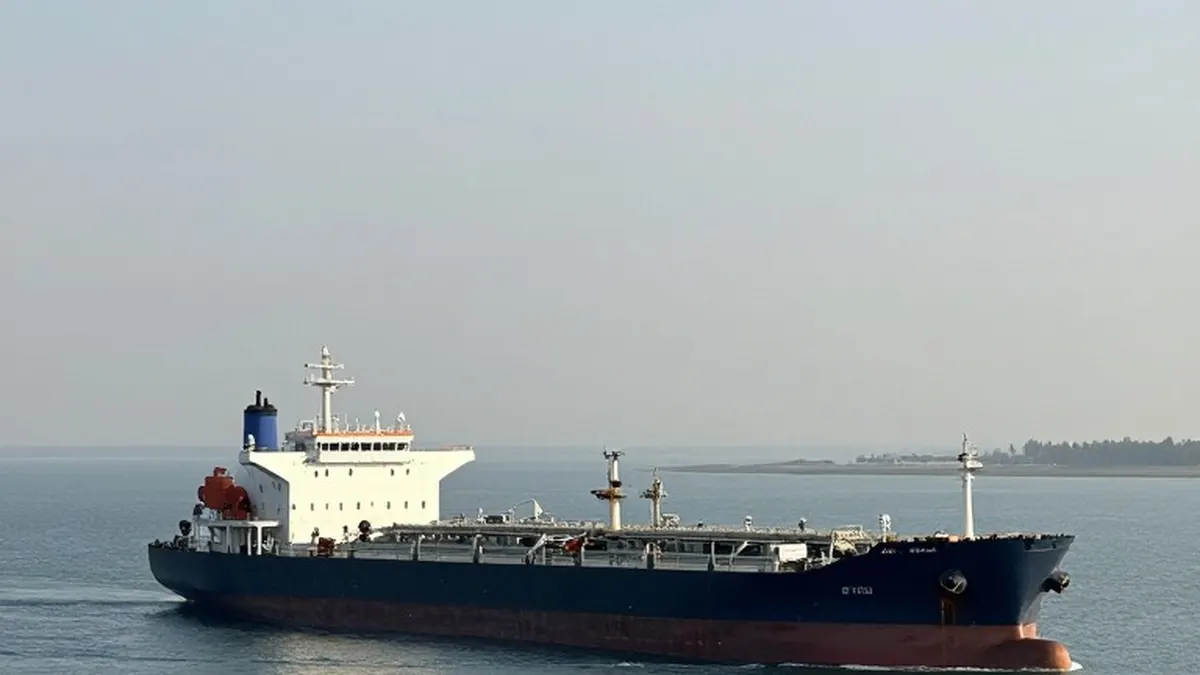
The conflict has severely disrupted maritime traffic. British maritime authorities reported two incidents involving tankers struck by unidentified projectiles near Oman. Al Jazeera correspondent Resul Serdar noted that incidents involving tankers have increased sharply, with approximately 25 hit since November 14. According to the UK Maritime Trade Operations, 263 ships passed through the strait between November 12 and 18. This figure represents a 15 percent decrease from the previous week and a 20 percent drop from the week before.
Of the vessels that transited the strait during that period, 37 were oil tankers, down from 52 the previous week. These figures may understate the actual traffic, as shadow fleet vessels are not always officially registered. Before the war began in February, approximately 135 ships passed through the vital waterway daily. The disruption has led to rising insurance rates, which have jumped from pre-war levels of 0.10 to 0.25 percent to a current range of 3.5 to 7.5 percent.
Oil prices have also fluctuated significantly. Prices crossed the $100 per barrel mark before settling at $83, which remains more than $15 above pre-war levels. The International Energy Agency reported that cumulative losses from the conflict have reached 2.8 billion barrels of oil and 60 billion cubic meters of gas supply from the Gulf. The agency warned that the conflict could cut world oil demand by more than 4 percent by 2035 if governments accelerate electrification and efficiency measures in response.
Senior Iranian officials have framed the escalation as a choice for the US between surrendering to missiles or diplomacy. Analysts suggest that Tehran is using its leverage to ensure that US allies in the region share the burden of the war. Rami Khouri, a public policy fellow at the American University of Beirut, told Al Jazeera that the attacks aim to spread the pain of the war across the Gulf and global economies through higher shipping costs. He added that a primary driver is Iran's desire to avoid suffering alone from US and Israeli assaults.
Deputy Foreign Minister Kazem Gharibabadi stated that Iran considers the US economic blockade an act of war. He told Iranian reporters that Tehran will take necessary measures to break this economic siege. The ongoing naval blockade, overland trade disruptions, and new sanctions imposed in August have hurt Iran's economy. US Treasury Secretary Scott Bessent claimed the embargo will result in a 25 percent contraction of the Iranian economy by the year ending March 2027.
Despite the economic pressure, Iranian authorities insist they can withstand the strain. Trita Parsi, executive vice president of the Quincy Institute for Responsible Statecraft, warned that if US President Donald Trump continues the naval blockade, further military escalation is likely. He argued that Trump would need to slowly lift the blockade and some sanctions to withdraw from the confrontation without renewed fighting. Professor Hassan Ahmadian of the University of Tehran noted that Iran is forcing a binary choice on Trump, where letting tankers pass ends the blockade without an agreement, while attacking them invites difficult Iranian responses.
President Trump said on Saturday that he has plans to make a permanent deal with Iran to prevent it from acquiring a nuclear weapon. He also told Fox News that he was never very interested in regime change but described Iran's new leadership as more rational.
Originally published by News Media House