15 wildfowl injured by tackle in Cornwall reserve
Cornwall Council links three bird deaths to discarded fishing gear and warns of a potential ban if anglers do not change habits.
By Rebecca Svoboda ·
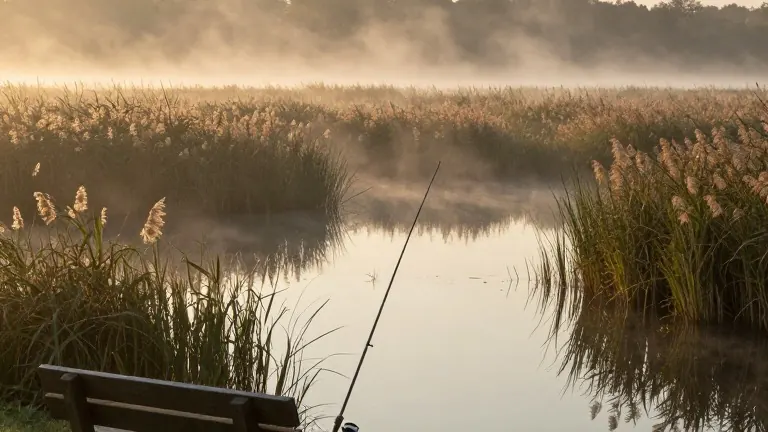
Cornwall Council has urged local anglers to manage their equipment carefully after linking discarded fishing tackle to multiple wildfowl injuries and deaths. The issue centers on St Andrew's Wetland Nature Reserve in Par, where officials recorded 15 cases of bird injury and three deaths over the past several months. The council attributed the harm to abandoned lines, hooks, and lures left in the pond and surrounding vegetation.
One Canada goose was found in distress with a lure and attached line wrapped around its legs. The bird later died from its injuries. Council officials stated that approximately 30 items of angling equipment were recovered from the site. Most of the gear was designed for pike fishing, and some pieces were illegal for use on inland waters according to current regulations.
Loic Rich, the cabinet member for environment on Cornwall Council, described the conditions as "quite horrific experiences" for the birds. He said the animals experienced "a lot of pain and suffering" when they became entangled. Rich emphasized that while fishing has occurred at the site for a long time, the priority now is the safety of the wildlife. He noted that the vast majority of anglers are responsible, but a minority are leaving gear behind.
Rich stated there is no excuse for leaving lines in the water. "It really doesn't take much effort to ensure that you don't leave anything behind that you shouldn't," he said. He explained that unlike humans, panicked birds do not understand why they are wrapped in lines. This confusion leads to further injury and suffering. The council views the current level of discarded tackle as unacceptable.
The council plans to install new signs and a code of conduct to clarify expectations for anglers. Rich described these measures as an attempt to make the rules "much clearer." He added that the council does not want to act heavy-handedly without cause but is committed to preventing further "awful injuries." The goal is to educate visitors so that common sense governs how equipment is handled in the wild.
If current practices do not improve, Rich warned that the council will ban fishing at the reserve. He stated that any future ban would be policed. In the meantime, Environment Agency officers will patrol the site. Their role is to check that visitors are following national and local by-laws and hold a valid rod licence. The council says the wildlife must come first in this environment.