AI Hardware: Microduck Robots Surge in Popularity After Executive Demo
Open-source duck robots have seen a spike in preorders following a viral demonstration at a major tech conference, positioning them as a potential holiday hit.
By Thomas Reynolds ·
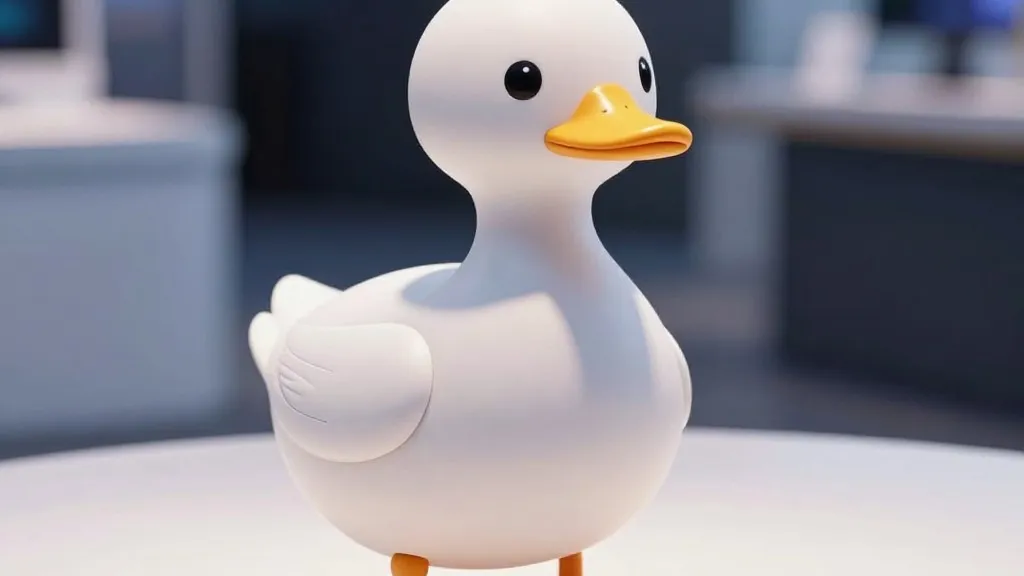
The artificial intelligence sector has recently faced scrutiny over its role in digital security incidents, yet a lighter side of the technology emerged this week. A clip featuring Nvidia chief executive Jensen Huang interacting with a group of small robotic ducks during his keynote at GTC Berlin captured widespread attention online. The footage, which showed the robots performing various actions, quickly gained traction, leading to a significant increase in consumer interest for the devices.
The primary driver of this surge was the engaging behavior of the Microducks. In the video, the robots were seen walking with a waddling motion, emitting sounds reminiscent of the fictional character R2-D2, and responding to voice commands by sitting, standing, or performing somersaults. They even simulated napping by falling over. Clem Delangue of Hugging Face noted that preorders for these units exceeded 20,000 within a day of the demonstration, suggesting strong early demand.
With delivery times aligned with the holiday season, these devices are now contenders for the title of most popular toy of the year. Delangue suggested that the robots could become the best-selling robotic units of the year, noting that the audience is not limited to children. Promotional materials feature adults interacting with the robots, indicating a broader demographic appeal for the product.
The Microducks are open-source hardware created by Pollen Robotics. This company was acquired by Hugging Face in 2025. Consequently, the ownership chain now links the robots directly to Nvidia, which purchased Hugging Face in September. This represents the second robot product from Hugging Face, following the previously released Reachy Mini, which also emphasized a friendly design aesthetic.
The technology powering these robots relies on Nvidia’s software stack. During development, simulations of the ducks were used to teach basic movements such as walking and sitting. These pre-trained behaviors are included in the devices as they are sold to customers. Pollen Robotics has indicated that owners can customize their units by teaching them new tricks, with an option to share these new capabilities with the wider community.
While the broader AI industry has dealt with serious concerns regarding its impact on cybersecurity, the Microduck phenomenon offers a more approachable entry point for consumers. The combination of accessible technology and appealing design has made the robots a notable success story. For many observers, the video serves as a reminder that advanced computing can be both functional and entertaining.
Source: TechCrunch