Wolves Move Into Finnish Villages After Google’s Data Center Rush Clears 1,300 Acres
The displacement of wolf packs from cleared forests has led to wildlife entering residential areas near Muhos and Otanmäki.
By Thabo Mokoena ·
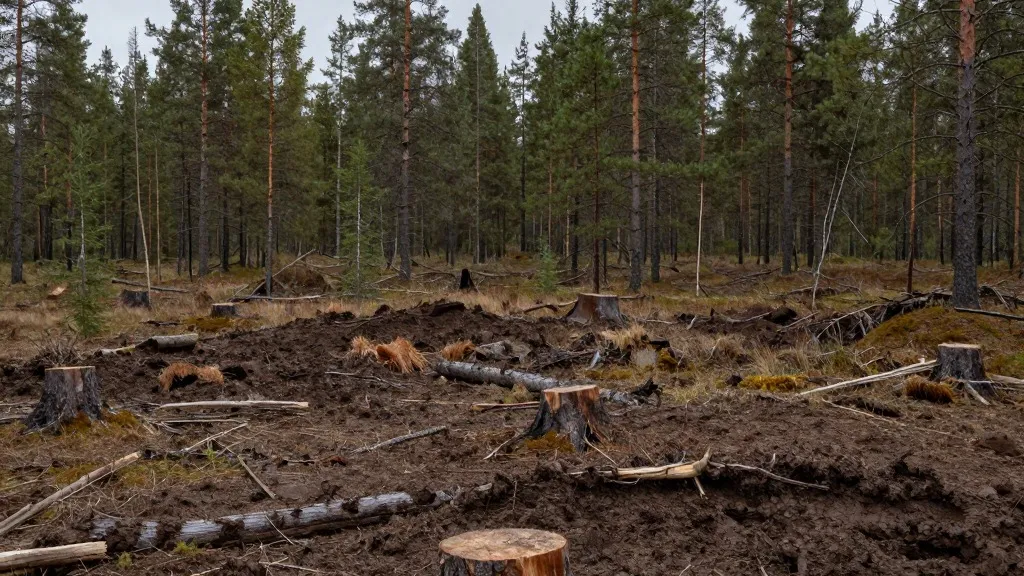
Wolves have begun roaming into nearby villages in Finland after Google cleared forests to build new AI data centers. This shift in wildlife patterns has raised safety concerns for residents in the region. The land in question was previously home to several wolf packs. Now, that habitat has been replaced by large areas of mud.
Google’s country manager for Finland has apologized for the situation. The company admitted to clearing 816 acres of forest near Muhos. This area has effectively turned into a muddy expanse. Additionally, regulators have ordered Google to stop work on another 500 acres near the village of Otanmäki. These two sites are located roughly 55 miles apart in the southeast part of the country.
Local residents say the change is more than just an environmental issue. Families report that wild animals, including wolves, are moving into their neighborhoods. This happens because the animals’ natural habitat has been removed. Anni Ranta, a resident of Otanmäki, explained that wolves are now coming into the village. She noted that all the wild animals have moved out of the forest.
Ranta has lived in Otanmäki for generations. She expressed fear that the U.S.-owned data centers could make Finland a bigger target for Russian aggression. Other locals have complained about the construction noise. Some streams have turned brown, and rare bird species are being pushed out of the area. These issues have been common in other places where AI data centers are built.
The Finnish Association for Nature Conservation stated that Google’s handling of environmental policy has been unprecedented. The Licensing and Supervision Authority, known as LVV, agrees with this assessment. LVV issued an order for Google to halt development near both Muhos and Otanmäki. This follows a notice given earlier this month to stop construction activities in these regions.
A Google spokesperson said the company will fully comply with the LVV’s requests. They expressed hope to maintain an open dialogue with local authorities. The company aims to strengthen its partnership with Finland. Google is likely counting on the economic benefits of the data centers to influence regulators. The business case for AI infrastructure remains a strong argument for the tech giant.
The situation highlights the tension between rapid technological expansion and local environmental needs. The cleared forests were not just trees; they were the primary hunting grounds for local wolf packs. With that land gone, the animals are forced to find new territory. This has brought them closer to human settlements than before.
Regulators are now watching the project closely. The stop-work orders are a significant step. They show that local authorities are willing to pause major tech projects if rules are broken. For now, the muddy wastelands remain a source of friction between the company and the community.
The long-term impact on the local ecosystem is still unclear. While the immediate issue is the wolves moving into villages, the broader loss of forest habitat is a lasting change. The debate over whether the economic gains outweigh the environmental costs is likely to continue. Residents are watching to see if Google will address the damage or just move forward with the next phase.
Source: Tom's Hardware