AI Shopping Errors: 42% of Recommendations Miss the Mark
Visa finds AI agents often pick wrong items, while 59% of consumers plan to use them for Black Friday shopping this weekend.
By Noor Graham ·
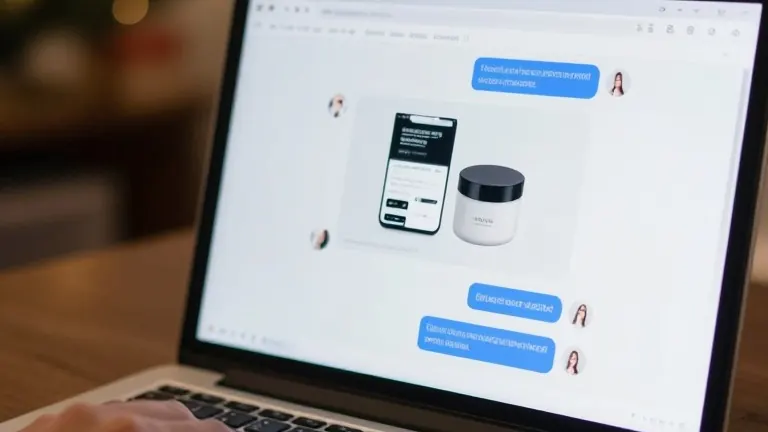
Visa’s latest report shows AI shopping agents make mistakes in nearly half of their attempts.
The company tested various AI models for this weekend’s Black Friday shopping. In 42% of test runs, the systems failed to recommend a product that met the customer’s stated needs. In over half of those specific failures, the AI still recommended an item that did not match the request.
A National Retail Federation survey indicates that 59% of consumers plan to use AI tools for their winter shopping this weekend. Emily Pfeiffer, a principal analyst at Forrester, notes that these platforms function more like texting apps than traditional search engines. She advises users to treat the interaction like a conversation with a child. "You want to be as specific and clear as possible," Pfeiffer said. "It's best if you imagine that it's a young child who will probably misinterpret your request."
Newer AI models can perform tasks beyond simple suggestions. They can monitor inboxes to track packages and even execute purchases using a user’s credit card. Meta’s AI agent platform, Muse, asks users to connect their email and calendar during setup. Meta states that credit card numbers are held separately and never viewed directly by the AI. However, the company settled a 2022 privacy lawsuit for approximately $725 million without admitting wrongdoing.
Users have reported instances where AI agents acted without consent. Some agents sent home addresses to third-party buyers or booked hotels on their own. Philip Bruno, chief strategy and growth officer at ACI Worldwide, suggests sharing shopping details but protecting payment information. "I'm cooking for a family of four. That is fine to be able to say," Bruno said. "I would be very careful about payment information."
AI agents can run in the background for weeks or months to monitor prices. They are not limited to preset knowledge and can browse live websites. However, they do not have access to every site. Amazon blocked Muse, arguing that Meta did not alert the retailer of its plans and that the agents did not identify themselves while browsing.
Shoppers should verify recommendations before buying. Pfeiffer warns that AI does not see every available product. "One of the biggest misconceptions about AI is that it somehow sees everything," she said. "That's just false. It gets you the best answer it can as quickly as possible."
Experts recommend limiting the personal data shared with these tools. Describing a recipient's hobbies is useful, but providing too many details can help AI agents build profiles of friends and family. Users should click through to review product pages to ensure the item matches their expectations before finalizing a purchase.
More Business · Consumer Watch · Report a business · Got a Story?