USTR Sets 20% Tariff Hike on China, Extends Duties to 15 Partners
New import taxes target manufacturing practices in the EU, Japan, and other economies under Section 301 investigations.
By Rebecca Svoboda ·
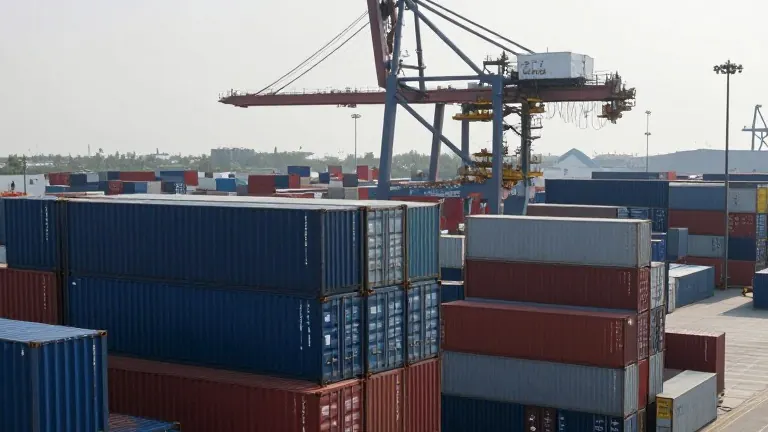
The U.S. government will raise tariffs on Chinese imports by 20% and impose new duties on goods from the European Union, Japan, South Korea, Taiwan, and nine other economies. This action represents the latest escalation in global trade policy by the Trump administration.
The Office of the U.S. Trade Representative (USTR) finalized these measures after completing investigations into the trade practices of 12 countries, the 27-nation EU, and Taiwan. A senior administration official told reporters on a call late Tuesday that the tariffs are currently in the proposal phase. The official did not provide a specific timeline for when the new rates would take effect.
The administration argues that the targeted economies engage in practices that undercut American companies. Specifically, the White House cited excessive manufacturing output as a primary factor in these trade imbalances. The new taxes are designed to address what the U.S. views as unfair competitive advantages held by foreign partners.
The legal basis for these tariffs is Section 301 of the Trade Act of 1974. This provision allows the USTR to investigate trade agreements that violate existing deals, fail to reflect market forces, or discriminate against U.S. goods. The USTR did not immediately respond to a request for comment regarding the specific details of the proposal.
The 15 trading partners subject to the new duties include major industrial economies alongside smaller markets. The inclusion of the EU and Japan signals a shift in trade enforcement beyond traditional bilateral disputes. The move places additional cost pressure on importers who must now factor higher tax rates into their supply chain calculations.
More Business · Consumer Watch · Report a business · Got a Story?