Cincinnati Animal CARE hits capacity after 38 dogs seized in welfare cases
The shelter processed over 100 canine intakes in one week, with 38 arriving through investigations that require multi-week holds.
By Noor Graham ·
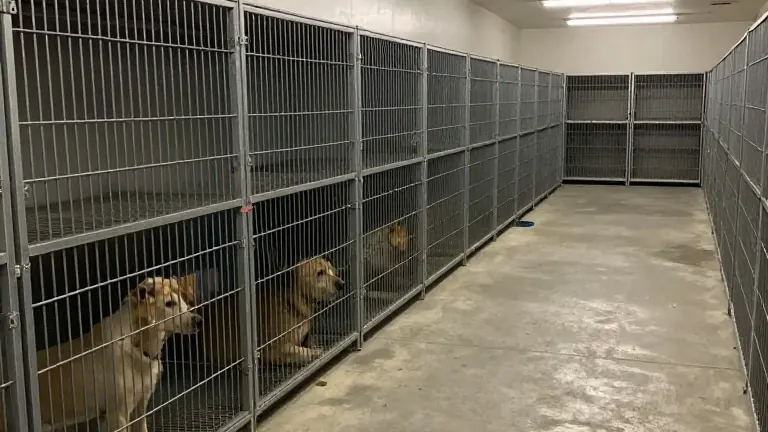
Cincinnati Animal CARE took in more than 100 dogs during the week ending Nov. 8, a volume that has pushed the facility to critical capacity. Of those animals, 38 were removed through active animal welfare investigations. The shelter now houses these dogs in limited space while waiting for legal or medical clears to finalize their status.
The surge was driven by two specific enforcement actions earlier this week. On Tuesday, humane agents and dog wardens removed 14 dogs from a single property. The following day, Wednesday, they removed another 10 from a different location. Meg Jordan, the shelter's foster manager, noted that while large groups are unusual, the frequency of these removals has become a new operational challenge. She stated that receiving notifications for 12 or 14 dogs almost daily is a rare occurrence in her tenure.
The timing exacerbates the strain on resources. October is historically a high-volume month for intakes at Cincinnati Animal CARE. The addition of over 100 dogs in a single week has intensified the need for placement. Jordan confirmed that the shelter is at critical capacity and is in desperate need of additional support to manage the caseload.
Space constraints have forced staff to implement temporary housing solutions. Some dogs currently live in pop-up crates, a setup Jordan described as not conducive to their well-being. Unlike stray animals that may be processed quickly, the dogs from these investigations often remain on hold for weeks. Jordan explained that this waiting period leaves the animals with no immediate exit path, creating a difficult on-site situation for staff and the animals alike.
Cincinnati Animal CARE continues to accept dogs from field services and owners seeking support with large numbers of animals. The shelter maintains a commitment to helping every animal that arrives, even when large groups are admitted at once. Jordan emphasized that while the organization wants to assist these individuals and properties, the simultaneous arrival of multiple dogs creates a difficult situation on-site. The shelter is urging the community to consider adoption or fostering to alleviate the current pressure on facilities.