Cumberland, Maryland pays $20,000 to new residents to fill housing void
A pilot program in the Appalachian town offers $10,000 in cash and $10,000 toward a home, joining a national trend of cities bidding for remote employees.
By Sakura Ellis ·
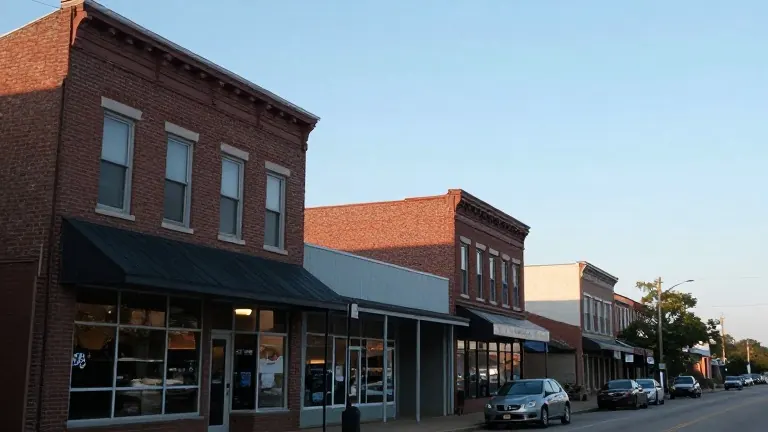
Workers with jobs that allow them to live anywhere now have a new line item in their budget. In Cumberland, Maryland, the city offers a total of $20,000 to up to 10 new residents who relocate to the area. The package includes $10,000 in direct cash and an additional $10,000 for a down payment or approved home renovations. Recipients must establish Cumberland as their primary residence for at least five years.
Mayor Ray Morriss said the city is targeting employees who bring their income with them. The town, located about 130 miles from Washington, D.C., has suffered a long-term population drop. It fell from more than 40,000 residents to fewer than 19,000 after major manufacturing employers closed starting in the 1970s. Morriss noted that the city once had over 40,000 people and is now trying to reverse that trend.
Cumberland is not alone in offering cash incentives. The website Make My Move lists more than 100 U.S. places advertising cash offers to attract new residents. Tulsa, Oklahoma, operates one of the largest programs. Tulsa Remote pays participants $10,000 to move to the city and rent or buy a home. The program started before the pandemic as an effort to diversify a labor force that relied heavily on oil and gas.
Justin Harlan, managing director of Tulsa Remote, said the initiative began as an experiment. The program has grown from roughly 70 participants in 2019 to more than 3,500. While Tulsa only requires a one-year residency, Harlan said the organization maintains a 90% retention rate beyond that period. He noted that 75% of participants since 2019 still live in Tulsa. The team meets with each individual in their first 90 days to help them settle in.
Faith Langevin moved from Atlanta to Tulsa in 2022. She cited the lower cost of living and the financial incentive as key factors. Her husband, also a remote worker, received the same payment. Langevin said the social component made the move stand out. When asked about regrets three years later, she said, “Absolutely not! This is really home!”
Evan Starr, an associate professor at the University of Maryland’s School of Business, studied the Tulsa Remote program. He said researchers wanted to learn from an early mover in the market. Starr found the retention rates to be strong. He warned that cities do not want people coming solely for the money and leaving once restrictions end. Starr believes remote work has opened up new levels of geographic mobility because employees are no longer tied to their employer’s location.
In Cumberland, local businesses see potential benefits. Gino Giatras has operated a hot dog shop there since 1918. He said he welcomes new neighbors. He cited the people, weather, and activities as reasons to love the area. The city’s pilot program remains small, limited to ten participants, but it represents a growing strategy for towns seeking to stabilize their tax bases and housing markets.
Source: WOIO
More Business · Consumer Watch · Report a business · Got a Story?