Energy Costs: Winter Prices Spike Amid Supply Concerns
Wholesale gas hits three-year high while Irish motorists face a 45-cent increase per litre since February.
By Rebecca Svoboda ·
EU energy ministers convened on Thursday to address rising energy costs as winter approaches, meeting against a backdrop of climbing wholesale prices and depleted storage reserves. The gathering follows conflicts in Iran, Ukraine, and Yemen that have driven up the cost of oil and natural gas on global markets.
European Commission Vice President Dan Jorgensen described the situation as very serious, warning that while supply security appears stable for now, affordability is an equally urgent crisis. He noted that ample fuel supplies are of little use to households and businesses if they cannot afford to use them.
Wholesale gas prices briefly reached €100 per megawatt hour on Wednesday, a level last seen in December 2022. Current trading levels stand at approximately three times the pre-war baseline. In Ireland, the Central Statistics Office reported that wholesale electricity prices have nearly doubled over the past year.
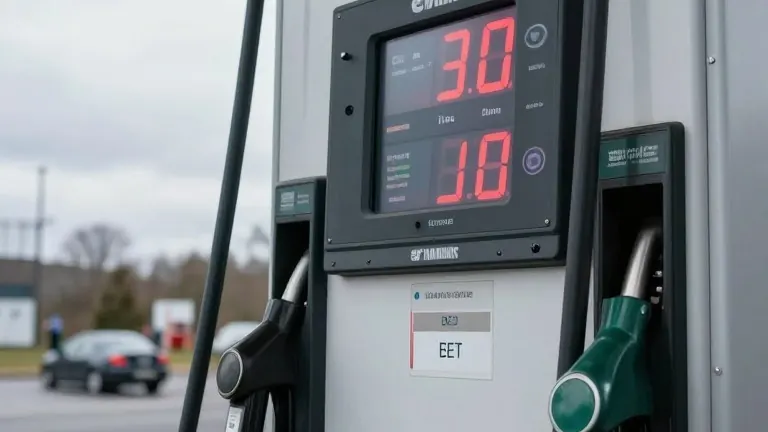
Domestic consumers are feeling the pressure at the pump. According to the FuelWatch app, the average price of a litre of diesel stood at €2.14 on Thursday morning, while petrol averaged €1.99. In February, both fuels cost approximately €1.70 per litre, meaning diesel users are now paying up to 45 cents more per litre.
Fuel prices remain high due to reduced refining capacity in the Middle East. Many refineries have been damaged or destroyed by conflict, limiting the ability to convert available crude oil into motor fuel. Brent crude currently trades at about $114 per barrel, up from the $60 to $70 range of a year ago but below the $120 peak seen in March and April.
Home-heating oil prices have also surged. The average cost for 500 litres was €833 on Thursday, compared to €790 in September and €590 in early July. In February, before the Middle East conflict intensified, the same volume cost approximately €490.
Approximately 700,000 Irish homes rely on heating oil. A typical three or four-bedroom house consumes between 1,500 and 2,000 litres annually. At current prices, this volume could cost households over €1,000 more than in previous years.
The European Commission has begun discussions with refineries to potentially boost output by easing technical specifications. Member states are also considering a proposal to reduce electricity bills through tax and grid-fee reforms, including a lower tax rate for electricity than for natural gas.
Source: The Irish Times