Europe faces missile shortage as U.S. defense production lags
European nations are locked into American systems that are experiencing delays, raising questions about air defense readiness.
By Rebecca Svoboda ·
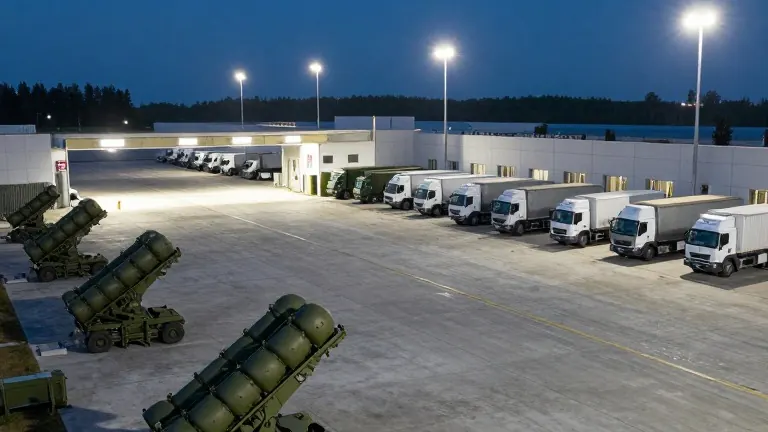
European air defense systems are facing a critical gap between demand and supply. Countries across the continent have relied heavily on U.S. technology for fighter jets and missile defense networks like the Patriot system. While these assets were chosen for their quality and the strategic bond they forged, the promise of ready availability is now in question.
A major backlog of missiles has emerged. Demand continues to rise, but production delays are stalling deliveries. The U.S. military is also drawing down its own stockpiles for operations in Iran, further tightening the supply available for European allies. This creates a vulnerability as threats from Russia remain a persistent concern on the continent.
The situation leaves European nations locked into a specific supplier. Once a country purchases a system like the Patriot, it cannot easily switch to a different manufacturer to secure new missiles. This dependency forces governments to accept delays and higher costs while waiting for American production to catch up.
Bruegel authors argue that Europe missed a strategic window in 2022. They state that calls to fund and order homegrown air defense systems were ignored, creating a strategic gap that is now clearly visible. The delay in building indigenous capabilities has left the continent exposed to the current supply chain bottlenecks.
Business journalist Paddy Hirsch notes that no one predicted the extent to which the current U.S. administration would strain the relationship. However, previous presidents also warned of European overdependence. Hirsch suggests that the current friction forces Europe to reduce its reliance on American technology. He argues this shift is necessary not just because of political unpredictability, but because U.S. and European interests may diverge over the coming decades.
European defense planners now face a choice between waiting for improved U.S. production or accelerating investment in local manufacturing. The current backlog highlights the cost of that previous decision.
The U.S. remains focused on its Iran campaign, but European nations must defend against Russian threats. The delay in missile deliveries means European forces are operating with fewer assets than planned.