Trump tasks Vance with domestic crime drive after dropping Iran deal
The president told his vice president that the US does not need a formal agreement with Tehran, redirecting focus to economic and criminal issues in Democratic states.
By Sakura Ellis ·
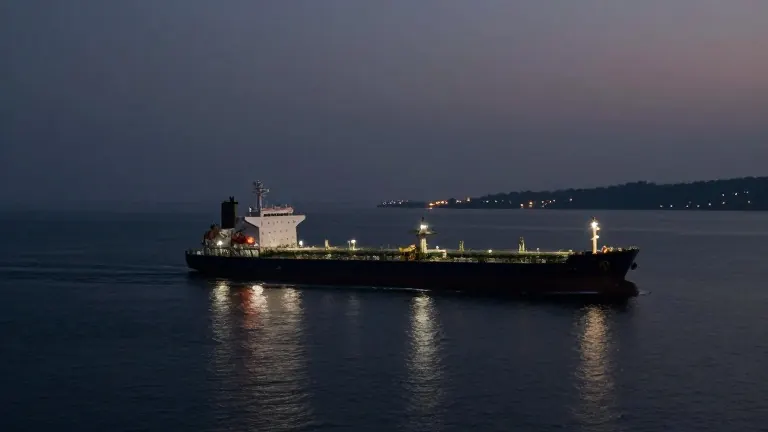
President Donald Trump directed Vice President JD Vance to prioritize domestic corruption and crime in Democratic-controlled areas, effectively removing him from the lead role in Iran negotiations. In a post on Truth Social on Thursday, Trump stated that the United States does not need a deal with Iran, claiming Washington already possesses hundreds of billions of dollars in Iranian money and control of the Strait of Hormuz. This directive comes just hours before Iran announced it had struck a US early warning radar system in Bahrain.
The instruction marks a shift in the administration's strategy following the Republican losses in the midterm elections. Vance, who previously led US negotiations in Islamabad and Switzerland, has been a vocal critic of the war. On November 4, he posted on X that the war was the primary reason for the GOP's defeat, stating that losing the Senate for six years was a high price to pay. His comments aligned with his public stance that diplomatic resolution is preferable to continued military engagement.
Tensions within the cabinet are evident. Secretary of State Marco Rubio argued that economic pressure on Iran is becoming more effective, reducing the need for large-scale military operations. Trump has sent mixed signals, threatening to destroy Iran one week while calling further strikes unlikely the next. He noted that Saudi Arabia, Qatar, Kuwait, the UAE, and Bahrain requested he pause major attacks, though he admitted he would have proceeded without those requests.
Diplomatic efforts continue through Qatari mediators. Iranian parliament speaker Mohammad Bagher Ghalibaf said Tehran has sent a seven-point proposal for a ceasefire and the reopening of the Strait of Hormuz. These conditions include ending the US naval blockade, lifting sanctions, and releasing frozen funds. The US has previously refused to accept these terms without a prior agreement on Iran's nuclear program, while Iran prefers to negotiate that issue separately.
Maritime traffic in the Strait of Hormuz remains hazardous. Iran reported that at least 12 tankers were hit in the past 12 days, claiming they used an illegal southern route. The US military's Central Command stated that over 4,000 ships have crossed with US assistance, carrying more than 1.7 billion barrels of crude oil. Despite these figures, maritime agencies advise against transit, and insurance premiums have risen sharply or coverage has been denied.
Aniseh Bassiri Tabrizi of Chatham House described the current state as neither war nor peace, predicting little movement in the coming days. She noted that Gulf nations prefer the current status quo to renewed conflict. Iran's Revolutionary Guard adviser Ali Reza Belaili said orders to strike enemies without geographical limits would be implemented at the appropriate time.
Trump defended his decision to attack Iran despite rising fuel prices contributing to the election defeat. He said Washington could destroy Iran's energy infrastructure and bridges within three days if it chose to do so. The administration continues to monitor the situation as Iran awaits an official response to its ceasefire proposal.