FAA Ground Stop Exposes Gaps in Air Traffic System Upgrades
Lawmakers question how a single technical failure halted nationwide flights, prompting scrutiny of aging infrastructure and modernization spending.
By Sakura Ellis ·
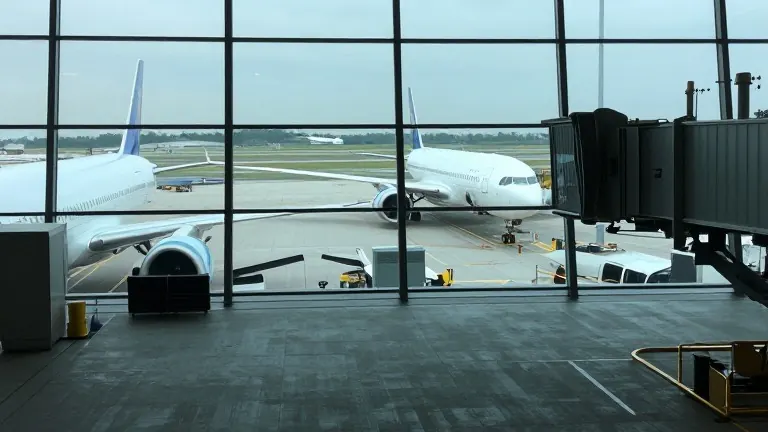
The Federal Aviation Administration’s recent nationwide ground stop has intensified scrutiny on the reliability of the U.S. air traffic control network. The halt disrupted commercial travel across the country, forcing a pause in operations to assess the stability of the underlying technology.
Federal officials stated that there is no evidence the disruption resulted from a coordinated cyberattack. Instead, the incident points to a specific technical failure within the system. This single point of failure halted flights across the entire network, demonstrating the high degree of interdependence in modern aviation infrastructure.
Senator Markwayne Mullin provided testimony before Congress regarding the event. Former Congressman Mike Bishop also joined the discussion to analyze the cause and the response. Lawmakers are asking for details on what went wrong and how the system failed to isolate the issue before it spread nationwide.
The episode has renewed debate over the condition of aging technology systems used in air traffic management. Modernization efforts have received billions of dollars in funding, yet the incident suggests that these upgrades may not have yet resolved core reliability issues. Travelers and industry observers are now questioning whether the current infrastructure can withstand similar technical glitches.
Officials are seeking to provide assurances that the air traffic network can handle future failures without halting national travel. The focus has shifted to the pace of modernization and the extent of safeguards built into the system. The ground stop serves as a tangible example of the risks associated with complex, interconnected transportation technologies.
More Business · Consumer Watch · Report a business · Got a Story?