North Korean leader urges expanded tactical nuclear deployments amid border tensions
Kim Jong Un declared the nation's nuclear status inviolable and called for wider use of tactical weapons during an inspection of production facilities.
By News Media House Staff ·
North Korean leader Kim Jong Un has directed the country to prioritize the deployment of tactical nuclear weapons across various domains for a range of missions. Speaking during an inspection of nuclear material production and weapons research facilities, Kim emphasized that this diversification is a critical and urgent task. He linked this strategic shift to the military value of tactical nukes in modern conflict and the perceived reality of facing a dangerous enemy state across the border.
According to state media KCNA, Kim stated that North Korea’s capacity for producing nuclear material is being systematically expanded. The inspection took place on Thursday, though the state news agency did not specify the exact locations or identities of the facilities visited. During the visit, Kim described the nation's recent achievements in nuclear weapons production as a major success in executing its broader nuclear policy.
The leader reaffirmed that maintaining North Korea’s status as a nuclear-armed state is absolutely inviolable. He argued that this status should not be questioned by what he termed denuclearization rhetoric from forces that ignore objective reality and fail to recognize the changed geopolitical situation. Kim noted that the country’s nuclear capability has now become a concrete reality, reinforcing the need for a robust and diverse arsenal.
Kim warned that any attempt to deny North Korea’s nuclear status would be treated as an open declaration of war. This stance aligns with the country’s constitutional changes, which enshrined its nuclear status in 2023. By framing the nuclear arsenal as a settled fact rather than a bargaining chip, the leader sought to cement the strategic position of the regime in regional security dynamics.
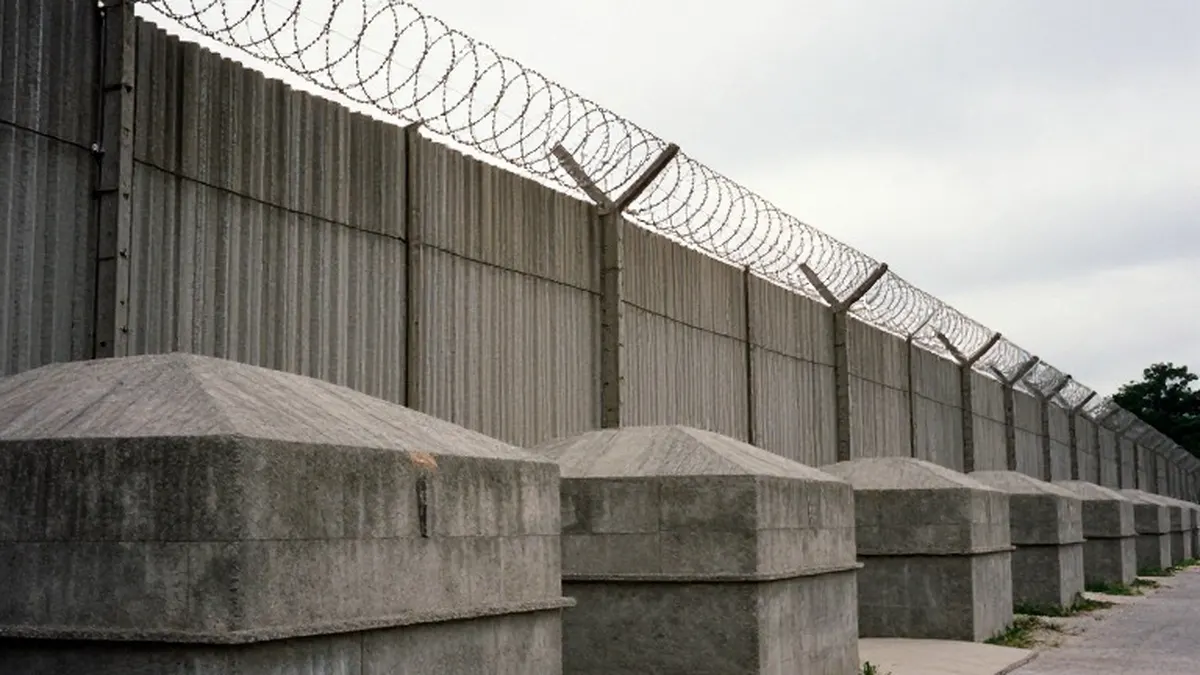
These statements arrive during a period of heightened tension on the border with South Korea. The dispute escalated following a landmine explosion in the Demilitarized Zone on September 21, which injured three South Korean soldiers. The DMZ remains a heavily fortified territory separating the two nations, and recent incidents have strained diplomatic relations significantly.
Seoul demanded an apology from Pyongyang in October after a joint investigation involving South Korea and the United Nations concluded that North Korea had planted the landmines more than a year prior to the incident. In response to these demands, Pyongyang sent a letter to the UN Security Council accusing Seoul of fabricating the explosion. The diplomatic friction was further compounded when North Korea fired approximately 10 short-range ballistic missiles into the Sea of Japan off its east coast less than a week later.
The ongoing standoff highlights the fragile nature of security on the peninsula. As North Korea pushes for a more active role for tactical nuclear weapons, analysts observe that the military posture of the regime is becoming increasingly assertive. The combination of constitutional codification and active deployment rhetoric suggests a long-term commitment to leveraging nuclear strength in its security strategy.
Estimates from South Korea suggest that North Korea currently possesses between 80 and 120 nuclear warheads. This inventory provides the material basis for the expanded deployment plans outlined by Kim. As the two Koreas navigate their recent conflicts, the integration of tactical nuclear weapons into operational planning may reshape the balance of power in the region.
The inspection and subsequent remarks serve as a clear signal of North Korea’s intent to solidify its nuclear credentials. By linking the expansion of tactical nukes to immediate border realities, Kim Jong Un has framed the nuclear buildup as both a defensive necessity and a strategic imperative. The coming months may see further developments as the nation continues to refine its nuclear doctrine.
With the border dispute unresolved and military postures on both sides remaining tense, the focus on tactical nuclear weapons underscores the evolving nature of the conflict. The leadership’s insistence on the inviolability of its nuclear status indicates that diplomatic concessions regarding denuclearization are unlikely in the near term, setting the stage for a continued state of strategic ambiguity.
Originally published by News Media House