NASA Artemis Moon Landing Faces Costly Hurdle: 22 Starship Launches Needed
A new internal estimate reveals that returning humans to the lunar surface this decade may require nearly twice the previously suggested number of orbital refueling flights.
By Jennifer Paige ·
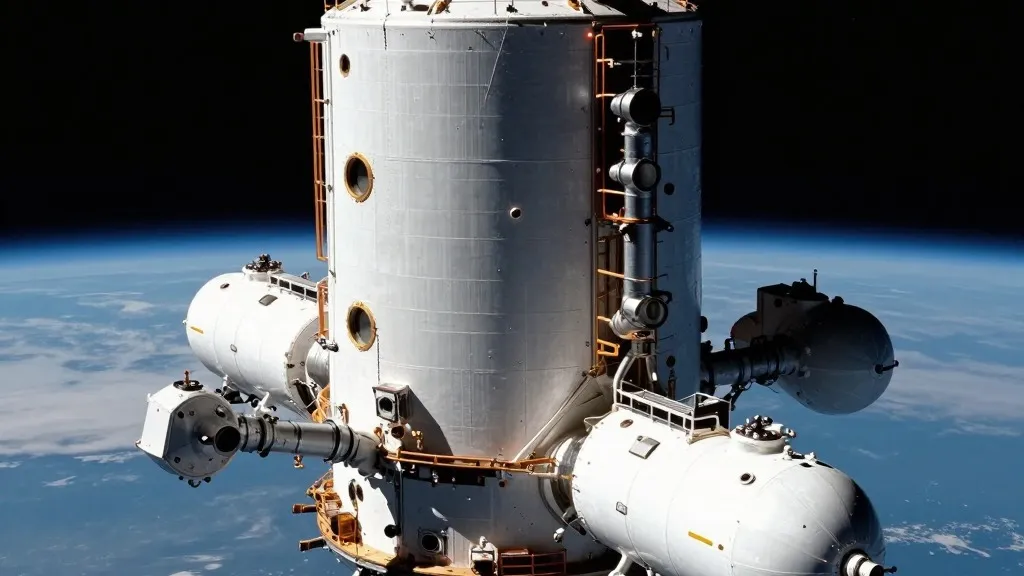
For residents of the Great Lakes and Ohio Valley tracking the pace of American space exploration, the math behind the Artemis program just got significantly steeper. A new internal estimate suggests that landing humans on the Moon this decade will require 22 separate Starship launches to provide sufficient fuel, a figure that significantly exceeds earlier, more optimistic projections.
This update emerged during the quarterly meeting of the NASA Aerospace Safety Advisory Panel held on Thursday. Panel member Charlie Precourt, a former NASA astronaut, presented the data while discussing the broader risks associated with the agency's lunar goals. The specific number of launches required to fuel a Starship-based lunar lander in low-Earth orbit has long been a closely guarded metric within NASA.
Historically, the agency has treated this figure with unusual secrecy. Much like protecting sensitive nuclear codes, NASA officials have typically avoided giving precise numbers, preferring to state that the exact count remains uncertain. In 2023, Lisa Watson-Morgan, then the director of NASA’s Human Landing System, told Ars Technica that while the agency had a general idea, she was reluctant to specify the exact number.
Watson-Morgan later provided a range, describing the requirement as being in the 'high single digits to the low double digits.' That estimate implied approximately a dozen launches. Under that scenario, SpaceX would have needed to launch one 'depot' Starship followed by 11 'tanker' Starships to fully load the vessel with liquid oxygen and methane propellant for the lunar voyage.
Other officials had previously hinted at a higher number, suggesting the 'high teens.' The underlying hope for these earlier, lower estimates was that SpaceX would dramatically improve the lift capacity of the Starship rocket. Such an improvement would have reduced the number of tanker flights necessary to assemble the fully fueled lander in orbit.
However, concerns are now growing among some NASA officials that these efficiency gains may not materialize soon enough. There is a fear that the Starship rocket might not achieve the necessary performance boost in time to play a meaningful role in returning humans to the Moon for NASA within the current decade.
The jump to 22 launches represents a substantial increase in logistical complexity and cost. It signals that the orbital refueling process will be far more extensive than the 'dozen launches' previously discussed. This new baseline provides a clearer, albeit more burdensome, picture of the infrastructure required to support the Artemis program's core objective.
As the agency moves forward, this figure will likely become the central reference point for planning and budget discussions. For observers in the region and beyond, it underscores that the path to the Moon is becoming less about a single breakthrough and more about the sustained, high-volume execution of orbital logistics.
The panel's discussion on Thursday marked a departure from the previous ambiguity surrounding this metric. By putting a specific number on the table, the agency is acknowledging the scale of the challenge ahead. The focus now shifts to whether the current hardware and timelines can accommodate this higher launch volume without delaying the crewed lunar landing.
Source: Ars Technica