Tesla Delays Self-Driving to 2027
The automator has pushed its unsupervised driving milestone to the second quarter of next year, restricting the feature to specific robotaxi zones.
By Jacob Leary ·
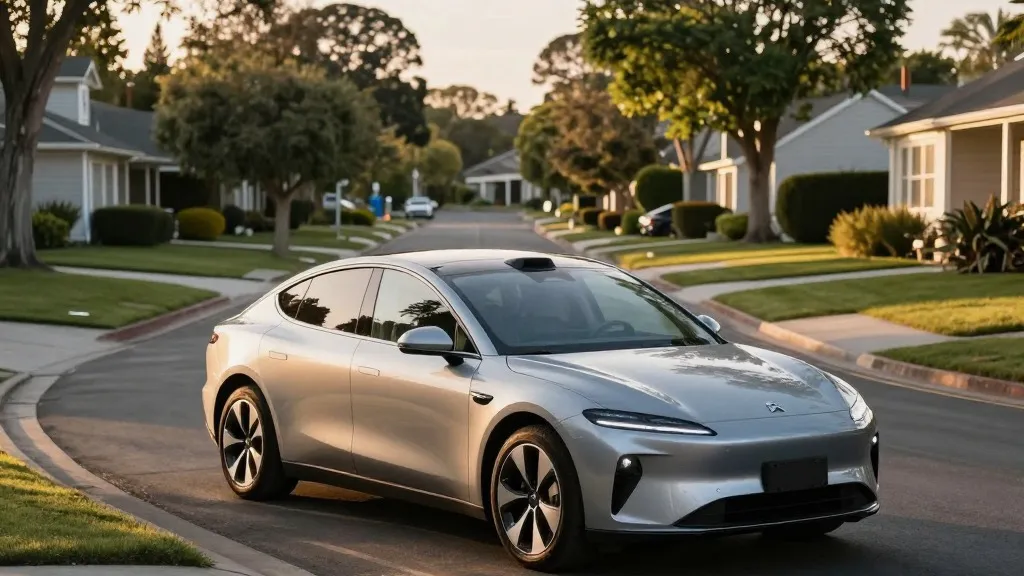
The long-standing promise of fully autonomous driving has undergone a significant refinement, with the timeline extending into the second quarter of 2027. This latest adjustment represents the most recent date in a series of projections that have defined the company's strategic communications for nearly a decade.
During the earnings call for the third quarter of 2026, Ashok Elluswamy, the head of artificial intelligence, provided specific details regarding the rollout. He clarified that the initial implementation will not function as a standalone software update for personal use. Instead, the system will operate by integrating customer-owned vehicles into the company's managed robotaxi network, effectively placing the cars under the company's operational control rather than granting owners independent autonomy.
This strategic shift was highlighted in response to a major inquiry from retail shareholders, a question supported by approximately 1.1 million shares. Elluswamy specified that the target date for this integration is the second quarter of 2027. The framing of this answer indicates that the first phase involves owners adding their vehicles to the existing fleet, where the company manages the driving operations, rather than providing a vehicle that can navigate any destination without supervision.
The geographical scope of this unsupervised driving capability remains limited. The robotaxi service currently functions in six metropolitan areas in the United States, with most service areas covering only small portions of those cities. For example, the service zone in Miami primarily encompasses West Miami and a corridor extending toward Doral and Sweetwater. Similar, restricted geofences were established in Orlando and Tampa following their launch in July.
Within these designated zones, the vehicles adhere to low-speed routes and largely avoid highways. The service also bypasses more complex urban environments. In the Bay Area, the system is not yet unsupervised due to California regulations requiring a safety driver, a requirement the company is maintaining to avoid releasing specific data to the state's Department of Motor Vehicles. The fleet itself remains modest, having accumulated nearly two million unsupervised miles by the end of the third quarter, a metric achieved after the addition of the Cybercab to the Austin fleet.
The current state of the technology contrasts with the marketing messages delivered to customers over the past several years. In July 2025, investors were told that unsupervised driving would be available for personal use in certain geographies by the end of that year. A year prior, the company expressed confidence in achieving similar results within twelve months. However, owners of the HW3 hardware have already been informed that their vehicles cannot support unsupervised driving, with no definitive upgrade plan provided.
The new target of 2027 reflects a narrower product definition, where a car joins the company's fleet within its specific zones and terms. This approach differs from the original pitch of a vehicle that would eventually drive itself anywhere through a software update. The current strategy focuses on a controlled environment where the company manages the operation, rather than a general-purpose autonomous capability for the owner.
The primary bottleneck cited for this timeline is safety, which necessitates the restriction to low-speed roads and simpler environments. The company anticipates that these safety challenges will be resolved by the following year, though the exact timing remains uncertain. This approach prioritizes operational safety over the breadth of the driving area, ensuring that the system functions within a well-understood geographical and speed-based boundary before expanding.
Source: Electrek