Ten New Kitchen Tools Aim to Automate the Messy Parts of Cooking
From self-cleaning dough gels to AI-powered ice makers, a new wave of products targets the tedious aspects of home food preparation.
By Sakura Ellis ·
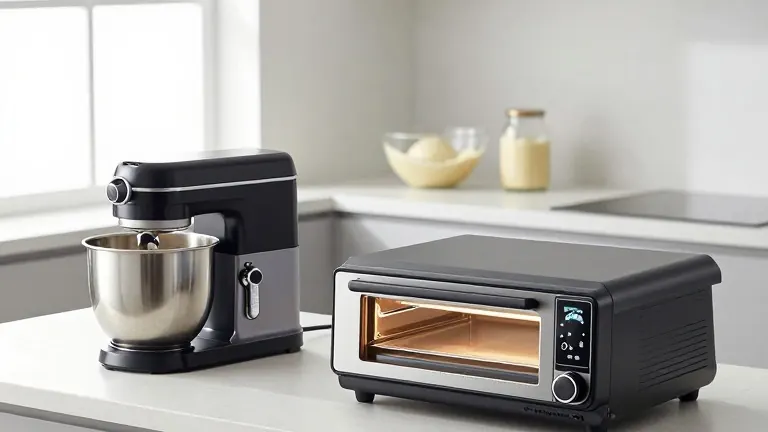
The central tension in modern home cooking is the gap between the desire for high-quality food and the willingness to perform repetitive, messy maintenance. Manufacturers have responded by shifting the burden of labor to hardware. A list compiled by Time editors and correspondents identifies ten products that automate specific tasks, ranging from cleaning sticky flour to regulating charcoal heat. These items are designed to remove the friction from daily food preparation for working households.
The drive to simplify cooking is not new. During the pandemic, many households attempted sourdough baking, a process that requires daily attention to a living culture. Cameron Martino, CEO of Leaven, and microbiologist James Gaffney spent three years developing a powdered, shelf-stable starter to address this. Their product mixes with flour, water, and salt to replicate traditional results without the need for daily feeding. Martino noted that the proprietary process could extend to coffee, chocolate, and yogurt.
Similar logic applies to equipment that requires constant monitoring. Typhur Robotics released the Sync Oven, the first countertop model with a built-in wireless probe. The device provides real-time temperature updates and shuts off automatically when meat or seafood reaches a user-set target. Allen Fung, managing director at Typhur, stated that achieving perfect doneness reveals the impact of precision control on the final product.
Cleaning remains a primary pain point for bakers. Alex Gold, cofounder of Dough Dissolve, described a moment when she clogged her kitchen drain for the third time, prompting her family to ban bread baking in the home. She and cofounder Alexis Dalinka created a gel using amylase and plant-based soap nut powder. The mixture liquefies leftover dough after a ten-minute soak, allowing it to rinse off jars and bowls while protecting plumbing.
Temperature control is also being refined for specific appliances. Ooni released the Volt 2, an electric pizza oven that reaches 850 degrees Fahrenheit. Kristian Tapaninaho, the company's founder, said customer feedback drove the second-generation design. The unit is 30% smaller than the previous model while maintaining the same cooking chamber size. It features a Pizza Intelligence system that adjusts heat based on the selected pizza style.
For those using traditional charcoal grills, Weber introduced the Kettle Smart Ring. This removable metal collar installs between the base and lid without drilling. It uses a fan to regulate airflow and a probe to monitor air temperature. Data is sent to a smartphone, allowing users to adjust heat and check internal food temperatures. The device adds predictive heat management to existing manual grills.
Other innovations target convenience and waste reduction. Lavazza's Tablì machine brews espresso using compressed coffee pucks instead of plastic pods. The pucks cost about one dollar each and stay fresh for 14 days after opening. The machine produces a shot in 35 seconds. Meanwhile, a collaboration between King Arthur Baking Company and FirstBuild produced the Sourdough Sidekick, an appliance that automates starter feeding. Its Auto Mode maintains the starter for up to a week based on a user-set schedule.
The list also includes an ultra-quiet countertop ice maker that produces six pounds of nugget ice in six minutes and runs at 40 decibels. Ooni's Halo mixer offers dual-kneading functions typically found in professional machines. Ninja's Crispi combines microwave and airfryer functions to reheat food while retaining texture. These ten items represent a shift toward appliances that handle the mechanical and chemical work of cooking, leaving the user with the final assembly and tasting.