Democrats celebrate midterm gains in Denver as governing priorities divide party
A three-day gathering brought Democrats together after their 2026 election victories, with economic relief, investigations and party leadership shaping debate over their next steps.
By News Media House Staff ·
Democrats gathered in Denver after sweeping victories in the 2026 midterm elections, celebrating their gains while debating how to use their coming congressional majorities. Thousands of lawmakers, strategists, pollsters, organizers, creators, staffers and potential 2028 presidential candidates attended the three-day conference, where agreement on the need for quick action outpaced clarity about what should come first.
The “What’s Next” gathering, organized months earlier by a new group called Majority Democrats, followed wins in longstanding Republican strongholds. Those results gave Democrats substantial majorities in both chambers of Congress and increased their control of governorships and state legislatures. With the party set to take the congressional majority in January, speakers repeatedly emphasized the pressure to deliver economic relief.
Texas senator-elect James Talarico called on Thursday for swift, substantial help with the affordability crisis. New York congressman Hakeem Jeffries said on Friday that Democrats shared responsibility for reducing the costs of groceries, gasoline and housing. But lawmakers and incoming officeholders differed over how to balance that agenda with investigations into the administration.
Iowa governor-elect Rob Sand argued that improving people’s economic circumstances should take precedence over investigating matters already covered by news organizations. Maryland congressman Jamie Raskin, who is expected to chair the House judiciary committee, said lawmakers could pursue accountability alongside legislation. A separate dispute over Senate leadership also surfaced, with Maryland senator Chris Van Hollen challenging longtime party leader Chuck Schumer. Michigan senator Elissa Slotkin told reporters on Friday that she would not support Schumer.
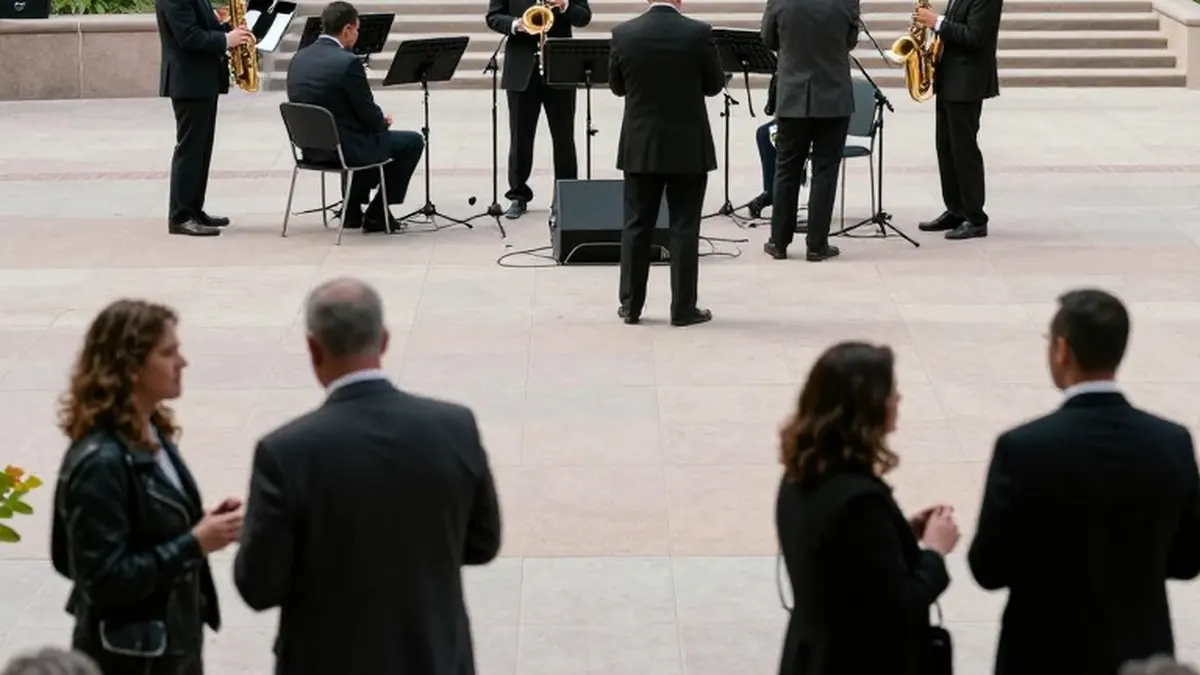
Despite those disagreements, the atmosphere was largely festive. A six-piece jazz band greeted attendees in an outdoor plaza on Thursday, and participants exchanged congratulations, hugs and photographs. Many were young organizers and strategists who entered Democratic politics in or after 2016, when Donald Trump first won the presidency. Several compared the gathering to a class reunion, while Friday afternoon brought a succession of happy hours.
Some participants nevertheless stressed the need to examine the election results carefully. Danielle Butterfield, executive director of the Democratic-aligned Super Pac Priorities USA, said reviewing elections mattered regardless of the outcome and pointed to the consequences of an inadequate review after 2024. Beneath the celebration, attendees also voiced concern that Democrats could squander their opportunity.
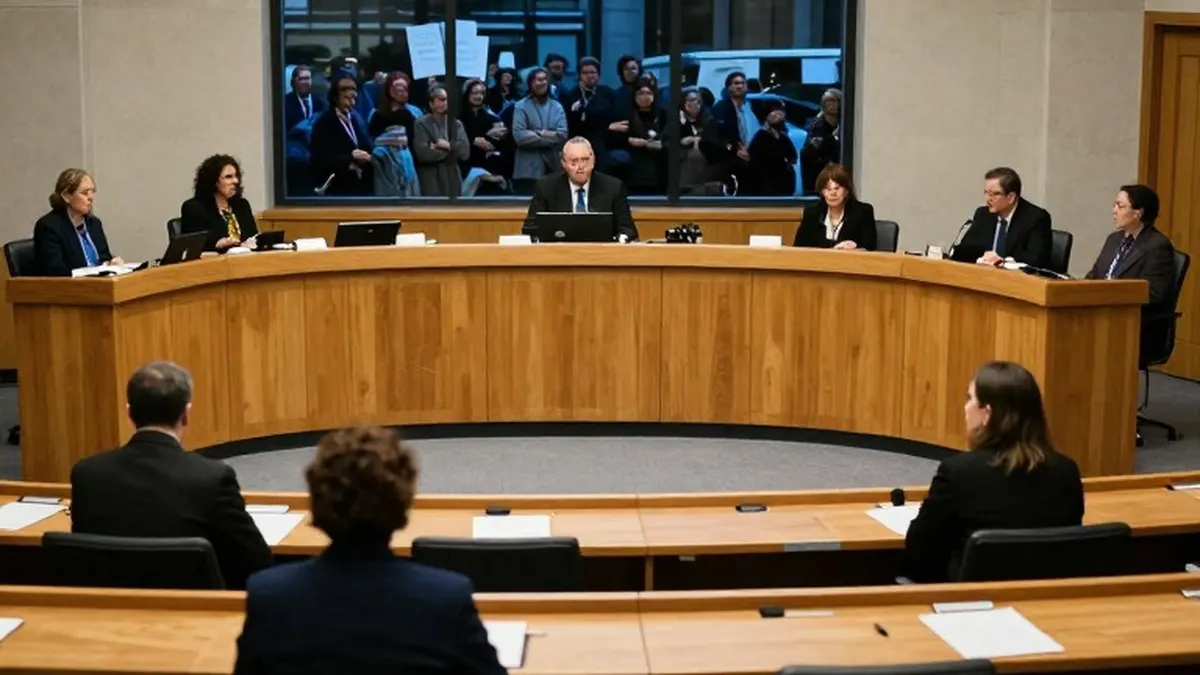
Internal tensions became visible when leftist protesters repeatedly interrupted Jeffries on Friday, accusing him of insufficient resistance to the Trump administration and neglecting younger Democratic voters. Outside, one small group demanded leadership changes and Schumer’s replacement, while a larger group supported Palestine and criticized billionaires. Progressive Democrats had a limited presence on the main stage and have expressed strong frustration with the party establishment.
North Carolina Democratic party chair Anderson Clayton, 28, questioned the party’s lack of investment in the South, particularly in Black districts whose voters support Democrats. Cincinnati mayor Aftab Pureval cautioned that electoral success should not be mistaken for public enthusiasm for the party. He argued that voters had given Democrats another opportunity to respond to their needs.
Other attendees were less concerned about factional divisions. Yasmin Radjy, executive director of the progressive grassroots organization Swing Left, said the progressive-versus-moderate distinction did not adequately explain the current political moment. Although the conference was branded as moderate, she described a varied gathering whose leaders were discussing how to broaden support and produce substantial results.
Originally published by News Media House