Brita Pitches $15-$45 Price Range for New Water Filters
The company's standard and premium pitchers, designed for household use, offer capacities of 6 and 10 cups and feature electronic tracker systems.
By Noor Graham ·
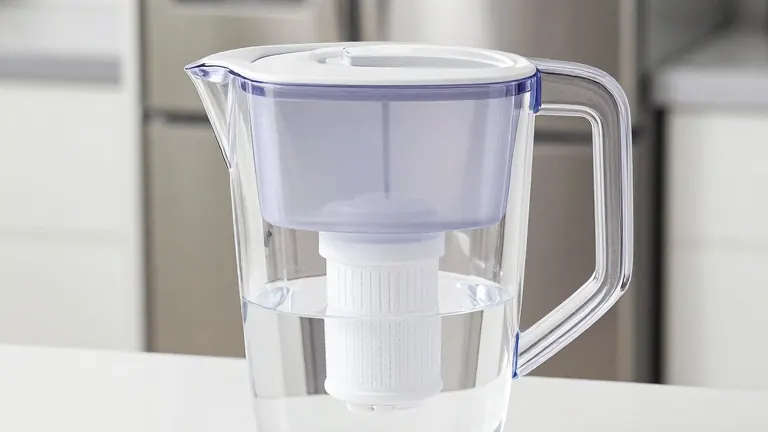
Brita has set a price range of $15 to $45 for its current line of water filter pitchers. The company, which has operated for more than 50 years, offers two primary models for home use: the 10-Cup Standard Everyday Pitcher and the Original 6-cup Small Plastic Water Filter Pitcher. Both units are engineered to fit on standard refrigerator shelves, allowing users to keep filtered water cold without relying on single-use plastic bottles.
The company's product strategy targets consumers who prefer tap water but wish to improve its taste or reduce specific contaminants. According to the CDC, the United States maintains one of the safest water supplies globally. However, the agency notes that tap water can still face contamination from sewage releases, natural chemicals, fertilizers, pesticides, and system malfunctions. Brita addresses these concerns through two distinct filter technologies. The Standard filter uses a mesh screen and activated carbon to remove odors and tastes, while also incorporating an Ion Exchange Resin to capture copper, zinc, and cadmium.
For households seeking additional protection, the company offers Longlast+ filters. These units include pleated material designed to help reduce lead, asbestos, and cadmium. Brita also provides a stream filter option that processes water during pouring, allowing the pitcher to fill more quickly. This trade-off means that filling a glass takes slightly longer than with the standard reservoir method.
Consumers evaluating these products are advised to check physical dimensions before purchasing. While Brita designs its pitchers to fit in refrigerators, shelf heights vary by appliance. Users must measure their own refrigerator space to ensure compatibility. Additionally, most modern models include an electronic filter tracker built into the lid. This device counts the number of times the pitcher is filled and alerts the user when a filter replacement is due. If the tracker battery dies, the filtering process continues, but the user must manually log the replacement date.
Cleaning the pitcher is a required maintenance step. The company manual recommends cleaning the unit periodically, which aligns with the standard filter replacement cycle. A two-month interval is suggested for this task. Users should disassemble the pitcher, wash all parts by hand with mild dish detergent and a nonabrasive sponge, rinse thoroughly, and allow components to dry completely before reassembling. The 10-Cup Standard model is noted for its large capacity and locking lid, though some users reported it can be difficult to take apart for cleaning. The 6-cup model offers a space-saving design with an ergonomic handle, but owners have reported leaks if the pitcher is tipped backward.
The company states that the 10-Cup Standard Everyday Pitcher is compatible with both Longlast+ and Standard filters. It is built for high-volume households where refilling a smaller container frequently would be inconvenient. The 6-cup Original model is positioned for users with limited refrigerator space or those who consume smaller quantities of water at a time. Prices for these items are subject to change from the current publication date.
Health organizations provide specific hydration targets that inform the choice of pitcher size. The Mayo Clinic estimates that men need approximately 99 ounces of water daily, while women need about 74 ounces. These figures vary based on exercise, environment, and individual health. A user drinking the full recommended amount for a man would need to fill the 10-cup pitcher, which holds 80 ounces, more than once a day. The 6-cup model, holding 48 ounces, would require multiple refills to meet the same daily target.
The product line aims to replace bottled water by offering a cost-effective and environmentally friendly alternative. The 10-Cup Standard Everyday Pitcher is the top pick for most consumers due to its capacity and refrigerator fit. The 6-cup model serves as a secondary option for those with space constraints. Both models rely on the user to monitor filter life and maintain the unit's hygiene to ensure consistent water quality.
Source: The News-Herald
More Business · Consumer Watch · Report a business · Got a Story?