Chicago Musicians Seek Legal Guardrails Against AI Audio
A coalition of local artists rallied this week to demand copyright protections for human-composed works.
By Sakura Ellis ·
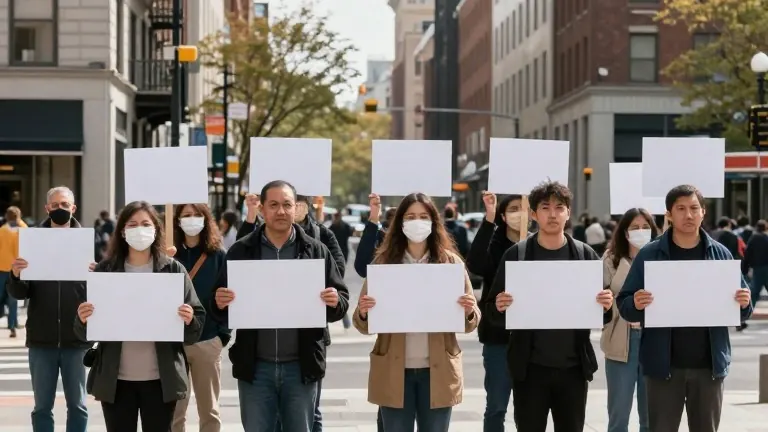
Over a dozen musicians gathered in Chicago to demand legal safeguards against the rising use of artificial intelligence in music production. The group argues that current copyright laws fail to protect human creators from automated systems that mimic their styles without permission. This conflict sits at the center of a growing debate over how technology intersects with creative labor and intellectual property rights.
The rally brought together a diverse group of local performers, including songwriters, producers, and vocalists who have witnessed AI tools replicate their work. They called for specific legislative changes that would require clear attribution and consent when machine learning models are trained on existing musical catalogs. The participants emphasized that while they are not opposed to technology, they want defined boundaries to ensure artists retain control over their sonic identities.
A key point of contention is the definition of originality in an era of generative audio. Musicians at the event noted that AI platforms can generate new tracks that sound identical to established artists, often without any financial compensation or credit to the original creator. The coalition proposed that new laws should establish a fair compensation framework for these digital reproductions, ensuring that human labor is valued in the production chain.
The group also highlighted the impact of AI on the broader music industry ecosystem. They pointed out that automated tools are increasingly used in major label A and R processes, potentially flooding the market with low-cost, AI-generated content. This influx threatens to overshadow independent artists and working musicians who rely on live performance and traditional recording to earn a livelihood. The rally served as a public demonstration of the sector's demand for equitable digital standards.
Local music advocates and legal experts joined the musicians to provide context on existing copyright frameworks. They explained that current laws were written before the advent of large-scale machine learning, leaving gaps in how training data is classified. The coalition is now working with legal teams to draft proposed language that could be presented to state and federal legislators. This collaborative effort aims to create a model bill that other cities could adopt if the initial proposal gains traction.
The movement reflects a wider trend among creative professionals seeking to adapt to digital transformation. While the technology continues to evolve, the artists in Chicago have positioned themselves as proactive stakeholders rather than reactive critics. They plan to hold monthly meetings to track legislative developments and to educate the public on the nuances of music copyright. The group remains focused on securing tangible legal protections that will benefit working families in the creative arts sector.
Source: The Macomb Daily