Democrats seize both chambers, setting stage for Iran war and oversight battles
With control of the House and Senate, Democrats will immediately target the Iran conflict and education policies, facing a Republican president ready to veto.
By Sakura Ellis ·
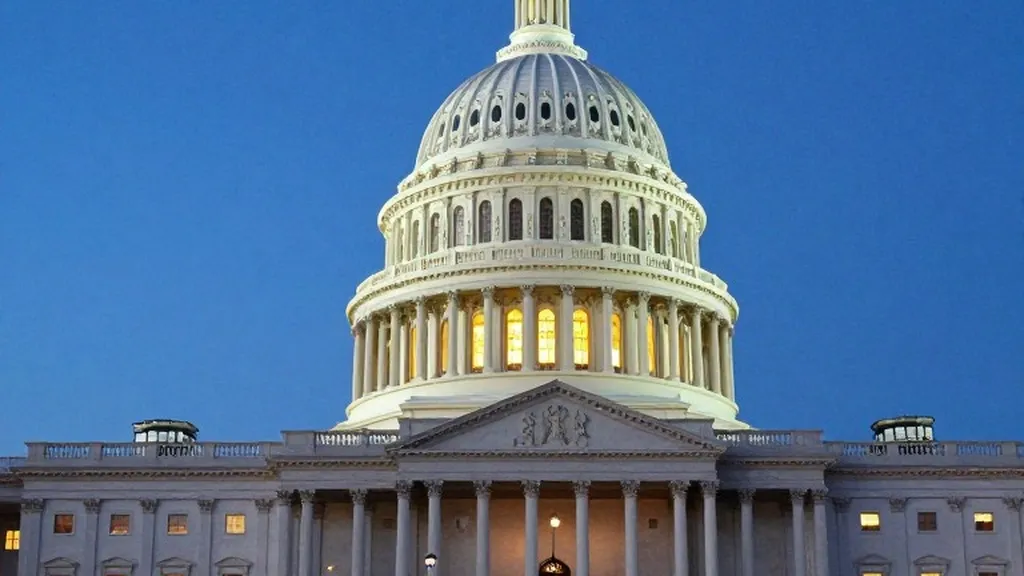
The 2026 midterm elections delivered a decisive shift in power, with Democrats winning majorities in both the U.S. House and the Senate. According to results reported by Ballotpedia, Democrats picked up at least 43 House seats and seven Senate seats, all of which were previously held by Republicans. This net loss of at least seven Senate seats places the election in the top 20% of historical years for seat swings against a president's party, a threshold that defines a wave election. With results reported as of 4 p.m. EST on November 6, Democrats hold at least a 250-157 majority in the House and a 54-44 majority in the Senate. This change in control marks the first time since before the 2010 elections that Democrats hold a majority of governorships and a plurality of state government trifectas.
Leadership in the new Democratic-controlled Congress has already signaled a focus on holding the Trump administration accountable, particularly regarding the war in Iran. Rep. Thomas Massie, a Kentucky Republican who was defeated in a primary earlier this year, moved to force a vote to impeach Defense Secretary Pete Hegseth. Massie argued that Hegseth's actions in the conflicts with Iran, Yemen, and Venezuela amounted to high crimes and misdemeanors. He stated that Hegseth knowingly executed and implemented unlawful orders and remains a threat to the Constitution. The resolution was introduced on the first day of the new House session, highlighting the immediate tension between the new majority and the current executive branch.
House Democratic Leader Hakeem Jeffries supports the impeachment measure, meaning Massie only needs support from a few Republicans to pass the article. Sen. Chuck Schumer, the Democratic leader in the Senate, endorsed the push, stating that Hegseth must stand trial before the Senate. This move comes as President Trump lashed out at Massie, calling him a loser with a lot of hatred in his heart. The impeachment effort is seen as a way to apply political pressure and uncover how decisions regarding military actions were made, even if it does not immediately halt the administration's agenda. The vote in the House could come by mid-week, with the outcome likely to fall to the Senate for a trial if the House votes to impeach.
Beyond the Iran conflict, Democrats are preparing to use their new majorities to push back against the dismantling of the U.S. Education Department. Rep. Bobby Scott, the top Democrat on the House Committee on Education and the Workforce, said he plans to leave no rock unturned in investigating the administration's policies. The committee will explore the dismantling of the department, oversight of federal student loans, and anti-discrimination policies. Sen. Elizabeth Warren called on Democrats to hold the administration accountable for turning its back on students. These oversight efforts are expected to be a central feature of the new Congress's first days in power.
Democrats are also looking to the appropriations process as a tool to rein in the administration's education agenda. Sen. Chris Van Hollen, a member of the Senate Appropriations Committee, noted that there will be an interest in using the power of the purse to establish guard rails. He described this as a way to stop the bleeding, even if it does not fully reverse the dismantling that has already occurred. Last year, Democrats failed to secure broad language in a funding bill to block further dismantling of the Education Department. With majorities in both chambers, they are preparing to try again, potentially adding conditions to spending bills to prevent abusive practices and protect federal funding for higher education.
The new Democratic control also means a shift in the balance of power in state governments across the Great Lakes and Ohio Valley. In Michigan, voters decided on an open Senate race and an open governor race, with polls open from 7 a.m. to 8 p.m. In Ohio, there was no Senate race, but voters chose a new governor in an open seat, with polls open from 6:30 a.m. to 7:30 p.m. Kentucky voters also decided an open Senate race, with polls open from 6 a.m. to 6 p.m. West Virginia voters chose to retain incumbent Shelley Moore Capito in the Senate race, with polls open from 6:30 a.m. to 7:30 p.m. These state-level outcomes will influence the broader national political landscape as the new Congress convenes.
President Trump has threatened to use his veto power to block Democratic legislation, creating a potential gridlock on key issues. Education Department spokesperson Savannah Newhouse accused Democrats of plotting to prematurely sabotage Education Secretary Linda McMahon. White House spokesperson Liz Huston accused Democrats of failing American students with disastrous leadership before Trump returned to office. Despite these threats, Democrats believe their new majorities give them the leverage to push for investigations and funding conditions. The administration has given no sign of backing away from its campaigns to close the Education Department and end diversity, equity, and inclusion policies.
The election results also reflect a broader trend of voters seeking change in the face of high costs of living and ongoing geopolitical conflicts. Democrats won a majority of governorships, a first since before the 2010 elections. This win, combined with the control of Congress, provides a strong platform for the party to address issues such as health care and oversight of the administration. The Republican money edge and redistricting were seen as significant obstacles, but the scale of the Democratic victory suggests a strong mandate for change. The new Congress will face the challenge of implementing these changes while dealing with a president who remains determined to execute his agenda.