Trump's $5,000 Dividend Promise Faces Reality Check After Midterm Loss
Despite a Democratic sweep of Congress, Speaker Johnson insists the payout requires legislative approval, while PolitiFact notes the funding remains highly uncertain.
By Rebecca Svoboda ·
The $5,000 "Trump dividend" that President Donald Trump pledged to every American adult in Dallas has entered a period of heightened scrutiny following the November 3 midterm elections. At the Republican National Convention, the President promised the check would be issued if Republicans maintained control of both the House and the Senate. That condition was not met, as Democrats secured majorities in both chambers, taking at least 250 House seats and 54 Senate seats. Yet the political debate over the promise has intensified, with the Speaker of the House asserting that the payment is still possible if Congress acts.
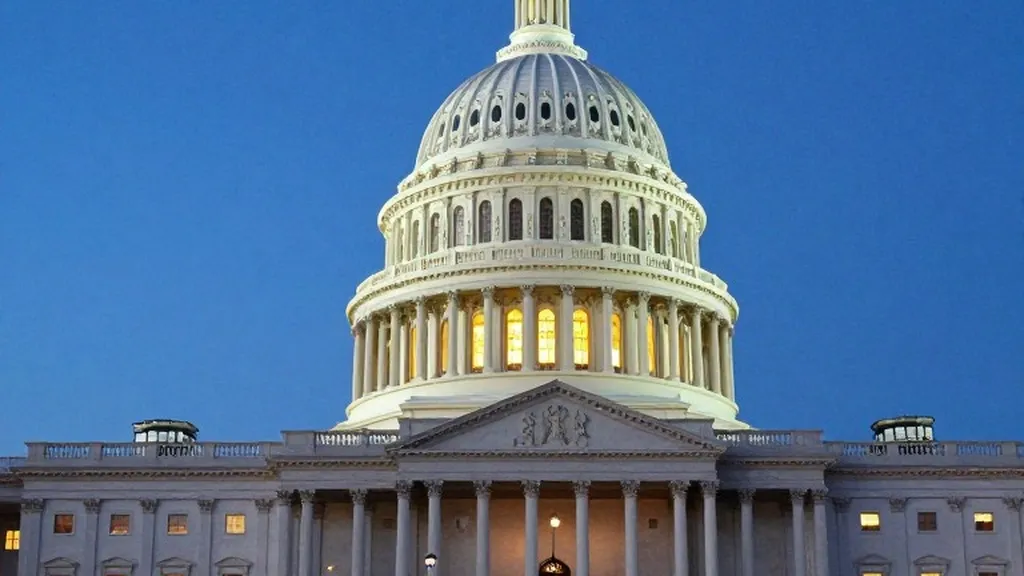
House Speaker Mike Johnson, a Republican from Louisiana, stated that the proposal requires congressional approval. He told reporters that he would work to implement the President's idea despite the new partisan balance. "I would assume, yes, he'd need Congress to act, and that is a creative idea," Johnson said. He further committed to finding consensus on the matter, noting that the President is known for his big ideas. This position stands in contrast to earlier remarks by the President, who suggested that Congress might not need to authorize the spending, though he did not specify how he would bypass lawmakers to spend over a trillion dollars.
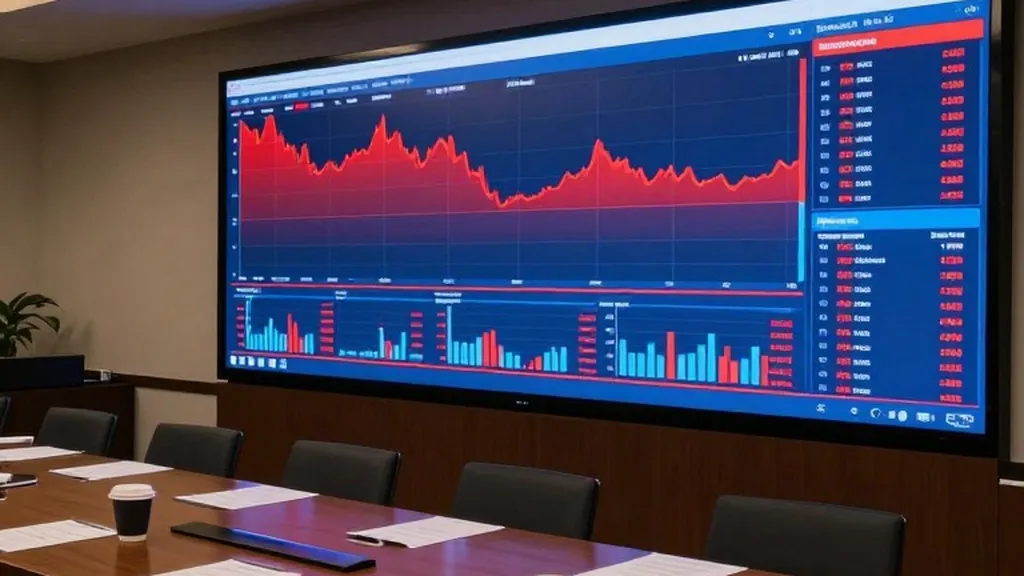
The cost of the dividend is a central point of contention. The U.S. Census Bureau estimates there are approximately 245 million adult U.S. citizens, meaning a $5,000 payout to each would cost roughly $1.2 trillion. This figure is not included in the current federal budget, which already faces a nearly $1.8 trillion annual deficit. Critics argue that adding such a massive expenditure would exacerbate existing concerns about inflation and the national debt. The President has cited tariff revenues as a potential funding source, a claim that has drawn significant skepticism from economic experts.
Erica York, a senior economist at the Tax Foundation, noted that the cost of the checks would consume almost all the revenue projected from new tariffs over a decade. She described the plan as unlikely to happen, pointing to the administration's previous unfulfilled promises, including a $2,000 tariff dividend and a $5,000 "DOGE dividend" proposed by Elon Musk. The administration has announced no formal plan for how these checks would be distributed, leaving details on timing and eligibility unclear. The White House press release offered little information beyond the initial promise, leading to questions about the logistics of such a large-scale payout.
Bipartisan criticism has emerged regarding the timing and intent of the promise. Some Republicans, including Texas Representative Chip Roy, have questioned the price tag, with Roy describing dependency as "evil and soul-sucking." Democratic figures have also weighed in, with Senator John Fetterman making a surprise appearance at the convention to contrast his party's approach with the Republican agenda. Election law experts, such as Rick Hasen from the UCLA School of Law, have noted that while the promise is likely legal under the First Amendment, it does not guarantee the President the power to unilaterally issue the funds without congressional cooperation.
The political landscape in the Great Lakes and Ohio Valley regions reflects the broader national shift. In Ohio, polls were open from 6:30 a.m. to 7:30 p.m., and the state saw a change in the U.S. Senate, with Democrats winning the seat previously held by a Republican. The governor's race was also an open seat. In Michigan, polls opened at 7 a.m. and closed at 8 p.m., with Democrats winning both the open Senate seat and the open governor's race. Kentucky, where polls were open from 6 a.m. to 6 p.m., also saw a change in its Senate seat, which went to the Democrats. West Virginia, with polls open from 6:30 a.m. to 7:30 p.m., retained its incumbent Republican senator, Shelley Moore Capito.
Speaker Johnson's assertion that the dividend needs congressional approval places the ball in the court of the new Democratic-led Congress. With Democrats holding the majority in both chambers, the path to enacting the payment is fraught with procedural hurdles. The President has vowed that the $5,000 payment is "going to happen, 100%," but the lack of a detailed legislative plan remains a significant obstacle. The new Congress will have to decide whether to pursue the President's proposal or focus on their own legislative agenda, which includes oversight of the administration and addressing issues such as the cost of living and health care.
The promise of the Trump dividend has become a symbol of the broader debate over the role of the federal government in the economy. For many voters, particularly in states like Ohio and Michigan where economic concerns were paramount, the issue of affordability and inflation played a crucial role in their decision to vote. The AP Voter Poll found that three-quarters of voters said the economy is "not so good" or "poor," and about 8 in 10 said inflation has caused a severe or moderate financial hardship. This economic anxiety likely contributed to the Democratic wave in the midterms.
As the new Congress convenes in January, the question of the Trump dividend will likely be one of the first major tests of the relationship between the President and the legislative branch. The President's history of promising large payouts, some of which have materialized and others that have not, adds a layer of complexity to the discussion. The administration's claim that the economy is strong enough to support the payment contrasts with data showing weak consumer sentiment and rising gasoline prices due to the war with Iran. The coming months will reveal whether the promise remains a campaign slogan or becomes a legislative reality.