Democrats flip three southern Senate races
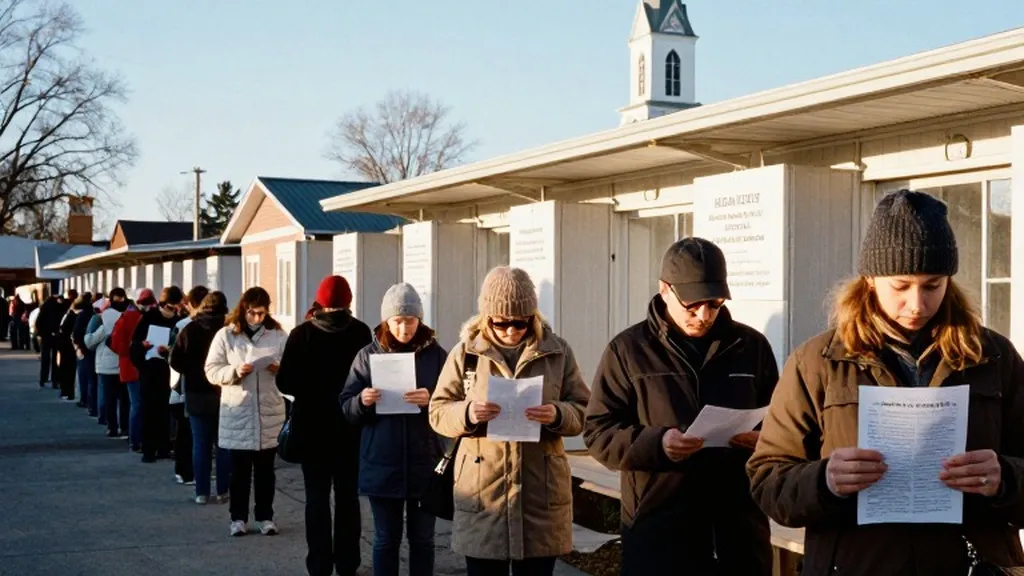
Voters in South Carolina, North Carolina, and Georgia rejected Trump-backed candidates on Tuesday, handing the White House a sharp midterm setback.
By Noor Graham ·
Midterm elections have historically punished the party holding the White House, a pattern that held true on Tuesday night in the South.
President Donald Trump faced a sharp rebuke when voters in three key states chose Democratic candidates for the U.S. Senate. The defeats marked a significant shift in regional control for the Democratic Party.
In South Carolina, Annie Andrews defeated Republican Darline Graham. Graham is the sister of the late Sen. Lindsey Graham and a close ally of the President. Trump had urged voters to support Graham and campaigned with her twice in the final weeks. Her loss gives Democrats a Senate seat in the state for the first time in more than 20 years.
North Carolina also flipped to the Democrats. Roy Cooper defeated Republican Michael Whatley. Whatley was a close Trump ally. The seat had been vacant after incumbent Thom Tillis retired following a clash with the President.
In Georgia, Democrat Jon Ossoff won against Republican Mike Collins. Collins faced scrutiny over ties to a white nationalist and an unresolved ethics investigation. Trump won all three of these states in the 2024 presidential election.
The President watched the returns at the White House with his Cabinet members. He had spent the campaign telling voters to pretend he was on the ballot. When results began to lean Democratic, he posted on social media that he was not on the ballot and that he would have won in a landslide if he had been.
Sen. Andy Kim of New Jersey noted that the President's presence in the campaign worked as intended for Democrats. Kim said everyone was thinking about Trump and the direct harm his policies caused. This sentiment aligns with a recent AP Voter Poll showing about two-thirds of national voters say Trump’s policies worsened economic conditions.
The same poll found that about two-thirds of voters believe tariff policies hurt the national or local economy. More than half of voters said Trump is not a strong leader or does not have the right priorities. About 6 in 10 voters said he prioritizes personal interests over the country's.
Democrats are now positioning themselves to use a majority in Congress to investigate the administration. Senior Democrats named the Trump family business dealings and the Epstein file as top targets. Hakeem Jeffries, a potential House Speaker, said the first move would be to run Defense Secretary Pete Hegseth out of town.
The White House expects to use executive privilege to slow investigations. Trump said he has a strong veto to counter legislative changes. The result leaves the President with diminished political capital ahead of the 2028 cycle.