Lebanon's Energy Costs: Palestinian Refugees Face Economic Squeeze
Inflation and restricted labor rights are forcing camp residents to close businesses and consider risky sea routes to Europe.
By Rebecca Svoboda ·
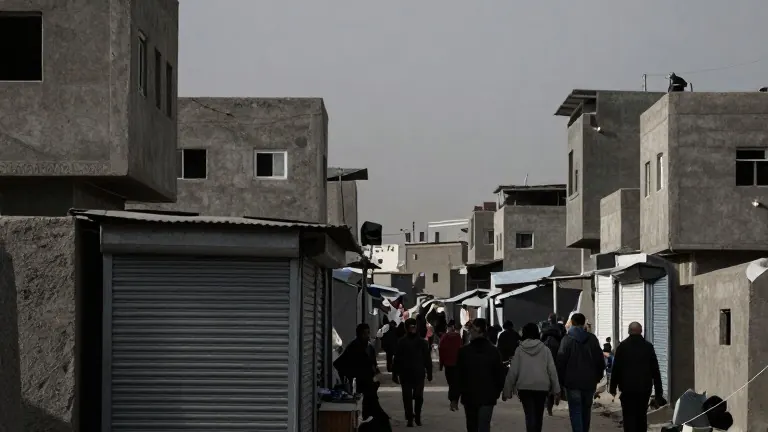
Rising energy prices and inflation are deepening the economic crisis for Palestinian refugees in Lebanon, where structural barriers prevent many from entering professional fields. Osama Najjar, an aluminium shop owner in the Beddawi refugee camp in Tripoli, closed his business in early 2024 after he could no longer cover bills or maintain inventory. Since then, he has struggled to find consistent work, citing high electricity costs as a primary burden.
Najjar is part of a community that has faced labor restrictions for decades. Lebanese law bars Palestinians from working in professions such as medicine, law, engineering, and pharmacy without specific permits. Although a 2021 decree sought to ease some professional barriers, experts note that implementation has been limited. Elia Ayoub, a UK-based researcher, described the treatment of Palestinians as discriminatory, pointing to their exclusion from land ownership and parliamentary representation.
The economic pressure is intensifying against a backdrop of national instability. The World Bank predicts Lebanon’s inflation could reach 17.5 percent in 2026. The state provides only a few hours of electricity daily, forcing residents to rely on expensive private generators. This cost burden hits camp residents particularly hard, as many depend on small businesses for survival due to their limited access to the formal job market.
Aid agencies that support these communities are also facing financial strain. UNRWA, which serves approximately 222,000 Palestinians in Lebanon, reported a potential deficit of $200 million between late 2026 and early 2027. This shortfall follows funding cuts in 2024 after Israel alleged, without evidence, that UNRWA employees participated in the October 7, 2023 attacks. While many nations have since reinstated funding, UN Secretary-General Antonio Guterres warned of a $100 million shortfall in July.
As local conditions deteriorate, more refugees are turning to maritime routes toward Europe. Data from the Friedrich Naumann Foundation shows that vessels leaving Lebanon doubled between 2020 and 2021, followed by a 121 percent increase in 2022. In 2022, at least 86 people died when a boat sank off the coast of Syria, a route frequently used by camp residents. Najjar noted that conversations about traveling to Turkiye and then Greece are now common in the camps.
The European Union approved a support mission to Lebanon in late October to strengthen security forces, including maritime security governance. This move comes as the cost of living becomes unsustainable for many. Despite legal adjustments like the February 2026 mechanism allowing nursing students to apply for employment sponsorship, structural exclusion remains. For residents like Najjar, the lack of economic relief continues to drive the search for alternatives, however risky.
Source: Al Jazeera