Michigan State Funds Half-Cost Electric Garbage Trucks
A $4 million grant program targets three metro counties to replace diesel vehicles with battery-powered units.
By Noor Graham ·
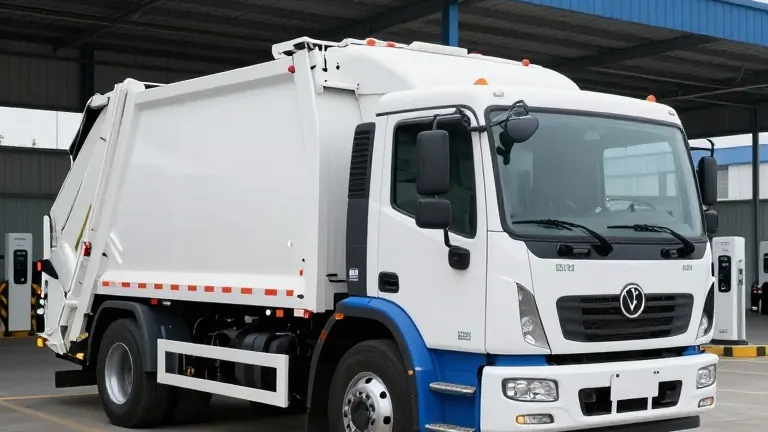
The Michigan Department of Environment, Great Lakes and Energy has launched a funding initiative to help local fleets swap out diesel garbage trucks for battery-electric models. The state is putting over $4 million toward this goal through a series of grants.
Under the program structure, the state covers 50% of the purchase price for each new vehicle. The remaining cost falls to the local government or private waste management company receiving the truck. Department officials estimate that this funding level allows for the acquisition of approximately 20 new vehicles. This calculation assumes a baseline price of $500,000 per truck.
The department has designated Macomb, Oakland, and Wayne counties as priority areas for these grants. Officials identified these regions as locations where long-standing environmental and public health challenges are most acute. The grant program is intended to reduce diesel emissions and support the deployment of advanced heavy-duty vehicle technologies.
Municipal operations are already testing these vehicles in the state. In Ann Arbor, four of the city’s 28 garbage trucks are currently electric. Simi Barr, a senior analyst for municipal operations, noted that infrastructure remains the primary hurdle for other communities. She stated that charging infrastructure is a main consideration, specifically regarding what it takes to ensure vehicles are charged and available for their daily shifts.
Barr also pointed out that route design influences the viability of electric refuse trucks. Rear-load and side-load systems involve more stop-and-go driving. This traffic pattern allows batteries to recharge through regenerative braking, which extends vehicle range. Haaker Refuse, a California-based dealer for McNeilus Refuse, cites low energy costs per mile and the absence of tailpipe emissions as key benefits of the electric transition.
The state’s department described the grants as tools to improve air quality and protect public health while helping fleets modernize their operations. The funding is part of the state’s decarbonization efforts. No specific application deadline was listed in the initial announcement.
The department will monitor the distribution of funds to ensure they reach the designated priority counties. Local agencies interested in the grants will need to coordinate with state officials regarding infrastructure requirements and vehicle specifications.
Source: Planet Detroit