Midterm wins clear path for $75 billion in U.S. clean energy
Democrats control both chambers of Congress, and investors expect fewer hurdles for wind, solar, and battery projects.
By Noor Graham ·
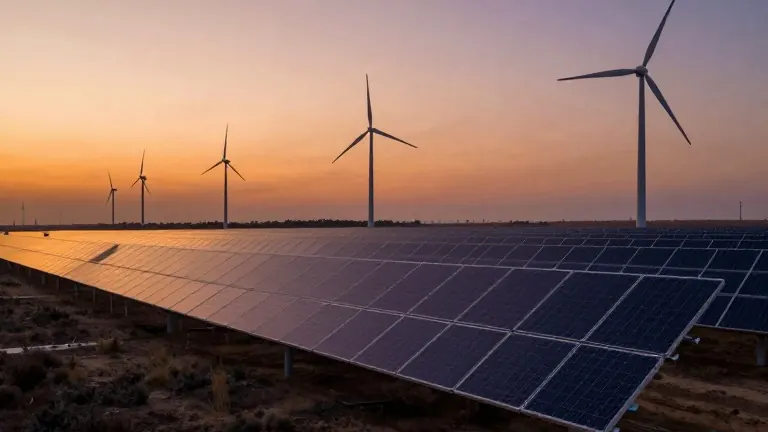
Democratic control of the House and Senate following the November midterms removes a key barrier for clean energy projects. Analysts say the new congressional balance reduces the risk of further policy shifts that stalled investment under the Trump administration. This stability allows companies to plan long-term construction for wind, solar, and battery storage without fearing sudden regulatory changes.
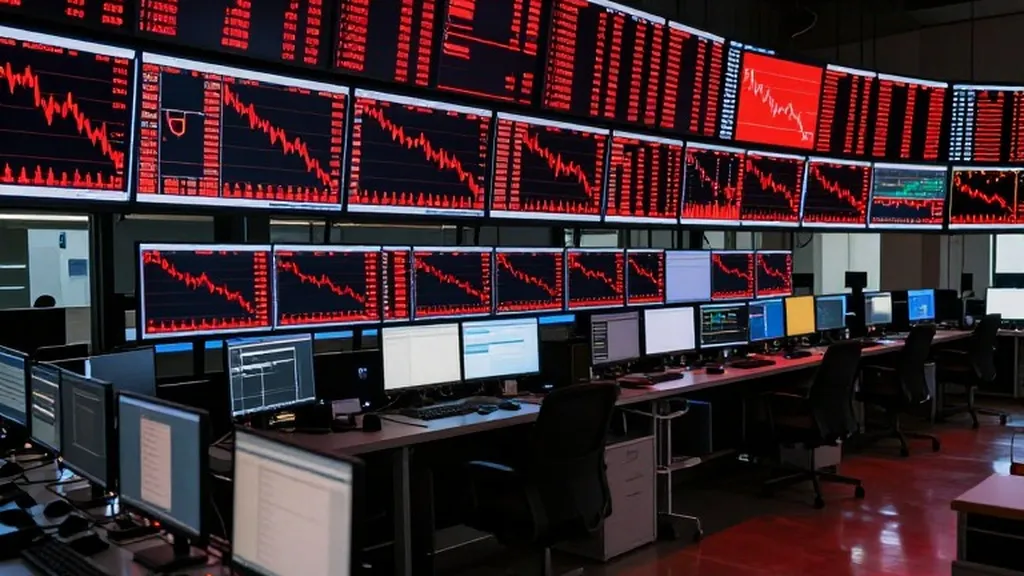
Financial markets reacted immediately. Clean energy and solar stocks rose as traders priced in lower political risk. Barclays analysts noted that the current setup protects the long-term economics of U.S. renewable investments. While the President retains veto power, the new House and Senate may encourage some Republicans to support overriding vetoes to address voter concerns about high energy prices.
Capital flows into the sector remain strong. The Clean Investment Monitor, a joint project of Rhodium Group and MIT, reported that U.S. investment in clean energy and transportation reached $75 billion in the second quarter of 2026. That amount is a 22 percent increase from the previous quarter. Over the past four quarters, investors have put $277 billion into renewable energy manufacturing, non-fossil fuel vehicles, and carbon management technologies.
Physical infrastructure is expanding rapidly. The United States is on track to add 89 gigawatts of clean energy capacity by the end of 2026. In the first half of the year alone, builders installed 11.5 gigawatts of solar, 8.3 gigawatts of battery storage, and 6.3 gigawatts of wind power. Manufacturing capacity for solar modules, wind blades, and nacelles grew by roughly 50 percent from the first quarter of 2025 to the third quarter of 2026.
Data center construction drives much of this demand. Voters in 10 states approved 40 of 41 local initiatives aimed at regulating or restricting new data center construction, often citing energy and water usage. White House economic advisor Kevin Hassett stated that data centers scheduled for construction over the next couple of years are not significantly affected by these ballot measures. Justina Lai, chief impact officer at LNW, noted that renewables remain the lowest cost form of new-build generation, even without subsidies.
Legislative deadlines accelerate project timelines. The One Big Beautiful Bill Act requires solar and wind projects to begin construction by July 4, 2026, or be in service by the end of 2027. This urgency has driven strong investment in utility-scale solar and storage. Nearly $600 billion remains available from the Bipartisan Infrastructure Law and the Inflation Reduction Act, providing a pipeline for developers.
Venture capital in climate technology hit $26 billion in the first half of 2026, a 55 percent year-over-year increase. Investors are funding next-generation technologies, including advanced fusion, floating offshore wind, and solar-plus-storage operations. The Global Impact Investing Network’s 2026 survey found that 56 percent of impact investors have funds allocated to clean energy, with 25 percent planning to increase those allocations over the next five years.
More Business · National news · Consumer Watch · Report a business · Got a Story?