St. Louis nurses create loss care standard
A nonprofit founded by labor and delivery nurses is defining protocols and providing comfort kits for families who lose a baby.
By Rebecca Svoboda ·
In St. Louis, a group of labor and delivery nurses has established a new benchmark for bereavement care. The organization addresses a gap in the medical profession where no standard protocol previously existed for families experiencing unexpected infant loss.
The nonprofit was founded by nurses who witnessed the emotional strain on staff when caring for mothers who had suffered a loss. Kayla Hollingshead noted that while most diagnoses carry a standard of care, families who lose a baby often lacked that same structured support.
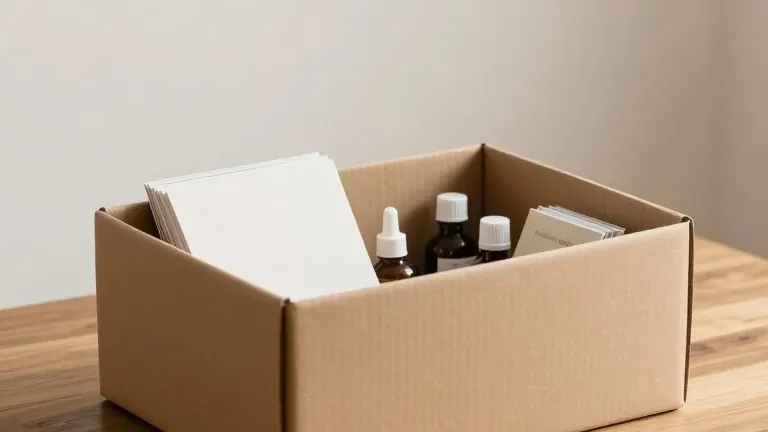
The group created a new standard of care that extends to administrative interactions. It dictates how office staff speaks to families during difficult times. The organization also assembles comfort kits containing books, cards, and self-care items. These packages are mailed to families around the world.
This initiative follows a broadcast episode focused on aging and health. The program featured strategies for caregivers managing stress. “Sam” Cradduck, a gerontologist, advised caregivers to leave the room and calm down when a conversation begins to escalate. Amy O’Rourke, an aging expert, warned that specific words can intensify conflict. She identified no, you, always, never, don’t, and you can’t as terms that can trigger tension.
The episode also examined gout, a condition described by Dr. Rhea Rogers as common and painful. Rogers explained that the pain often centers on a big toe that becomes red and throbbing. The condition begins when uric acid builds up in the blood, causing crystals to form in joints and tissues. The immune system then treats these crystals as foreign objects. Rogers stated that this buildup can indicate larger health issues.
The broadcast also covered the preservation of vintage vehicles. The Ford Motor Company produced the Model A for a limited time between 1927 and 1931. Ford manufactured roughly 5 million of these cars during that period, though only a fraction remain today. Stew Wolfe, vice president of the Old Dominion Model A Ford Club, said the group helps keep these iconic engines running. He noted that the cars generate excitement, particularly among children, when the clubs sound their horns.
The program is provided for educational and informational purposes. It does not constitute medical advice or professional services. Viewers should consult a licensed physician for personal medical advice. A physician-patient relationship is not created by the use of the program or its content.