Voters Decide Congressional Control in Midterm Tests of Trump Agenda
Democrats seek to flip four Senate and three House seats to check the president, while economic and immigration concerns dominate the national ballot.
By Sakura Ellis ·
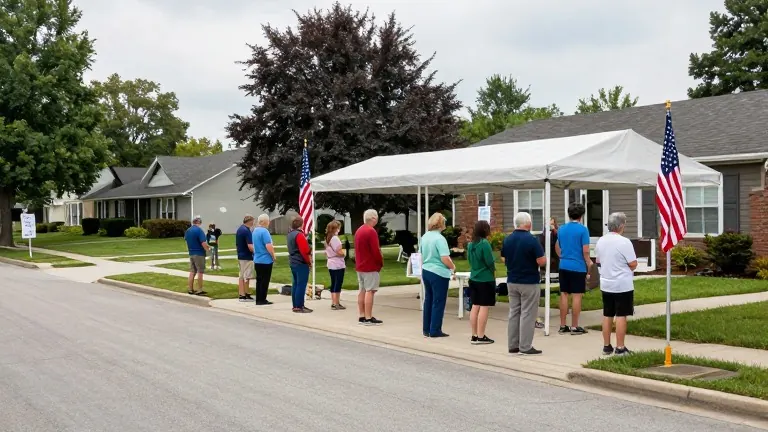
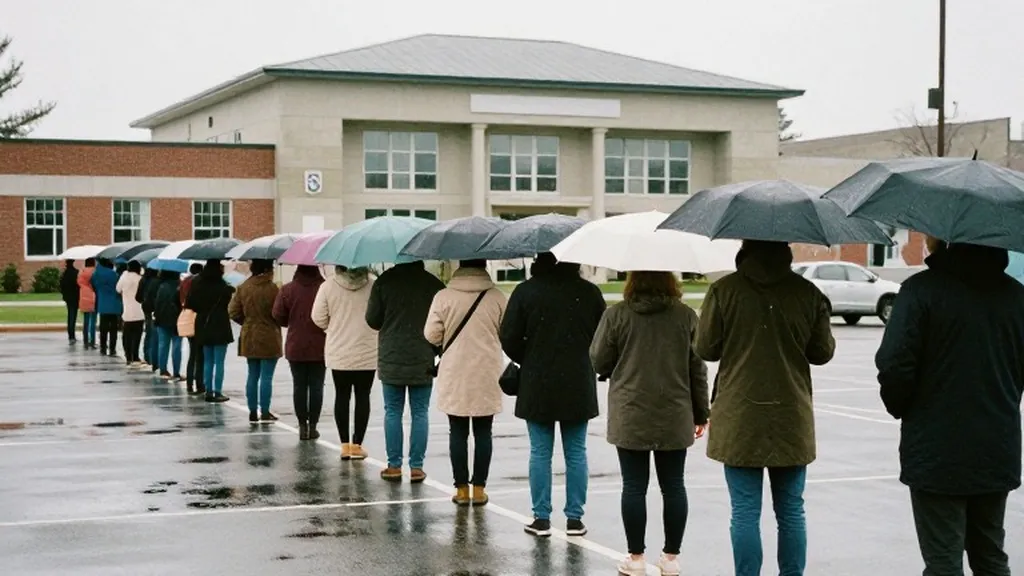
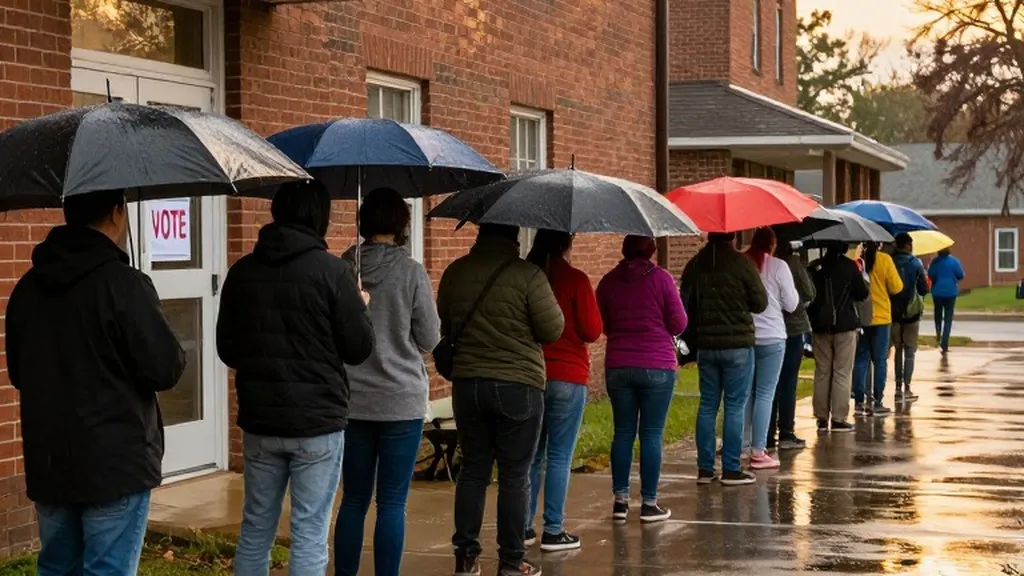
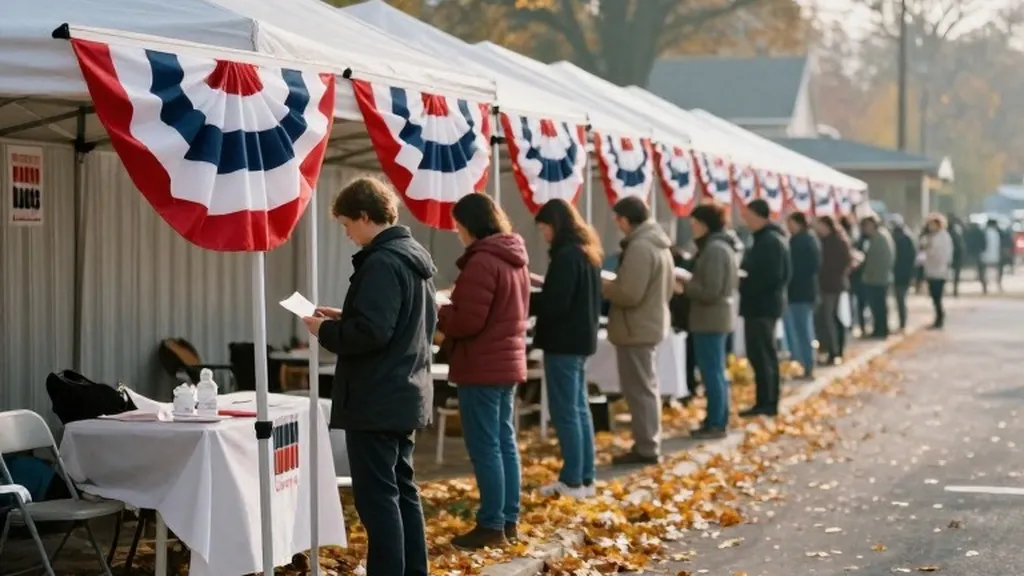
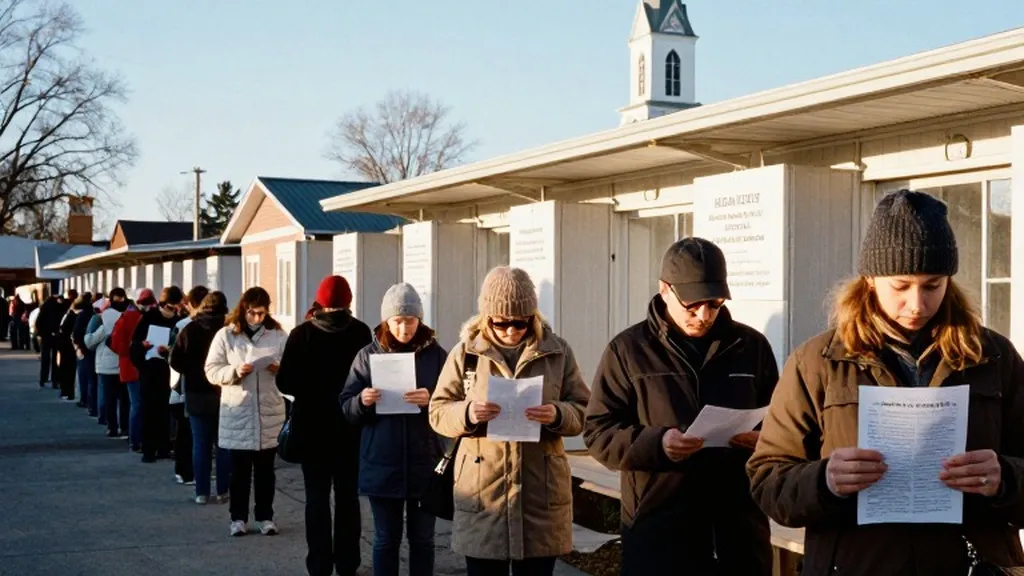
American voters cast ballots on Tuesday to determine which party controls the U.S. House and Senate, a decision that will shape the legislative landscape for the final two years of President Donald Trump's second term. Democrats must win four Senate seats and three House seats to reclaim majority control from Republicans. A Democratic victory would provide a mechanism to challenge the president's policy agenda and launch oversight investigations.
The contest centers on seven key Senate races in Alaska, Iowa, Kansas, Maine, Michigan, Ohio, and Texas. House battlegrounds are distributed across the country, with outcomes in heavily Latino districts in Arizona, California, Colorado, Florida, and Texas potentially determining the House majority. The path to a House flip relies heavily on these swing voter blocs, where approximately 60% of Hispanic adults disapprove of the president's handling of the presidency, according to an Associated Press-NORC Center for Public Affairs Research poll released in October.
The political climate leading into Election Day is defined by economic dissatisfaction and shifting social dynamics. Inflation currently runs at 3.7% annually, up from 3% at the start of the president's second term. This increase is attributed to tariffs implemented last year and rising energy costs resulting from the conflict with Iran. Consumer sentiment has dropped to levels lower than those seen during recent recessions, despite an unemployment rate of 4.2%.
In Michigan, Democrat Abdul El-Sayed challenges Republican Mike Rogers for a Senate seat vacated by retiring Senator Gary Peters. El-Sayed aims to become the first Muslim elected to the U.S. Senate, while Rogers seeks to become the first Republican to win a Michigan Senate race in over three decades. The campaign has featured sharp exchanges, with El-Sayed calling Rogers a "puppet" for Trump and Rogers accusing El-Sayed of ties to the Muslim Brotherhood.
Mid-decade redistricting altered the boundaries of approximately one-third of congressional districts ahead of this election. An analysis by the Associated Press found that while individual district demographics and partisan leanings shifted dramatically, the national House map did not tilt significantly toward either party. Millions of voters are casting ballots in these new districts, which may influence the outcome in closely contested states.
In Iowa, voters are selecting a new governor and senator after incumbent Republican Governor Kim Reynolds and Senator Joni Ernst opted out of reelection. The openings have given Democrats a chance to appeal to voters concerned about high grocery and gas prices, manufacturing job losses, and agricultural struggles. Democrat Josh Turek, endorsed by former President Barack Obama, faces Republican Ashley Hinson, a congresswoman endorsed by the current president.
Legal challenges to election procedures have also played out in the weeks before the vote. U.S. District Judge Tanya Chutkan ruled late Monday that the Trump administration must pause the transmission of voter lists of alleged noncitizens to election officials in California and Washington. The judge stated that further data transfers could confuse voters and strain election resources during the midterms. This decision marks another court loss for the administration in its effort to expand federal authority over state-run elections.
The South Carolina Senate race takes on added urgency following the sudden death of former Senator Lindsey Graham. His sister, Darline Graham, won the Republican special primary to face Democratic nominee Annie Andrews. The state has supported the Republican ticket in recent cycles, but Democrats hope to break a 20-year drought in winning statewide races. In Georgia, billionaire businessman Rick Jackson runs against former Atlanta Mayor Keisha Lance Bottoms, who would become the first Black woman elected governor in U.S. history if she wins.
If Democrats capture either chamber, they gain control of committee gavels, larger staff budgets, and subpoena powers. House Democratic leaders have indicated they will prioritize oversight of the administration, with potential impeachment proceedings targeting Cabinet officials rather than the president himself. A Republican loss in the Senate would also weaken the president's ability to confirm judicial and executive branch nominees.