70 House districts face six-figure ad spending in final week
NPR data shows a wide field of competitive races as Democrats seek to reclaim the chamber on November 3.
By Rebecca Svoboda ·
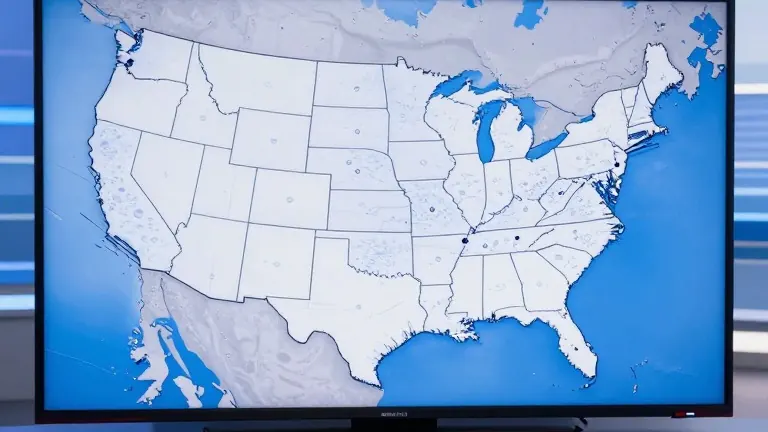
An analysis by NPR identifies 70 House districts where both major parties are spending at least $100,000 in the final days of the 2026 midterm campaign. This level of investment signals a highly contested environment rather than a simple attempt to stop a partisan wave. The data suggests the central question for voters is now the extent of potential Democratic gains in the House.
The most expensive contests are in Michigan and North Carolina. Each of these states has seen more than $12 million in planned spending for specific districts. Michigan's 7th District and North Carolina's 1st District lead the spending totals. Other high-cost races include districts in Florida, New York, and Iowa, where both parties are deploying heavy resources to influence the outcome.
The competitive landscape includes seats in deep-red areas of Tennessee, Oklahoma, and Arkansas. Ad buys in these regions have reached seven figures. This spending often targets districts where Republican gerrymandering may have unintended consequences. In other areas, such as Michigan, North Carolina, New York, and Florida, toss-up districts have attracted more than $10 million each in final messaging efforts.
Current polling data supports a shift in power. The latest NPR, PBS News, and Marist poll shows Democrats holding a 10-point advantage among registered voters on the generic congressional ballot. The party also leads by 8 points among likely voters. The Cook Political Report rates Democrats as favored in 220 seats, with 17 listed as toss-ups and 30 leaning toward the Republican Party.
Voter concerns drive the spending. A record number of Congressional retirement announcements has heightened anti-incumbency sentiments. Economic issues, including rising gas prices, tariffs, and the war in Iran, remain top priorities for voters. Recent redistricting decisions after a Supreme Court ruling on the Voting Rights Act also altered the map. Republicans adjusted boundaries in states like Ohio and North Carolina, while Democrats did the same in California, changing the demographics of several districts.
The 70 districts with substantial ad spending voted for Donald Trump by an average of 9 points in the 2024 election. Sixty of these districts are listed as priorities by both the Democratic and Republican House campaign arms. This overlap indicates a shared view on where the most effort is needed. However, not all races will be close. Some districts targeted by the Democratic Congressional Campaign Committee gave Trump nearly 60% of the vote in 2024 and have seen minimal ad spending from either party.
Source: WVXU