Democrats take control of Congress, but wallet impact will be slow
Economists predict divided government will block immediate changes to taxes, prices, and health care costs for working families.
By Noor Graham ·
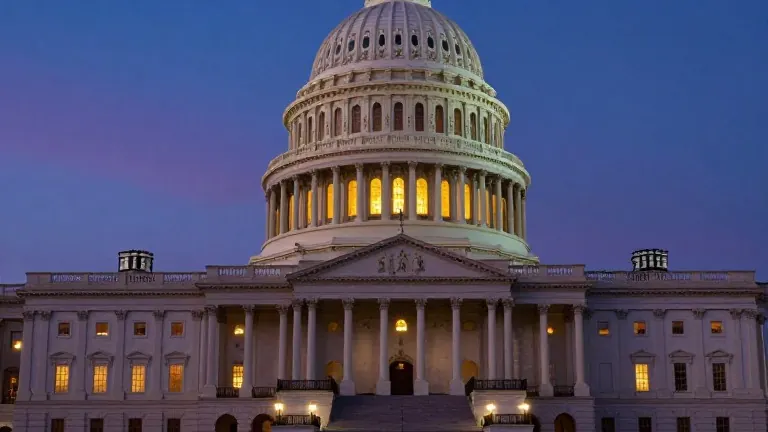
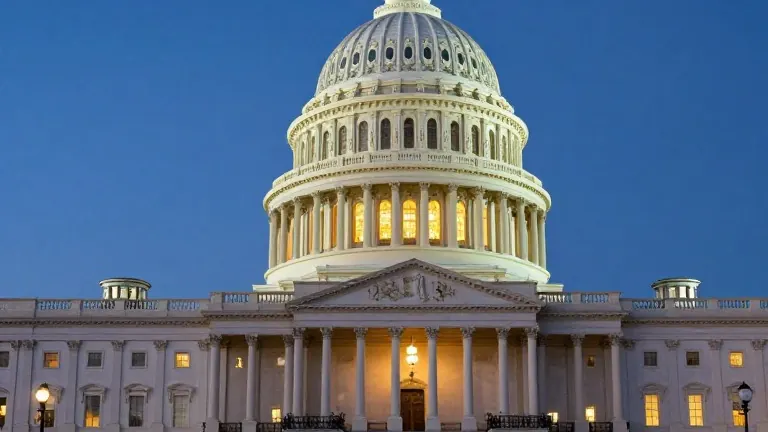
The November 2026 midterm elections produced a Democratic majority in both the House and the Senate. Despite this shift in power, experts say consumers should not expect immediate relief on their bills. Scott Anderson, chief economist and managing director at BMO Capital Markets, stated that the new congressional leadership is unlikely to pass major new legislation quickly. He noted that moving the needle on inflation, economic growth, or interest rates will be difficult in the short term.
The primary obstacle is the structure of the government. Democrats now control Congress, but a Republican president remains in the White House. This divided government means that major bills require the president's signature or a two-thirds vote to override a veto. Anderson acknowledged that Americans are eager to see progress on affordability, but the legislative path remains blocked by executive opposition.
Households should not anticipate immediate tax changes. Analysts expect Democrats to propose amendments to recent tax laws, including larger child tax credits and other relief measures. However, without presidential approval, these changes will remain stalled in committee. Middle-income families will likely continue paying the same rates until a compromise is reached or a future election shifts the balance of power.
Prices for gas, groceries, and housing are also largely outside of Congress's immediate control. Anderson identified the war in Iran as a major driver of current high costs. He explained that ending the conflict could lead to lower oil prices and reduced transportation costs. Until then, interest rates and energy markets will continue to dictate what consumers pay at the pump and the supermarket.
Trade policy presents another challenge for Democratic lawmakers. The party campaigned against specific tariffs imposed by the Trump administration, arguing they raised costs for voters. However, trade policy is primarily an executive power. Any reduction in tariffs depends heavily on presidential action rather than congressional votes. Democrats can propose changes, but the final decision rests with the White House.
Health care proposals, including changes to insurance subsidies and Medicaid, face similar hurdles. Sweeping reforms are less likely when one party controls the legislature and the other controls the presidency. Anderson also warned of potential government shutdowns later this year or early next year. He said these disruptions could occur if Republicans and Democrats fail to agree on raising the debt ceiling.
For now, the direct impact on the average household's budget will remain limited. The new Congress will focus on incremental changes and oversight rather than sweeping statutory overhauls. Voters who turned out in large numbers on Tuesday to address high living costs will have to wait for gradual adjustments rather than instant financial relief.
Source: NBC Chicago