Georgia spends $12 million on ER delivery carts as rural OB units close
The state plans to outfit 43 hospitals with emergency obstetric supplies by September 2027 to address gaps left by unit closures.
By Noor Graham ·
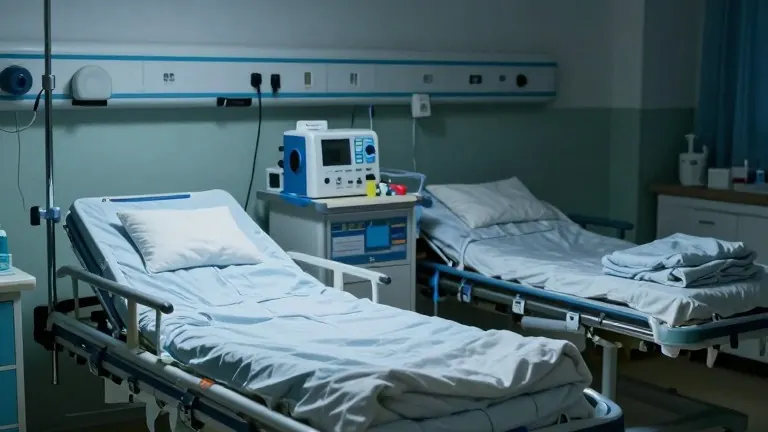
Georgia will spend more than $12 million to place obstetric carts in 43 rural hospitals that lack labor and delivery units. The funds come from the federal Rural Health Transformation Program, which allocated nearly $219 million to the state in its first year. The carts will contain neonatal resuscitation tools, thermal blankets, and medications like oxytocin and magnesium sulfate.
The initiative aims to prepare emergency rooms for obstetric emergencies as rural hospitals shut down maternity services. St. Mary’s Sacred Heart Hospital in Lavonia stopped providing these services nearly a year ago. Medicaid cuts from the One Big Beautiful Bill Act contributed to the closure. Nationwide, fewer than half of rural hospitals now offer labor and delivery services.
Health officials say the carts will allow ER staff to handle births or severe complications on site. Lauren Williams, director of communications for the Georgia Department of Community Health, stated that training ER staff is the primary goal. The rollout will include simulation drills for high-risk procedures. Anna Adams, chief government relations officer for the Georgia Hospital Association, confirmed that the association will procure and distribute the equipment by September 30, 2027.
Critics argue the carts are an insufficient fix for a structural problem. Justin Peterson, an OB-GYN in southern Georgia, compared the plan to putting a band-aid on a hemorrhage. He noted that ER doctors often lack extensive obstetric experience. Peterson prefers the state invest in keeping existing labor and delivery units open rather than relying on emergency rooms as a primary site for birth.
Kara Holden, a former obstetric nurse, delivered her son in Greenville, South Carolina, on October 11 after a 50-mile drive. She lives midway between Athens and Greenville, the nearest cities with maternity services. Holden mapped out emergency rooms along the route and kept supplies in her car. She said familiarity with delivery procedures is essential because some complications cannot wait for a transfer to a larger hospital.
Brittany Mitchell, a home health aide, was seven months pregnant when the Lavonia unit closed. She had to drive nearly 50 miles for weekly prenatal checkups due to high protein levels in her urine. A warning sign of preeclampsia, the condition can lead to organ damage and seizures. Mitchell said she would still prefer seeing an OB-GYN over an ER doctor for future pregnancies.
The state’s proposal includes other measures to improve access. It funds 75 new residency slots and offers physicians up to $250,000 in relocation fees to practice in rural areas. Advocates also urge the state to ease regulations for certified midwives and community health workers. Currently, nurse midwives must practice in partnership with a physician, a requirement that advocates say creates a high financial burden.