Hackers Freeze Food Supply
A cyberattack on refrigeration systems emptied shelves at 13 Supervalu stores in Ireland and disrupted supermarkets across Europe on Monday.
By Rebecca Svoboda ·
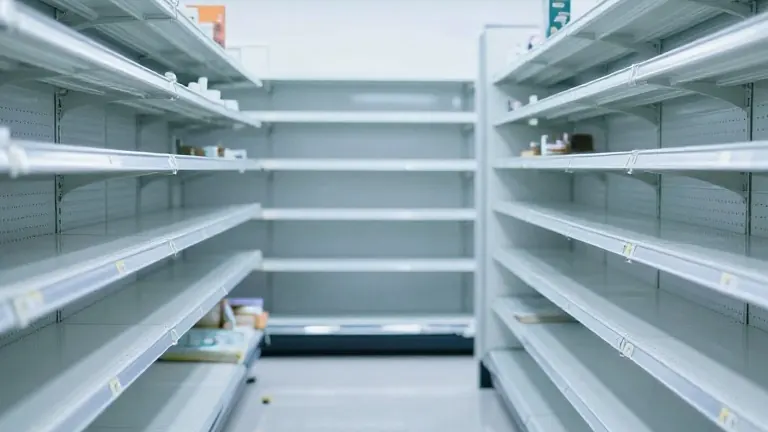
A cyberattack targeting refrigeration systems disrupted food distribution for millions of consumers across Europe on Monday. The intrusion forced retailers to empty fridges and freezers, creating a visible gap in supply that highlighted the vulnerability of modern food storage.
In Ireland, 13 Supervalu supermarkets were affected by the incident. Managers removed stock from shelves as a precautionary measure because the attack impacted the internal temperatures of cooling units. While the exact method of the attack remains unknown, Musgrave, the owner of Supervalu, stated the issue was limited to a specific model of refrigeration equipment. Monitoring systems alerted staff to the temperature changes, allowing the company to act immediately.
The disruption was not isolated to the Irish island. Similar incidents were reported at supermarkets in Sweden, Belgium, Luxembourg, Finland, and Estonia. In these locations, overheating fridges ruined food worth millions of euros. The same type of attack hit 700 supermarkets in France just two weeks earlier, causing spoiled food and occasional fires.
By shortly after 9 a.m. on Monday, some stock was returning to Irish shelves. However, retailers indicated it would take time before operations returned to normal. No single group has claimed responsibility for the latest attack, and no specific motive has been established. The primary goal of the disruption appears to be causing operational chaos rather than stealing data.
The technical core of the problem involves internet-connected refrigeration units. While connectivity allows for easier monitoring of temperature fluctuations, it creates a security risk. A single vulnerability in these connected devices was sufficient to cause widespread damage across multiple countries.
The incident serves as a direct warning to other industries that rely on connected hardware. As systems become more integrated, the security of devices like smart appliances and security cameras becomes as critical as the security of personal computers. The attack demonstrates that digital threats can have immediate physical consequences for daily life.
Source: The Irish Times
More Business · Consumer Watch · Report a business · Got a Story?