NASA reveals new route for astronauts to reach the Moon by 2028
A revised strategy moves critical docking maneuvers closer to Earth and simplifies fuel logistics for commercial partners.
By Rebecca Svoboda ·
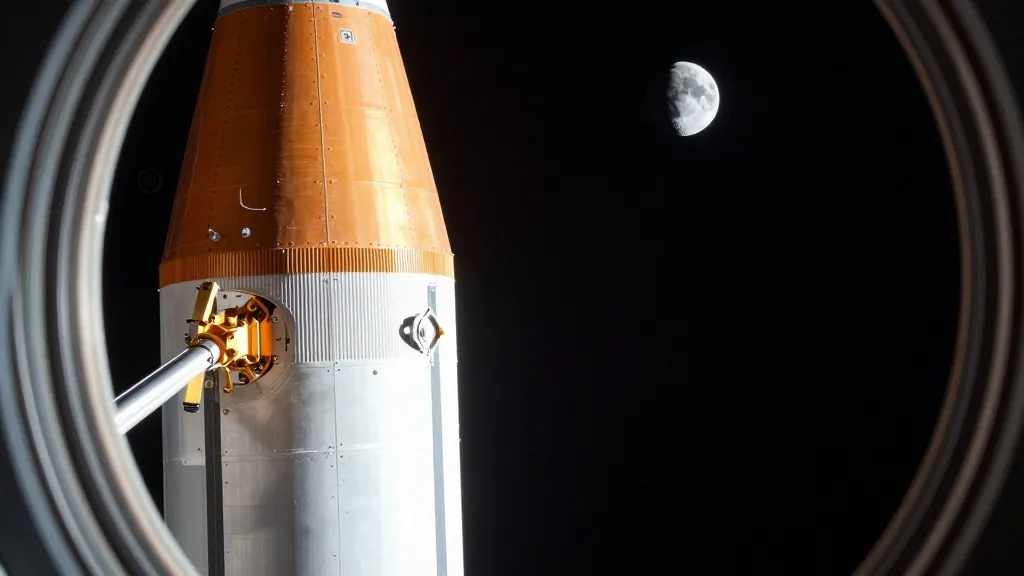
NASA has officially confirmed a new architectural approach for its lunar program, aiming to land astronauts on the Moon as early as 2028. This announcement, delivered during a detailed news conference on Friday, marks the first time the agency has publicly laid out these specific operational changes. The shift addresses long-standing technical hurdles and aligns the agency's timeline with the capabilities of its commercial partners.
The most significant change involves how the Orion spacecraft interacts with SpaceX’s Starship vehicle. Under the revised plan, Orion will dock with the Starship lunar lander in high-Earth orbit. This docking maneuver will occur before the combined vehicles travel to the Moon. Previously, the plan called for a different sequence that placed higher demands on the spacecraft's energy systems. By moving this connection closer to Earth, the mission becomes more straightforward and reduces complexity in deep space.
For Blue Origin, the updated mission architecture relies on four launches of the New Glenn rocket. A key feature of this approach is the elimination of spacecraft-to-spacecraft refueling. This simplification removes a critical and technically challenging step from the mission profile. Furthermore, the Blue Origin plan allows for the possibility of its Blue Moon lander rendezvousing with Orion in low-Lunar orbit. This flexibility provides multiple pathways for the agency to achieve its landing goals.
NASA officials stated that they continue to anticipate launching the Artemis III mission by the summer of 2027. This upcoming flight will serve as a demonstration, involving docking with both the Blue Moon and Starship vehicles near Earth. Following this test, the agency is tracking toward a 2028 launch for Artemis IV. This mission would mark the actual landing of astronauts on the lunar surface. These dates represent a tight but achievable schedule according to agency leadership.
NASA Administrator Jared Isaacman expressed confidence in the agency's ability to meet these targets. He noted that the organization has the mandate, resources, and stakeholder support necessary to execute the plan. He described the current trajectory as an achievable path. The agency has taken a comprehensive look at every element of the program to identify where changes could help the lunar lander companies accelerate their efforts. This proactive approach aims to remove bottlenecks and streamline the development process.
The adjustments to the SpaceX plan were driven by specific engineering requests made in early 2026. SpaceX engineers had asked NASA to remove the requirement to dock with Orion in a near-rectilinear halo orbit around the Moon. This specific orbital path required more energy and presented other technical difficulties. The cancellation of the Lunar Gateway earlier this year effectively solved this problem for SpaceX. By eliminating the need for that specific orbit, the agency has simplified the operational requirements for the Starship lander.
The broader context of these changes reflects a shift toward a more modular and flexible approach to lunar exploration. By working closely with commercial partners, NASA is adapting its plans to fit the realities of current rocket and lander capabilities. This collaboration allows for a more efficient use of resources and a clearer path forward for the Artemis program. The focus remains on delivering a sustainable presence on the Moon while ensuring safety and reliability in every step of the process.
As the program moves forward, the next few years will be critical for validating these new architectures. The upcoming Artemis III mission will provide the first real-world test of the revised docking procedures. Success in this phase will be essential for building confidence in the 2028 landing target. For now, the agency has provided a clear and detailed roadmap for returning humans to the lunar surface, with a focus on practicality and execution.
Source: Ars Technica · original report published