Iranian people to receive first national Freedom Prize in Frankfurt
Crown Prince Reza Pahlavi will accept the award on behalf of the nation, citing a shifting European stance on Tehran following the January crackdown.
By Sakura Ellis ·
The Friedrich Naumann Foundation will award its 2026 Freedom Prize to the Iranian people for the first time in the award's two-decade history. The prize, established in 2006, has previously been given only to individuals. The foundation selected the Iranian population to recognize their collective struggle against the Islamic Republic, particularly following the violence of January.
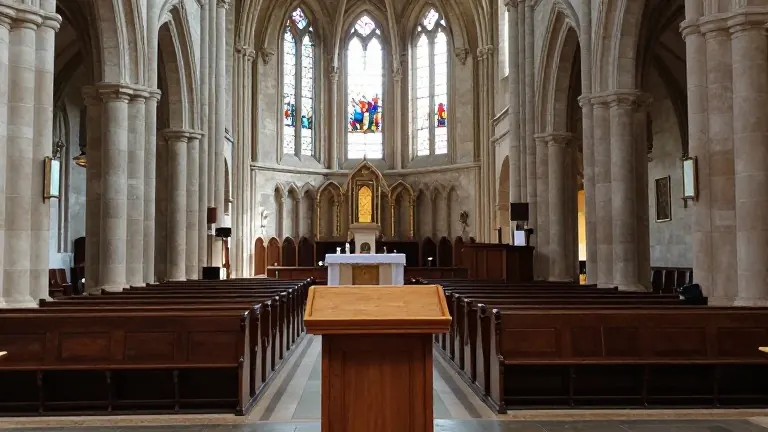
Crown Prince Reza Pahlavi will accept the honor on Saturday at St. Paul's Church in Frankfurt. He is serving as a trustee for the award until a freely elected Iranian government can take possession. Pahlavi, the exiled son of Iran's last shah, concluded a week of diplomatic meetings in Brussels and Germany before the ceremony. He stated that his discussions with European leaders indicated a growing understanding that the current regime must change.
This award and the productive meetings I have had this week with leaders from across Europe show me that a growing number of politicians understand that this regime must go. It is a matter of how, he said in written responses. He added that he is discussing with these leaders how they can provide specific assistance.
Ludwig Theodor Heuss, a member of the foundation's board of trustees, explained that the events of January were decisive in the foundation's deliberations. Security forces killed thousands of demonstrators and imposed a sweeping Internet blackout during the crackdown. Heuss cited estimates of more than 5,000 deaths, while noting that some opposition groups claim as many as 50,000 people died on January 8 and 9. He stated that no other people in the world paid a higher price for freedom this year.
The foundation's decision was not an endorsement of Pahlavi as Iran's future leader. Heuss emphasized that the prize belongs to the Iranian people, not the crown prince personally. Heuss said the foundation trusts in democracy and leaves the determination of Iran's political system to its citizens. The choice of Pahlavi followed lengthy internal discussions regarding his ability to reach large audiences, including at a diaspora gathering in Munich earlier this year.
Pahlavi has advocated for additional sanctions and diplomatic measures against the Islamic Republic during his European tour. He argued that Western policymakers often treat the regime as a conventional state, incorrectly assuming it responds to economic incentives. He described the Islamic Republic as a transnational revolutionary movement that has occupied Iran. Heuss agreed that Germany and Europe should not strengthen the regime, calling for sanctions over human rights violations while maintaining that diplomacy is necessary when it saves lives.
The ceremony marks a shift in how the foundation recognizes international struggles. The foundation's decision aims to keep the Iranian people's struggle visible to an international audience. It also highlights the ongoing repression, including more than 70 executions carried out in October. The award serves as a formal recognition of the sacrifices made by women, students, and workers who took to the streets despite the dangers.