Courts step in to shape voting rules on Election Day
Federal judges issued orders affecting noncitizen voting lists and ballot handling in California and Alaska, while the Postal Service expanded operations to ensure timely mail ballot processing.
By Noor Graham ·
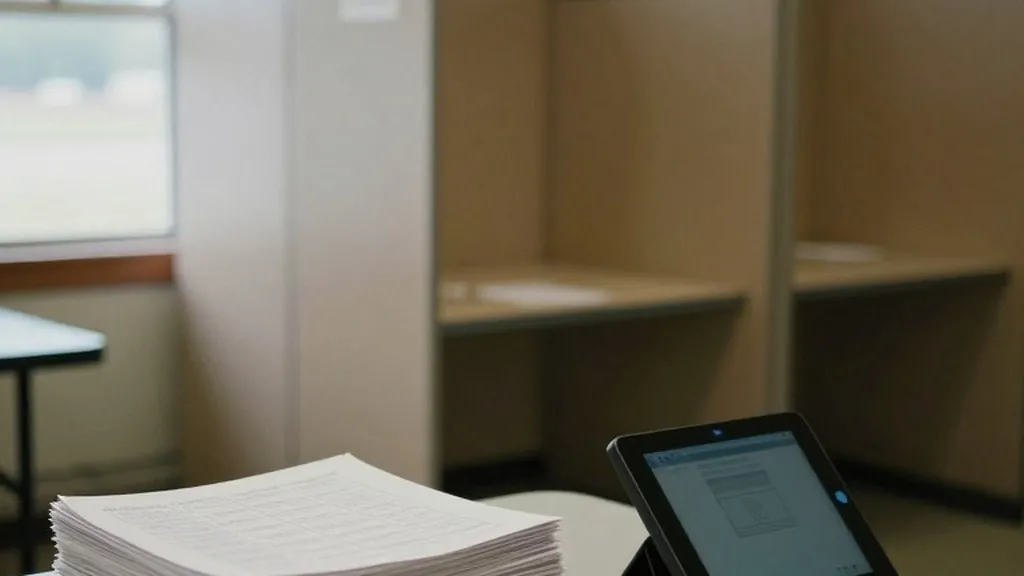
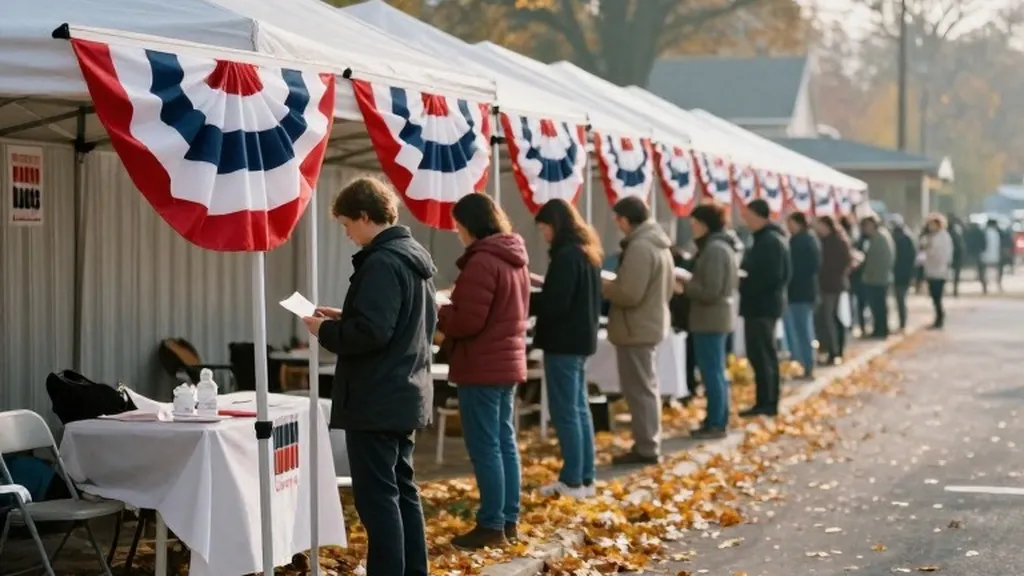
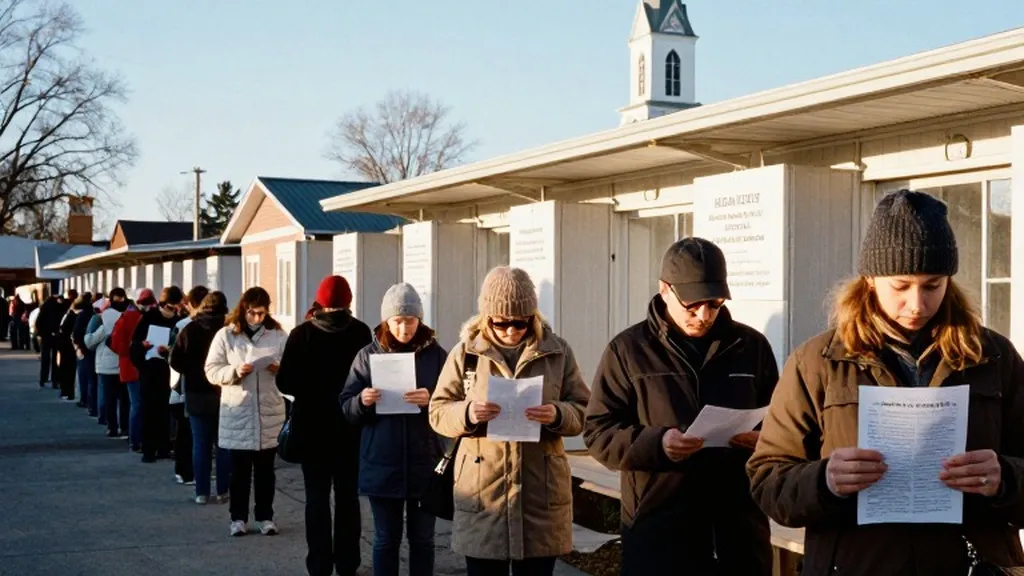
Voters across the Great Lakes and Ohio Valley are heading to the polls on Tuesday, November 3, 2026, amid a backdrop of legal interventions that have altered the administrative landscape for this midterm election. The day marks a critical juncture in President Donald Trump's second term, with the outcome determining which party controls Congress for the final two years of his administration. As polls open, the focus extends beyond candidate preferences to the procedural mechanisms governing how votes are cast, counted, and protected from federal challenge.
A federal judge temporarily barred the Trump administration on Monday from executing a plan designed to prevent noncitizen voting, according to Reuters. This ruling comes as critics argue the administration's approach risks disenfranchising eligible voters and infringes upon the authority states hold over their own election processes. In California, a separate judicial order directed the administration to stop demanding that local election officials segregate ballots cast by individuals listed as suspected noncitizens. These legal moves have added a layer of uncertainty for election workers and voters alike who are navigating a contentious federal role in state-level administration.
The legal battles are not limited to California. In Alaska, the Trump administration filed a lawsuit related to the certification of the Senate result, a move that has drawn attention to the state's competitive race. The administration has continued to make claims about voting fraud, including assertions that noncitizens vote in large numbers, which has fueled fears among Democrats of interference and intimidation. The Justice Department has threatened to prosecute local election officials, a strategy that has heightened tensions in jurisdictions where the margins of victory are expected to be tight.
To mitigate logistical risks, the U.S. Postal Service has implemented specific measures to ensure mail ballots are counted on time. Reuters reports that the agency added extra hours, increased staffing levels, and established special lines for processing election mail. These steps are particularly significant in states like Ohio, where polls are open from 6:30 a.m. to 7:30 p.m., and Michigan, where polls operate from 7 a.m. to 8 p.m. The expansion of postal resources aims to address concerns about delays that could impact the final count of absentee ballots, a crucial component in several battleground states.
In the Ohio Valley region, voters in Kentucky and West Virginia are casting ballots in Senate races that could influence national control of the chamber. Kentucky polls are open from 6 a.m. to 6 p.m., while West Virginia polls operate from 6:30 a.m. to 7:30 p.m. In West Virginia, incumbent Shelley Moore Capito is seeking re-election in a race that has become a focal point for Republican efforts to maintain their Senate majority. Meanwhile, Kentucky faces an open Senate seat following the retirement of its incumbent, adding to the list of competitive contests that could determine the balance of power in Washington.
The legal and administrative shifts occur against a backdrop of significant financial disparity in the campaign. The Associated Press notes that the 2026 elections are likely to be the most expensive in history, with Republican committees outraising and outspending their Democratic counterparts. This funding advantage, bolstered by Trump-affiliated groups and support from Elon Musk, has allowed Republicans to dominate television ad spending in states Trump won in 2024. Despite this national spending edge, Democrats have outraised their opponents at the candidate level, a dynamic that has shaped campaign strategies in key districts across the Midwest.
Voters in these regions are weighing these administrative changes alongside pressing economic concerns. The Associated Press describes the election as a referendum on the current administration, with many voters expressing frustration over high prices and an unpopular war with Iran. Polling data indicates that a significant portion of adults believe the country is heading in the wrong direction, with most blaming the president for economic conditions. This sentiment is particularly palpable in states like Michigan and Ohio, where cost of living issues have become central to voter decision-making.
The procedural safeguards and legal rulings are designed to ensure that the voting process remains accessible and secure as millions cast their ballots. In Ohio, the use of a new congressional map adds another variable to the election, as six other states including California and Texas are also using updated maps following mid-decade redistricting. These changes in district boundaries have the potential to shift the political landscape, particularly in close races where small differences in vote totals can determine the outcome.
As the day progresses, election officials in the Great Lakes and Ohio Valley are monitoring the implementation of the new federal orders and postal measures. The temporary bar on the noncitizen voting plan and the directive regarding California ballot segregation represent significant adjustments to the federal government's role in election administration. These developments underscore the ongoing legal and logistical challenges that accompany high-stakes midterm elections, where the mechanics of voting are as scrutinized as the candidates themselves.
The Postal Service's added resources are critical in ensuring that mail ballots are processed within the required timeframes, a task that has become increasingly complex in recent election cycles. The expansion of staff and operational hours reflects a broader effort to maintain the integrity and timeliness of the voting process. As polls close in states like Kentucky and West Virginia, the focus will shift to the counting of these ballots, with the legal and administrative frameworks put in place over the past week playing a central role in the final tally.
The interplay between federal legal actions and state-level voting procedures highlights the intricate nature of election administration in the current political climate. The rulings in California and the lawsuit in Alaska serve as reminders of the potential for legal challenges to influence the outcome of elections, particularly in closely contested races. For voters in the Great Lakes and Ohio Valley, understanding these procedural elements is as important as knowing the candidates on the ballot, as the rules governing the election can have a tangible impact on the final results.