Great Lakes voters face midterm math: Can Democrats beat the historical trend?
With polls open in Ohio, Michigan, Kentucky, and West Virginia, both parties deploy distinct strategies to defy the usual mid-term losses for the president's party.
By Rebecca Svoboda ·
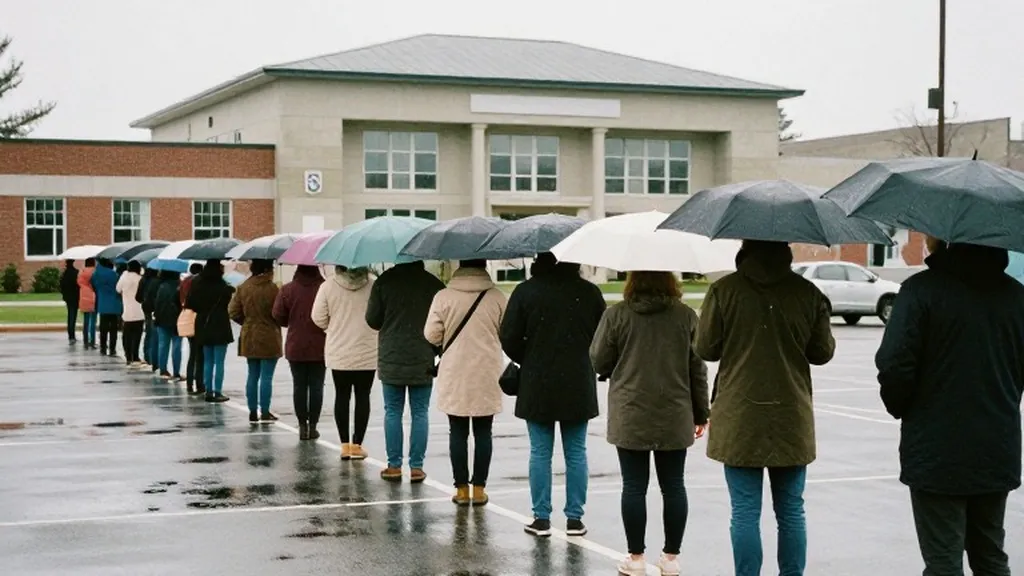
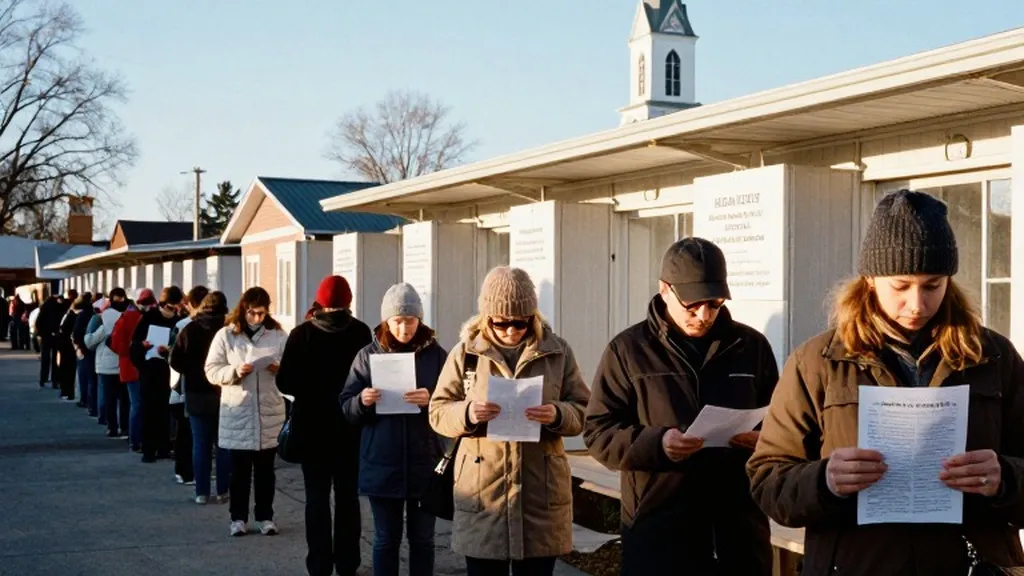
The historical weight of the mid-term election is heavy on the minds of voters across the Great Lakes and Ohio Valley this Tuesday. Since the 1800s, the political party holding the presidency has almost always lost seats in the House of Representatives, a pattern that has held firm through decades of shifting political landscapes. This year, that historical trend serves as the backdrop for a contest that is deciding who will control Congress for the final two years of President Donald Trump's second term. Voters in states such as Ohio, Michigan, Kentucky, and West Virginia are casting ballots that will determine whether the president's party can defy this long-standing statistical norm or if the familiar cycle of power shifts will continue.
In the House, all 435 seats are up for grabs, with Republicans currently holding 218 seats and Democrats holding 214, according to Ballotpedia. Democrats need a net gain of three districts to claim a majority, while Republicans can lose no more than two seats to maintain control. Ballotpedia counts 46 battleground districts nationwide, with 25 held by Democrats and 21 by Republicans. In the region, Ohio is using a new congressional map, a change that adds a layer of complexity to the race as voters navigate new district lines. The Associated Press notes that 21 Democratic-held districts voted for Trump in 2024, while nine Republican-held districts voted for Kamala Harris, suggesting a mixed landscape of partisan alignment.
The Senate race presents a similarly tight contest, with 35 of 100 seats on the ballot. Republicans hold 53 seats, Democrats 45, and two independents who caucus with Democrats. Democrats need a net gain of four seats to take control, a significant hurdle given that Republicans can lose only two seats to keep the majority. In the Great Lakes region, Michigan and Kentucky have open Senate seats, while West Virginia is reelecting incumbent Shelley Moore Capito. The Associated Press identifies Michigan as a toss-up to lean Democratic, noting that the state voted for Trump by just 1.4 percent in 2024. In Kentucky, the open seat is a critical piece of the puzzle for both parties, as the state is a key battleground in the fight for Senate control.
Both parties have employed distinct strategies to beat the mid-term pattern. Republicans have leaned heavily on redistricting and a significant financial advantage, with committees out-raising and out-spending Democrats. According to an AP analysis of AdImpact data, 88.1 percent of Republican general election TV ad spending went to states and districts Trump won in 2024, including more than $850 million in areas where he won by 10 points or more. This money edge has been bolstered by Trump-affiliated groups and the influence of Elon Musk. Conversely, Democrats have focused on the cost of living and oversight of the administration, with DCCC Chair Rep. Suzan DelBene stating that the American people are angry and want change.
In the governor's races, the stakes are high for control of statehouses. Republicans hold 26 governor's offices and Democrats 24, with 19 of the races having no incumbent on the ballot. In Ohio, Republican Vivek Ramaswamy is facing Democrat Amy Acton in a race that has drawn attention due to campaign ads and local dynamics. In Michigan, the governor's race is also a key contest, with the state using a new map for its congressional districts. The Associated Press notes that Democrats hope to hold a majority of governorships for the first time in two decades, a goal that would signal a strong performance against the mid-term trend.
Voters in the region are casting ballots against a backdrop of economic strain and an unpopular war with Iran. The Associated Press describes the election as a referendum on Trump's second term, with polling showing that 35 percent of U.S. adults approve of his job performance and 25 percent approve of his handling of the economy. About 7 in 10 say the country is heading in the wrong direction. In the Great Lakes, these national sentiments are felt locally, with voters in Ohio and Michigan weighing their choices in light of high prices and healthcare costs. More than 57 million people had already voted as of Monday, surpassing the early vote of four years ago in many closely watched states.
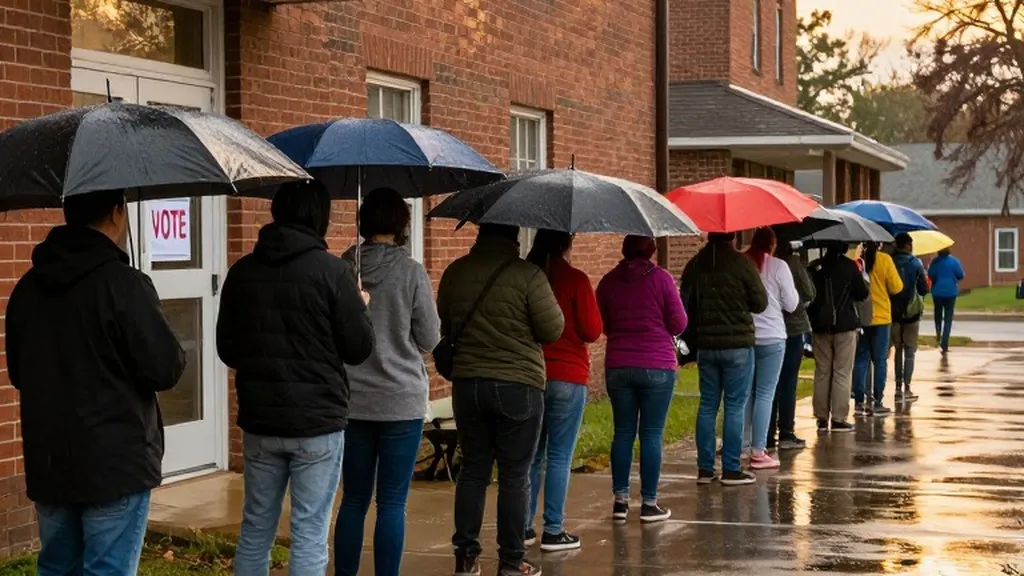
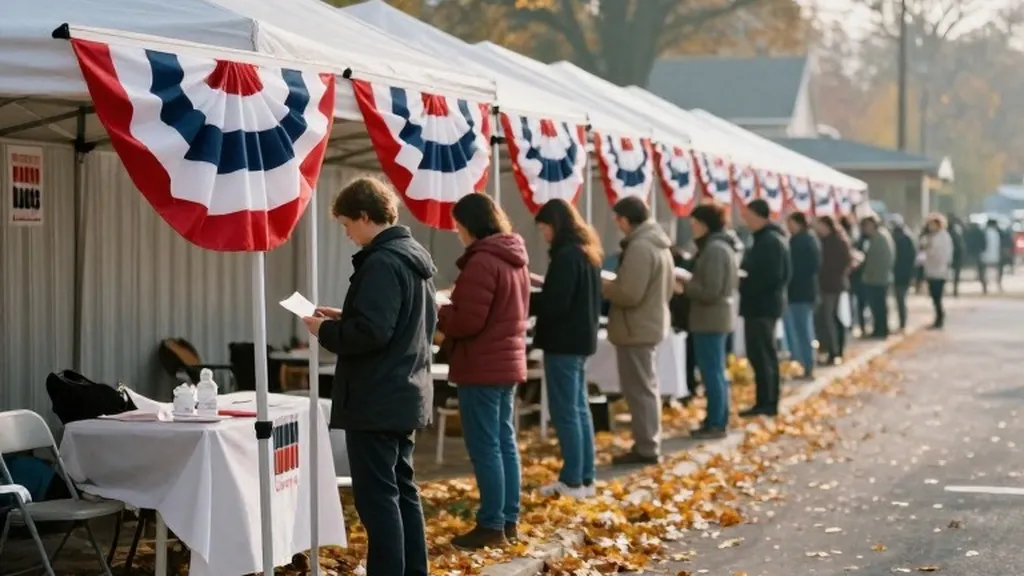
The mood in the region is one of cautious optimism for Democrats and bracing for potential losses for Republicans. The Associated Press notes that one or two seats could tip either chamber, making the outcome highly uncertain. In Ohio, polls are open from 6:30 a.m. to 7:30 p.m., and in Michigan, from 7 a.m. to 8 p.m. In Kentucky, polls close at 6 p.m., and in West Virginia, at 7:30 p.m. These varying hours mean that the final tallies in the region will come at different times, adding to the suspense of the election night coverage.
The issue of voting administration has also played a role in the campaign. A federal judge on Monday temporarily barred the Trump administration from carrying out a plan to prevent noncitizen voting, a move that critics say risks disenfranchising eligible voters. The U.S. Postal Service has added hours and staff to ensure mail ballots are counted on time. These administrative details, while behind the scenes, are part of the broader effort to ensure a smooth and fair election process in a year where the stakes are high and the history is against the president's party.