Trump's $5,000 dividend promise faces steep odds in Congress
Speaker Johnson says the payout needs legislative approval, while critics question the funding source for the massive check.
By Noor Graham ·
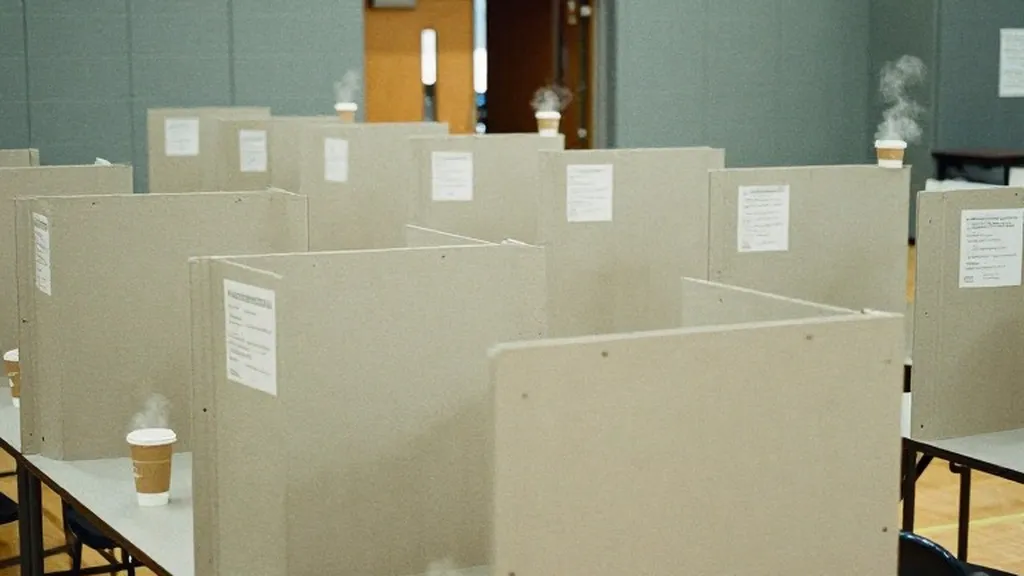
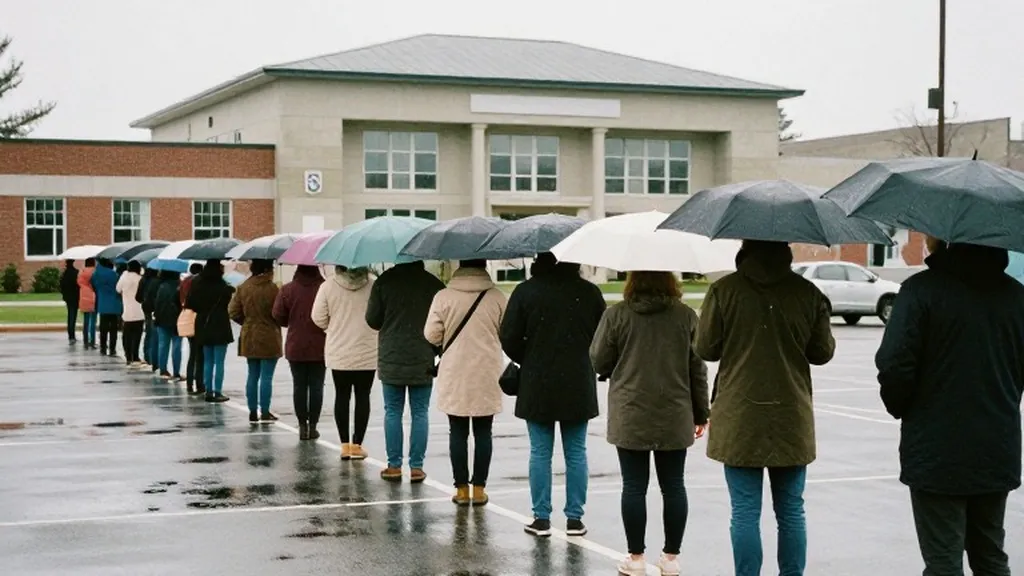
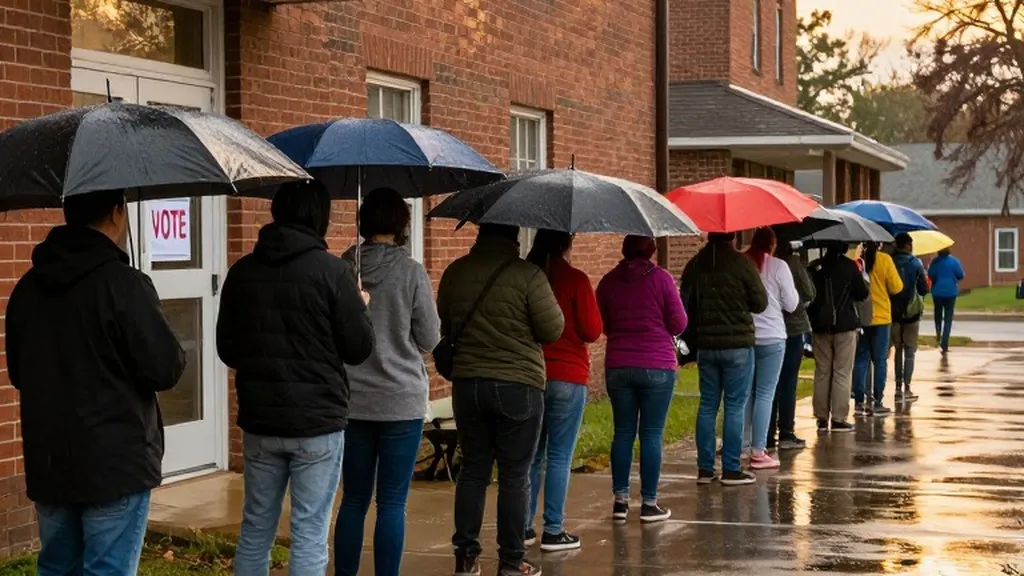
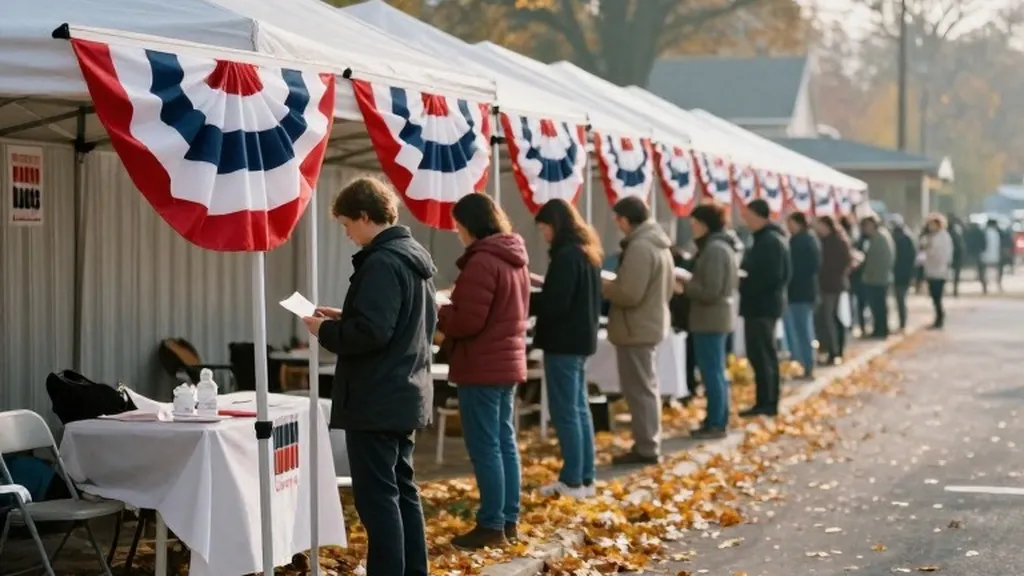
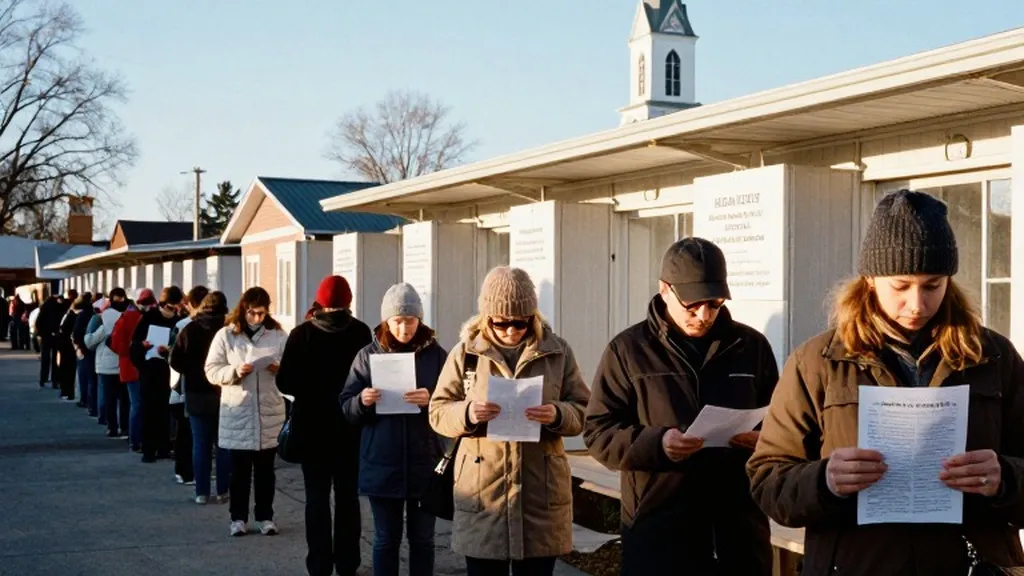
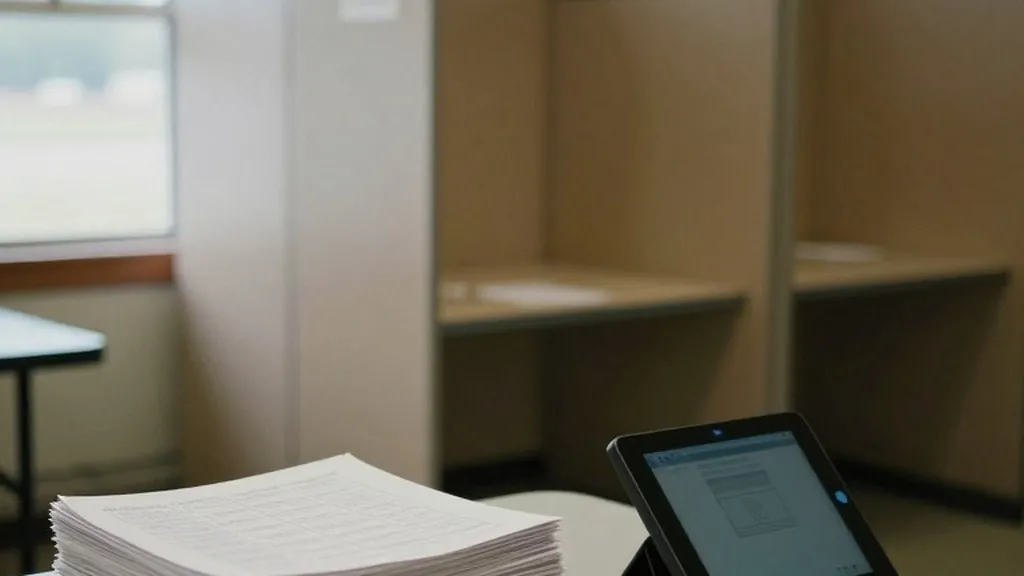
Voters across the Great Lakes and Ohio Valley are casting ballots on Tuesday, November 3, 2026, with polls in Ohio open from 6:30 a.m. to 7:30 p.m. and Michigan polls operating from 7 a.m. to 8 p.m. The election determines who controls Congress for the final two years of President Donald Trump's second term, a decision that directly impacts the fate of a controversial financial pledge made at the Republican Midterm Convention in Dallas.
During a nearly two-hour speech in Dallas, President Trump promised a $5,000 payment to every adult American citizen if Republicans maintain control of both the House and Senate. He labeled this payout the "Trump Dividend," arguing that the nation's economic success and tariff revenues justify the distribution. The president stated that the checks would be issued because the United States is "taking in so much money," a claim that has drawn scrutiny from fiscal experts and lawmakers in both parties.
House Speaker Mike Johnson, a Republican from Louisiana, addressed the logistical challenges of this promise on Sunday. Johnson stated that congressional approval is required for the payments to proceed. He described the proposal as a "creative idea" and pledged that Congress would work to find consensus to implement it, despite the slim Republican majority in the House. Johnson's comments contrast with Trump's earlier suggestion that the executive branch might handle the payments without new legislation, though the president did not specify how he would authorize spending more than one trillion dollars without lawmakers' consent.
PolitiFact has analyzed the proposal and found that the largest payment is far from certain. The organization notes that the White House has announced no formal plan for how Americans would receive the checks. The cost of the dividend could exceed one trillion dollars, a figure that would significantly impact the nation's nearly one-point-eight-trillion-dollar annual budget deficit. Senator Bernie Moreno, R-Ohio, has indicated he would introduce legislation to fund the proposal, but analysts suggest that passing such a bill in the Senate would require a 60-vote supermajority, a threshold that is difficult to reach with the current party division.
The promise has sparked bipartisan criticism, with some Republicans questioning the sustainability of the debt and Democrats arguing that the timing suggests an attempt to buy votes. Election law expert Rick Hasen of the University of California, Los Angeles, noted that while the promise is likely legal under the First Amendment as a campaign pledge, the president lacks the independent power to execute it. Hasen compared the move to historical campaign promises regarding tax cuts or social programs, noting that voters have previously scrutinized similar pledges for their economic feasibility.
Democratic leaders are framing the election as a referendum on the cost of living and the administration's handling of the economy. House Democratic Leader Hakeem Jeffries has outlined a 100-day agenda focused on oversight and the cost of living if Democrats gain control of the House. In the Ohio Valley, voters in states like Kentucky, where polls close at 6 p.m., and West Virginia, where polls are open until 7:30 p.m., are weighing these economic concerns alongside the administration's management of the war with Iran, which has contributed to rising gasoline prices.
Republican committees have spent significantly on advertising, with 88.1 percent of general election TV ad spending directed at states and districts Trump won in 2024. This heavy investment reflects the party's strategy to protect its seats in the House, where Democrats need a net gain of three districts to secure a majority. In Michigan, where Gary Peters is retiring, the Senate race is rated as a toss-up to lean Democratic, adding to the pressure on Republicans to hold their narrow margins in the chamber.
The Associated Press reports that 35 percent of U.S. adults approve of Trump's job performance, while about seven in ten say the country is heading in the wrong direction. These sentiments are particularly acute in the Midwest, where persistent inflation and rising interest rates have strained household budgets. The AP-NORC polling indicates that most voters blame the president for high prices, a factor that could influence the outcome in battleground districts that voted for Trump in 2024 but are now leaning toward Democratic candidates for the House.
Speaker Johnson has emphasized the contrast between the parties, arguing that Democrats would bring chaos and retribution to Capitol Hill. He has campaigned extensively in recent weeks, including a stop in Cincinnati, Ohio, to support local candidates. Meanwhile, the White House has defended the dividend plan, with spokesperson Davis Ingle stating that the president has "consistently proven his doubters wrong." The administration points to record stock market indexes and job participation numbers as evidence of the economic strength required to fund the checks.
Voters in the region are aware that the outcome of Tuesday's election will dictate whether the "Trump Dividend" moves from a campaign promise to a legislative priority. If Republicans hold Congress, the fight to fund the $5,000 checks will begin immediately, with Senator Moreno's bill serving as the initial vehicle for the proposal. If Democrats gain control of either chamber, the administration may face increased oversight and scrutiny over its spending priorities, including the use of tariff revenues for direct payments to citizens.
The election also features open seats for governor in both Ohio and Michigan, with polls closing at 7:30 p.m. and 8 p.m., respectively. These races are critical for Democrats, who need to gain two governorships to achieve a nationwide majority, a position Republicans have held since 2010. The combination of House, Senate, and gubernatorial contests creates a complex landscape where the "Trump Dividend" serves as both a motivational tool and a point of contention in the final hours of voting.