House Flip Hinges on 46 Swing Districts and New Maps
Democrats need a net gain of three seats to reclaim the House, with new congressional maps in seven states altering the landscape for the 2026 midterms.
By Sakura Ellis ·
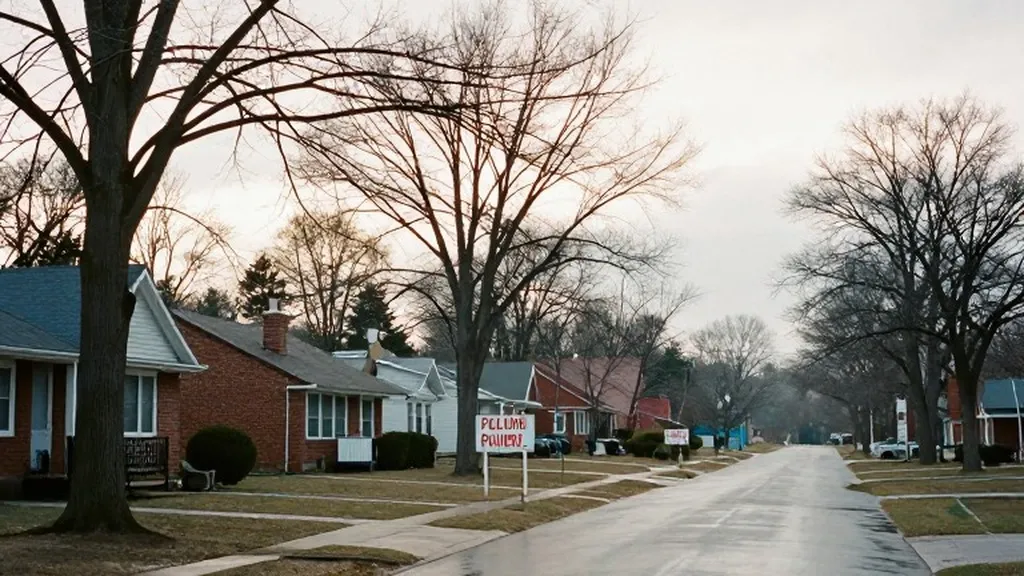
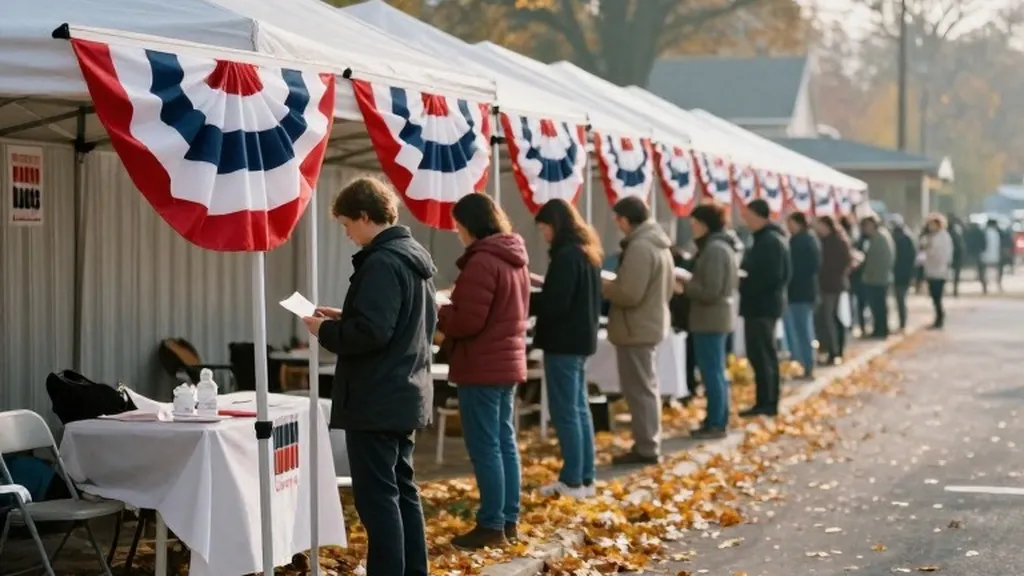
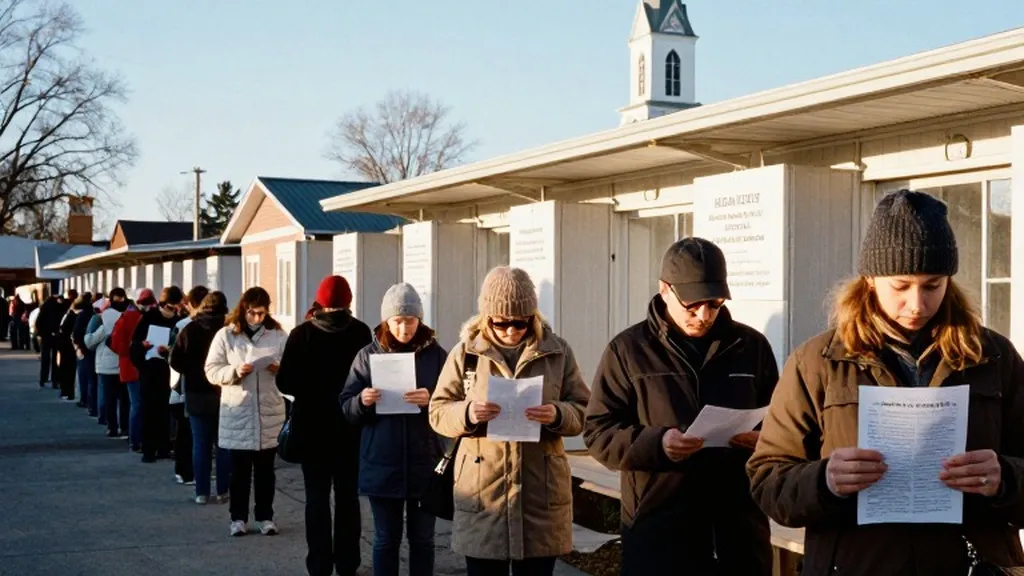
Voters across the Great Lakes and Ohio Valley are heading to the polls on Tuesday, November 3, 2026, to decide the control of the U.S. House of Representatives for the final two years of President Donald Trump's second term. All 435 seats are up for election, a rare circumstance that places the entire chamber in play. According to Ballotpedia, Republicans currently hold 218 seats while Democrats hold 214, with one independent seat and some vacancies remaining. The arithmetic of the current majority is tight, requiring Democrats to achieve a net gain of three districts to secure a majority, whereas Republicans can afford to lose no more than two seats to maintain their position.
The Associated Press describes this election as a referendum on the current administration, noting that many voters are struggling with high prices and anger over an unpopular war with Iran. AP-NORC polling indicates that 35 percent of U.S. adults approve of Trump's job performance, while only 25 percent approve of his handling of the economy. Approximately seven in ten adults say the country is heading in the wrong direction, with most blaming the president for inflationary pressures. These economic concerns are central to the Democratic argument, which emphasizes oversight of the administration and a focus on the cost of living and health care.
Ballotpedia identifies 46 battleground districts as the key to shifting the balance of power in the House. Of these, 25 are currently held by Democrats and 21 by Republicans. The competitive nature of these districts is heightened by the fact that 21 Democratic-held districts voted for Trump in the 2024 presidential election, while nine Republican-held districts voted for Kamala Harris. This divergence between presidential and congressional voting patterns suggests that the midterms may not mirror the previous cycle, adding complexity to the calculations for both parties.
Redistricting plays a significant role in this year's contests, as seven states are using new congressional maps following mid-decade adjustments. These states include California, Florida, Missouri, North Carolina, Tennessee, and Texas, along with Ohio. The new maps have altered district boundaries, potentially changing the demographic makeup and political leanings of certain seats. In the Great Lakes region, Ohio's new map is particularly notable, as the state also has an open Senate seat and a gubernatorial race. Voters in Ohio, where polls are open from 6:30 a.m. to 7:30 p.m., will cast ballots under these new configurations.
The financial disparity between the two parties remains a focal point of the campaign. The 2026 elections are likely to be the most expensive in history, with Republican committees outraising and outspending their Democratic counterparts. This advantage is bolstered by funds from Trump-affiliated groups and Elon Musk. According to an AP analysis of AdImpact data, 88.1 percent of Republican general election TV ad spending went to states and districts that Trump won in 2024. This includes more than $850 million spent in areas where he won by 10 points or more, reflecting a strategy to consolidate support in safe Republican areas while defending competitive ones.
Despite the Republican spending edge, Democrats have shown strength at the candidate level, where they have outraised their opponents. DCCC Chair Rep. Suzan DelBene has described the mood among Democrats as cautiously optimistic, stating that the American people are angry and want change. She emphasized that the stakes are high, as a Democratic victory in either chamber would likely lead to investigations and possible impeachment proceedings. House Democratic Leader Hakeem Jeffries has outlined a 100-day agenda focused on the cost of living and oversight, positioning himself as a potential future leader if his party gains control.
In the Great Lakes and Ohio Valley, the races are particularly intense. Michigan, where polls are open from 7 a.m. to 8 p.m., has an open Senate seat and a gubernatorial race. The state voted for Trump by a margin of 1.4 percent in 2024, making it a key battleground. Kentucky, where polls close at 6 p.m., has an open Senate race, while West Virginia, with polls open from 6:30 a.m. to 7:30 p.m., features a Senate race with incumbent Shelley Moore Capito. The regional dynamics are influenced by the broader national trends, with voters in these states weighing the cost of living, health care, and the administration's handling of foreign policy.
The Associated Press notes that one or two seats could tip the balance in either chamber, highlighting the precision required in these contests. Republican candidates have kept some distance from the president, with many focusing on local issues while still benefiting from his national appeal. Trump held dozens of rallies in the final days of the campaign, ending in Salina, Kansas, where he urged voters to pretend he was on the ballot. His efforts were aimed at energizing the base, although some Republican candidates have tried to maintain a degree of independence to appeal to moderate voters.
Administrative issues have also played a role, with a federal judge temporarily barring the Trump administration from implementing a plan to prevent noncitizen voting. Critics argue that this action risks disenfranchising eligible voters and infringes on state authority over elections. The U.S. Postal Service has added hours and staff to ensure that mail ballots are counted on time, a critical component of the process given the high volume of early votes. More than 57 million people had already voted as of Monday, surpassing the early vote totals from four years ago in many closely watched states.