New Democratic Congress targets Trump with subpoenas and spending cuts
House Democrats plan a 100-day agenda to lower consumer prices, while Republicans scramble to pass funding before their lame-duck session ends.
By Sakura Ellis ·
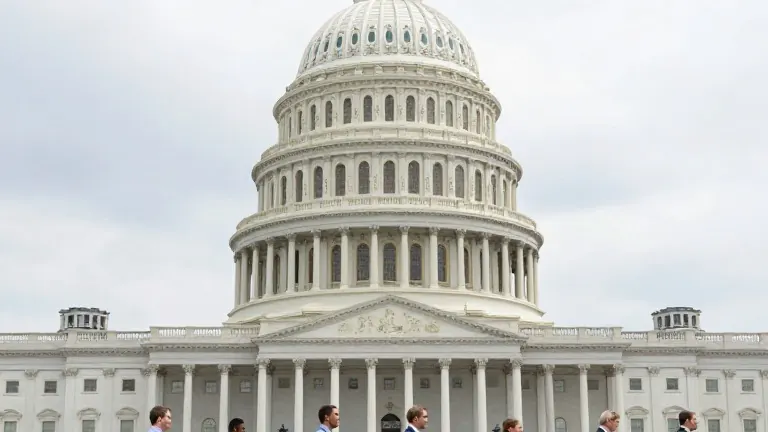
The shift in congressional control changes the daily reality for American consumers who face higher costs for gas, groceries, and healthcare. With Democrats now holding both chambers, the center of political power moves to Capitol Hill. This shift allows the party to check the executive branch after two years of Republican support. The dynamic mirrors Trump’s first term, when House Democrats impeached him twice. However, the current Senate majority adds a new layer of pressure by giving Democrats the ability to block Cabinet appointments and lifetime federal judgeships.
President Trump framed the midterms as a referendum on his leadership. He urged voters to imagine him on the ballot while campaigning in conservative states. Yet the results showed a rejection of his handpicked candidates. Voters also expressed concern over high living costs driven by the war in Iran and tariff policies. During a Fox News interview that aired Wednesday, Trump attempted to deflect blame. He stated that Democrats ran effective campaigns and that GOP candidates failed. He added, "I don’t view it as a hit on me."
House Democratic Leader Hakeem Jeffries outlined a 100-day agenda for the new majority. The plan prioritizes bills to reverse cuts to the Affordable Care Act and Medicaid. The leadership team also aims to reduce the cost of everyday goods. Rep. Robert Garcia of California, the top Democrat on the House Oversight Committee, signaled an aggressive approach to investigations. He issued a one-sentence warning to the administration: "Lawyer up." Sen. Ron Wyden of Oregon, leading the Senate Finance Committee, used a single word to describe his next step: "Subpoenas."
The new Democratic majority faces pressure to deliver quick relief. They must address high gas and grocery prices and the direction of the war in Iran. This challenge is compounded by a roster of newcomers, including a group of democratic socialists. Jeffries and Senate Leader Chuck Schumer have comfortable majorities. House Democrats hold more than the 218 seats needed for a majority in the 435-member chamber. In the Senate, Democrats control at least 54 of 100 seats. Schumer told the public, "Five words for the American people: Relief is on the way."
Investigative priorities focus on the Trump administration’s policies and its interactions with private corporations. Key targets include the Trump family’s business dealings and the handling of the Jeffrey Epstein investigation. Democrats will use committee control, larger budgets, and subpoena powers to compel responses. The White House may rely on executive privilege and slow-walking document requests, a strategy from the previous term. Trump has prepared for legislative fights. On Tuesday, he posted a photo of a red cap with "VETO" stitched on it, signaling his intent to block Democratic bills.
Republicans face their own reckoning with their reduced numbers. Speaker Mike Johnson joked about returning to Shreveport, Louisiana, to start a lawn care company if his party lost power. Rivals are already seeking to replace him. The lame-duck session offers limited time to pass a GOP priority package. Hopes for major tax breaks and spending cuts appear dim as defeated lawmakers prepare to leave at year's end. Conservatives also hope Trump can nominate a new Supreme Court justice while Republicans still hold a Senate majority. No current justice has announced plans to step aside.
A federal government shutdown looms if Congress fails to pass a funding bill next month. The parties will hold internal leadership elections in the coming weeks. New members will arrive for freshman orientation at the Capitol. The House will select its new speaker as one of the first votes when the new Congress convenes.
Source: NBC Chicago