35 Million Voters Face Redrawn Districts in Midterm Test
Mid-decade map changes in Texas and seven other states reshape congressional races ahead of the November 3 vote.
By Noor Graham ·
Thirty-five million American voters will cast ballots in congressional districts redrawn outside the standard census cycle on November 3.
Republican-led legislatures redrew maps in Texas, Missouri, North Carolina, Tennessee, Louisiana, Alabama, Florida, and Ohio this year. Democrats succeeded in California, while a court-ordered map in Utah favored their party. A Democratic push in Virginia was invalidated. These mid-decade changes bypassed the usual demographic data updates, a process experts say has weakened long-standing protections for minority voting power.
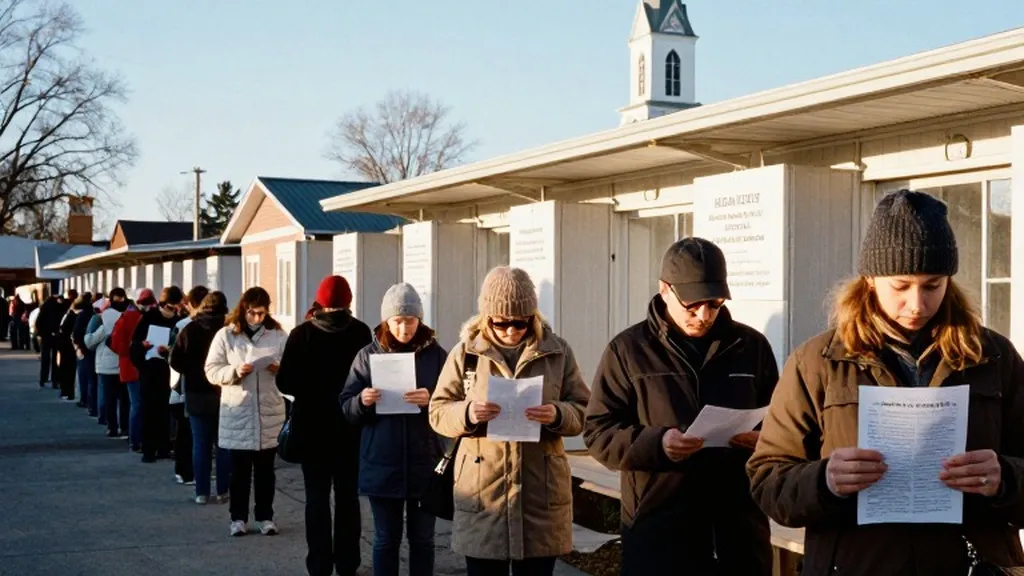
In Houston, the redistricting battle centered on the Mount Hebron Missionary Baptist Church in the Sunnyside neighborhood. For two decades, the church’s Black voters helped elect Democrat Al Green to the ninth congressional district. Following an appeal by President Donald Trump, the Texas state legislature redrew the map last year. This move placed the church into the Black-majority 18th district, forcing Green to run in a primary against incumbent Christian Menefee. Green lost, leaving Houston without one of its Black representatives in Congress.
Pastor Max Miller, who has served at Mount Hebron for 18 years, described the process as an attempt to manipulate voting power. "They are trying to manipulate and monopolise the vote and minimise the people who are in those districts," Miller said. Alice Jefferson, a 97-year-old congregant, noted that Green provided good advice to the people. Janice Ray, a 61-year-old home health aide, called the redistricting a bunch of BS, arguing there was no reason for the change.
The shift in representation has raised concerns among political scientists. Michael Adams, a professor at Texas Southern University, explained that descriptive representation allows minorities to feel their voice is heard when they elect someone who reflects their values. Adams stated that without an additional Black member of Congress representing Houston, a segment of Black voters may feel their voices have been weakened. The change follows a Supreme Court ruling in April that requires challengers to prove racist intent to invalidate a map, a high bar that critics say allows for racial gerrymandering.
State Representative Todd Hunter, a Republican, defended the Texas map as based on political considerations and population growth rather than racial factors. He noted that the newly drawn districts now trend Republican. The plan targeted at least five seats in Texas, with the ninth district drawn to favor Republicans based on recent Latino voting trends. However, Trump’s popularity has declined among Latino voters due to economic unrest and the administration’s deportation campaign.
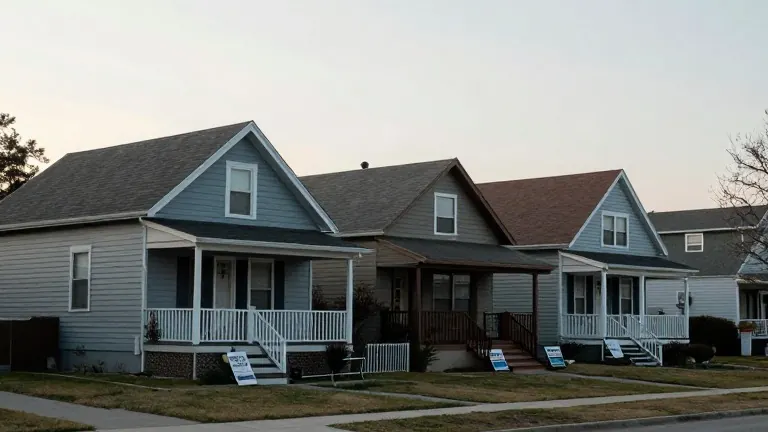
Democratic candidate Leticia Gutierrez and State Senator Molly Cook campaigned in eastern Houston neighborhoods on November 2. Gutierrez pointed to an average annual income of $63,000 in the community, framing the race as an affordability crisis rather than a left-right divide. She noted that residents appreciated the direct contact from candidates. Christian Garcia, a 53-year-old chemical plant worker, said he is focused on saving for retirement and had not voted since moving to Texas from Puerto Rico in 2014. Esmeralda Gil, a 39-year-old teacher, emphasized the need for affordable healthcare and housing.
Brandon Rottinghaus, a professor at the University of Houston, observed that redistricting changes boundaries but does not guarantee voter behavior. The 35 million voters in these new districts will determine whether political dissatisfaction can overcome aggressively partisan maps. The outcome will depend on turnout in areas like the ninth district, where a large population of low-propensity Latino voters creates a pathway for a Democratic victory if mobilized effectively.